
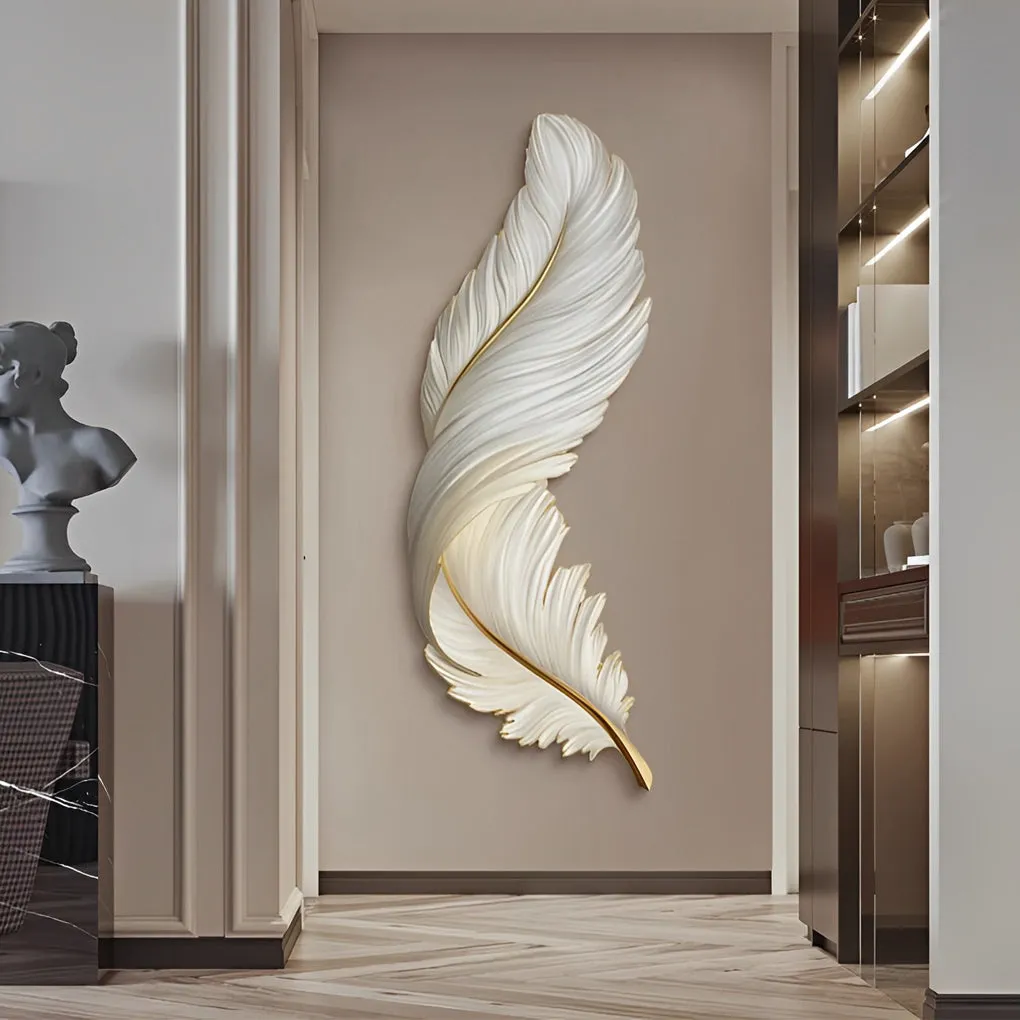
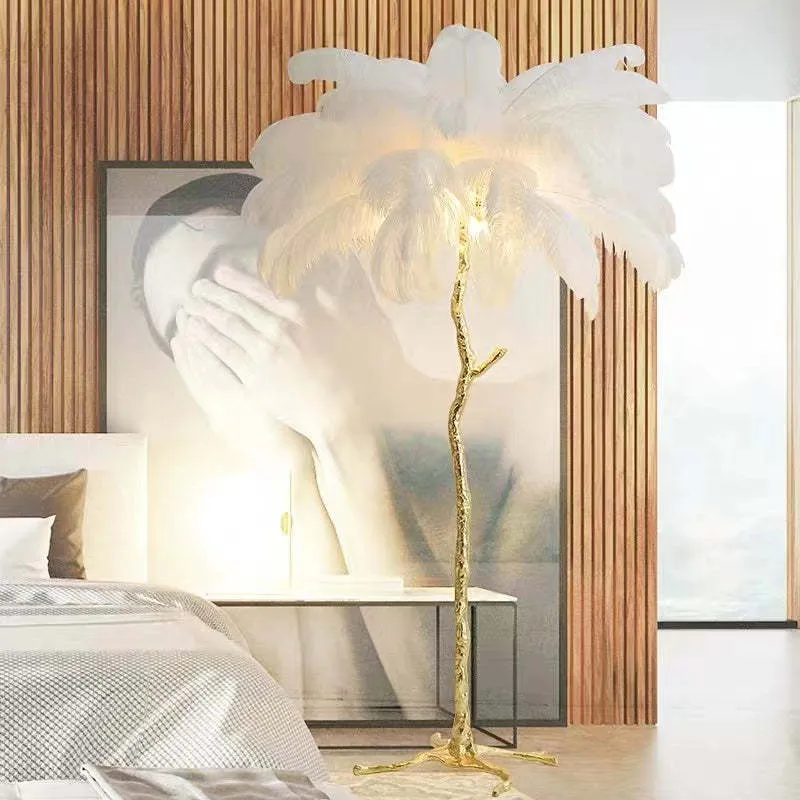

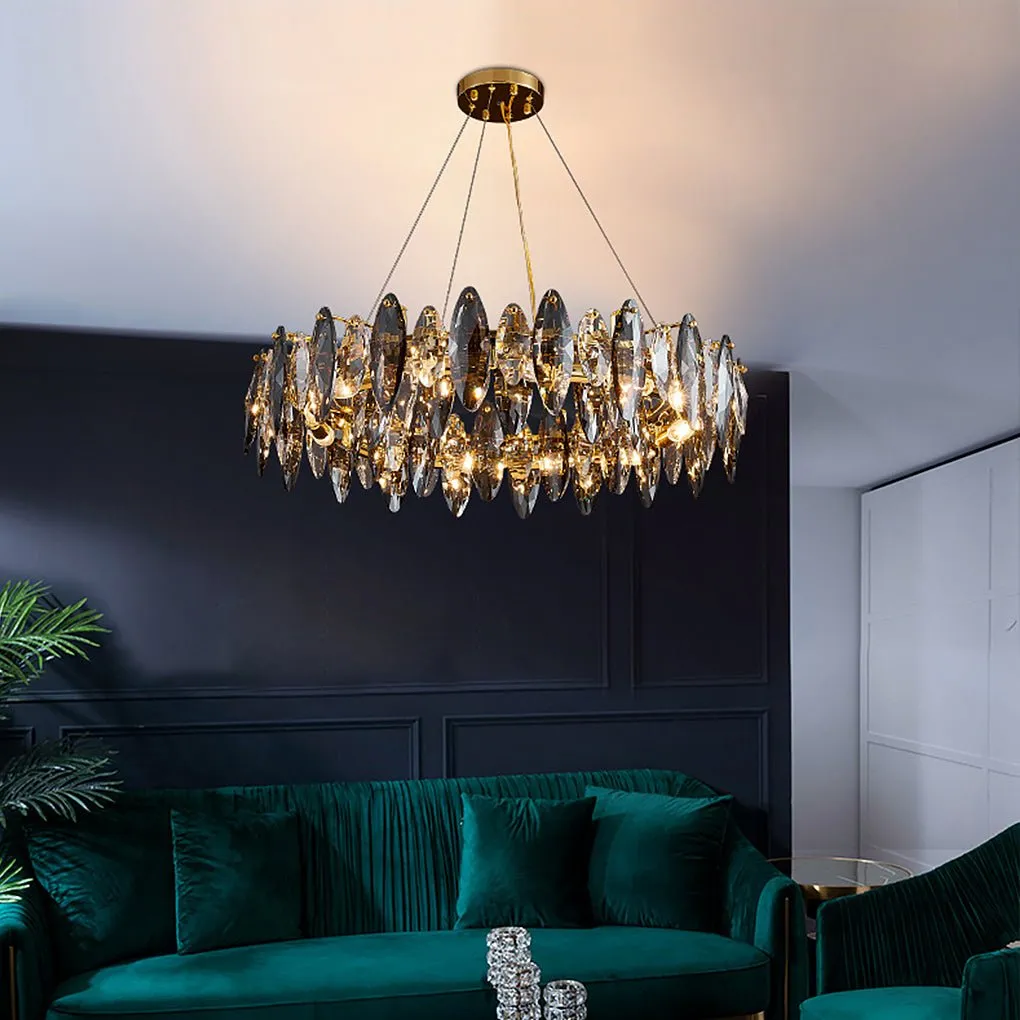
The right dining room light does three jobs at once: it makes food look good, it sets the mood, and it fixes the proportions of the whole room. Get the size and height wrong — the most common mistake — and even a beautiful fixture looks like an afterthought. This guide gives you the exact sizing math, a fixture-by-table-shape cheat sheet, and 14 styled ideas you can copy.
The short answer: size your fixture to about half to two-thirds the width of your dining table, hang it 30 to 36 inches above the tabletop, and put it on a dimmer. Everything else is styling.
The three layers every dining room needs
Professional lighting is never one fixture. A dining room that feels finished layers three kinds of light, and the chandelier is only the first.
| Layer | What it does | Typical fixture |
|---|---|---|
| Ambient (the statement) | Fills the room with soft, even light and anchors the table | Chandelier, linear suspension, or pendant cluster over the table |
| Task | Brightens the table surface so food and faces read well | The same fixture on a dimmer, plus a downlight or two in a large room |
| Accent (the mood) | Adds warmth and depth at the edges so the room isn't flat | Wall sconces, a buffet lamp, or picture lights |
The one upgrade that matters most: put your main fixture on a dimmer. A dining room needs bright light for setting the table and low, candle-like light for dinner — a dimmer is the single cheapest thing that makes a room feel expensive.
How to size and hang your fixture
There are only two numbers you actually need, and most people get both wrong.
1. Diameter — size to the table, not the room
Over a dining table, ignore the room-size formulas you'll see elsewhere. Your fixture should be about one-half to two-thirds the width of the table. Any wider and people bump their heads leaning in; any narrower and it looks lost.
| Table width | Ideal fixture diameter | Also works |
|---|---|---|
| 36 in | 18–24 in | A tight pendant pair |
| 42 in | 21–28 in | Single statement chandelier |
| 48 in | 24–32 in | Drum or round chandelier |
| 60 in (long rectangle) | 30–40 in, or a linear run | Linear suspension / 2–3 pendants |
| 72 in+ (long rectangle) | Linear fixture 36–48 in, or 3 pendants | Never one round fixture — it won't fill it |
Need the exact number for your table? Our free furniture & lighting size calculator does the math for chandeliers, tables, and rugs in one place. For the fixture itself, see our chandelier size guide with charts and formulas.
2. Height — hang it lower than you think
The bottom of the fixture should sit 30 to 36 inches above the tabletop (not the floor). That's low enough to feel intimate and light the table, high enough to see across. Add about 3 inches of height for every foot of ceiling above the standard 8 feet.
Quick check: sit down at the table. The bottom of the fixture should be just above eye level — you should see the table lit, not the bulbs glaring back at you.
The best fixture for your table shape
| Table shape | Best fixture type | Why |
|---|---|---|
| Round / square | Round chandelier or drum pendant | Echoes the table's footprint; centered and symmetrical |
| Short rectangle (up to ~54 in) | Single chandelier | One fixture still fills the surface |
| Long rectangle (60 in+) | Linear suspension or 2–3 matching pendants | A single round fixture leaves the ends dark — spread the light |
| Oval | Linear or oval fixture | Follows the long axis of the table |
| Low ceiling (under 8 ft) | Semi-flush or low-profile fixture | Keeps the 30–36 in clearance without crowding the room |
14 dining room lighting ideas
- One oversized statement chandelier. Over a round or square table, a single sculptural fixture one-half to two-thirds the table width does all the work. Crystal or a modern orb reads as jewelry for the room.
- A linear suspension over a long table. The single best fix for rectangular tables — a horizontal bar of light that lights the whole surface evenly. Look for 4–6 lights across a 36–48 in run.
- A row of pendants. Two or three matching pendants, evenly spaced, is a more casual, more flexible alternative to a linear fixture — and easier to center.
- Chandelier plus wall sconces. Add a pair of sconces on the wall behind a buffet or on either side of a mirror. Instant depth and a hospitality-suite feel.
- Drum shade for softer light. A fabric drum diffuses the light and hides the bulbs — great for open-plan rooms where you see the fixture from the sofa.
- Two small chandeliers instead of one. On a very long table (84 in+), twin fixtures look more intentional than one giant one and balance the ceiling.
- Layer in a buffet lamp. A single lamp on the sideboard adds a warm, low glow for evenings and doubles as a nightlight in open-plan spaces.
- Black or bronze fixture in a light room. A dark fixture against a white ceiling is the easiest way to add contrast and make the light feel architectural.
- Rattan or woven pendant for warmth. Natural materials cast a textured shadow and soften a room full of hard surfaces — perfect for coastal, farmhouse, or Japandi rooms.
- Candle-style chandelier for traditional rooms. Exposed "candle" arms with warm bulbs on a deep dimmer read formal and classic.
- A modern sputnik or globe cluster. For mid-century and contemporary rooms — bare warm bulbs on a brass or matte-black frame.
- Recessed downlights plus a low chandelier. In a big room, four recessed lights on a separate switch handle brightness so the chandelier can stay dim and moody.
- Smart bulbs for one-room-many-moods. Tunable-white smart bulbs shift from bright 3000K for homework to warm 2400K for dinner without changing the fixture.
- Picture light on a dining-room gallery wall. A small accent light on art or a display shelf turns a blank dining wall into a focal point.
Ready to shop? Browse our crystal & modern chandeliers and pendant lights for the dining room.
Bulbs, dimmers & color temperature
| Setting | Recommendation | Why |
|---|---|---|
| Color temperature | 2700K warm white (2400K for a candlelit feel) | Warm light flatters food and skin; cool white looks clinical over a table |
| Brightness | ~30–40 lumens per sq ft of table zone, dimmable | Enough to set the table, dimmable down for dinner |
| CRI (color accuracy) | 90+ CRI | Makes food and wine look their real color |
| Dimmer | Non-negotiable | The difference between a bright utility room and a restaurant |
New to color temperature? Our LED color temperature guide explains which Kelvin to use in each room.
Five mistakes to avoid
- Sizing to the room instead of the table. Over a dining table, table width is the only number that matters.
- Hanging it too high. 30 to 36 inches above the table, every time — high fixtures look disconnected and light nothing.
- One round fixture over a long table. The ends stay dark. Use a linear fixture or a row of pendants instead.
- No dimmer. A single brightness makes even a great fixture feel like an office light.
- Cool-white bulbs. Anything over 3000K makes food look grey. Stay at 2700K.
Dining room lighting FAQ
How big should a dining room chandelier be?
Size it to your table, not your room: aim for a diameter about one-half to two-thirds the width of the table. For a 48-inch-wide table that's roughly a 24 to 32 inch fixture. For long rectangular tables (60 in+), use a linear fixture or a row of pendants instead of one round chandelier.
How high should I hang a dining room light?
The bottom of the fixture should sit 30 to 36 inches above the tabletop. Add about 3 inches for every foot your ceiling rises above 8 feet.
What color temperature is best for a dining room?
2700K warm white is the standard; drop to 2400K for a candlelit feel. Avoid anything over 3000K — cool light makes food and skin look grey. Choose bulbs rated 90+ CRI for accurate color.
Do I need more than one light in a dining room?
Ideally yes. The chandelier is your ambient and task light, but adding accent lighting — wall sconces, a buffet lamp, or recessed downlights on a separate dimmer — is what makes the room feel layered and finished rather than flat.
What lighting works over a long rectangular table?
A linear suspension (a horizontal bar of light) or two to three matching pendants spaced evenly. A single round chandelier leaves the ends of a long table in shadow.
Should dining room lighting match the rest of the house?
It should coordinate, not match exactly. Repeat one element — the metal finish, the bulb color, or the general style — so it feels connected, but the dining fixture can be the bolder statement piece.
Want the whole room to work together? See our living room lighting ideas for layering light in the connected spaces, and use the size calculator for exact fixture, table, and rug dimensions.