






Two bulbs can have the same brightness and still make a room feel completely different — one cozy, one clinical. The difference is color temperature, measured in Kelvin (K). Pick the wrong number and a living room feels like a hospital, or a bathroom mirror makes everyone look tired. This guide explains Kelvin in plain language and gives you a chart for every room.
The short answer: use warm light (2700K–3000K) in living spaces and bedrooms, and neutral white (3500K–4000K) in kitchens, bathrooms, and work areas. Cooler than that is rarely needed at home.
What Kelvin actually means
Color temperature describes how warm or cool a light looks, not how bright it is. Lower numbers are warmer and more yellow; higher numbers are cooler and more blue.
| Kelvin | Appearance | Feel |
|---|---|---|
| 2700K | Warm, soft yellow | Cozy, like a traditional bulb |
| 3000K | Warm white | Warm but slightly crisper |
| 3500–4000K | Neutral white | Clean and alert, not cold |
| 5000–6500K | Daylight, blue-white | Cool and bright, can feel harsh |
The right temperature for each room
| Room | Best Kelvin | Why |
|---|---|---|
| Living room | 2700K | You relax here; warm light is inviting |
| Bedroom | 2700K | Warm light supports winding down |
| Kitchen | 3000–4000K | See clearly while cooking, still comfortable |
| Bathroom / vanity | 3500–4000K | Neutral white renders skin tones accurately |
| Home office | 4000K | Keeps you alert, reduces eye strain |
| Dining room | 2700K | Warm light flatters food and faces |
In practice that means warm bulbs in your ceiling lights, table lamps, and bedside sconces; neutral bulbs in kitchen lighting and vanity lighting.
Keep it consistent
The most common mistake is mixing temperatures in the same room. One warm bulb beside one cool bulb looks like a fault, not a choice. Pick a single number per room and use it across every fixture there — including any pendant lights. If you want flexibility, look for dimmable or tunable bulbs that shift from warm to cool.
Don’t confuse warmth with brightness
Color temperature sets the mood; lumens set the brightness. They are independent — a warm bulb can be just as bright as a cool one. Use this as a rough brightness guide per room.
| Room | Rough lumens needed |
|---|---|
| Living room | 1,500–3,000 total, layered |
| Kitchen | 4,000–8,000 total (task areas brighter) |
| Bedroom | 1,000–2,000 total, softer |
| Bathroom | 2,000–4,000, even on the face |
One more spec worth knowing: CRI (Color Rendering Index) measures how true colors look. Aim for 90 or above where color matters — kitchens, vanities, and rooms with art.
Frequently asked questions
Is warm or cool light better?
Neither is universally better — it depends on the room. Warm light suits relaxing spaces; neutral and cool light suit task and detail areas.
What is the most popular color temperature for homes?
2700K to 3000K. It mimics the warm glow people associate with a comfortable home.
Will warm light make my room look dim?
No. Brightness comes from lumens, not Kelvin. A warm bulb can be just as bright — it simply looks softer.
Can I use daylight (5000K+) bulbs indoors?
You can, but most people find them harsh in living areas. Save daylight bulbs for garages, workshops, or detailed task lighting.
Choose with confidence
Decide the room’s job first, then pick the Kelvin to match. Browse warm options for living spaces in ceiling lights and neutral options for task areas in kitchen lighting.
Shop these ceiling lights
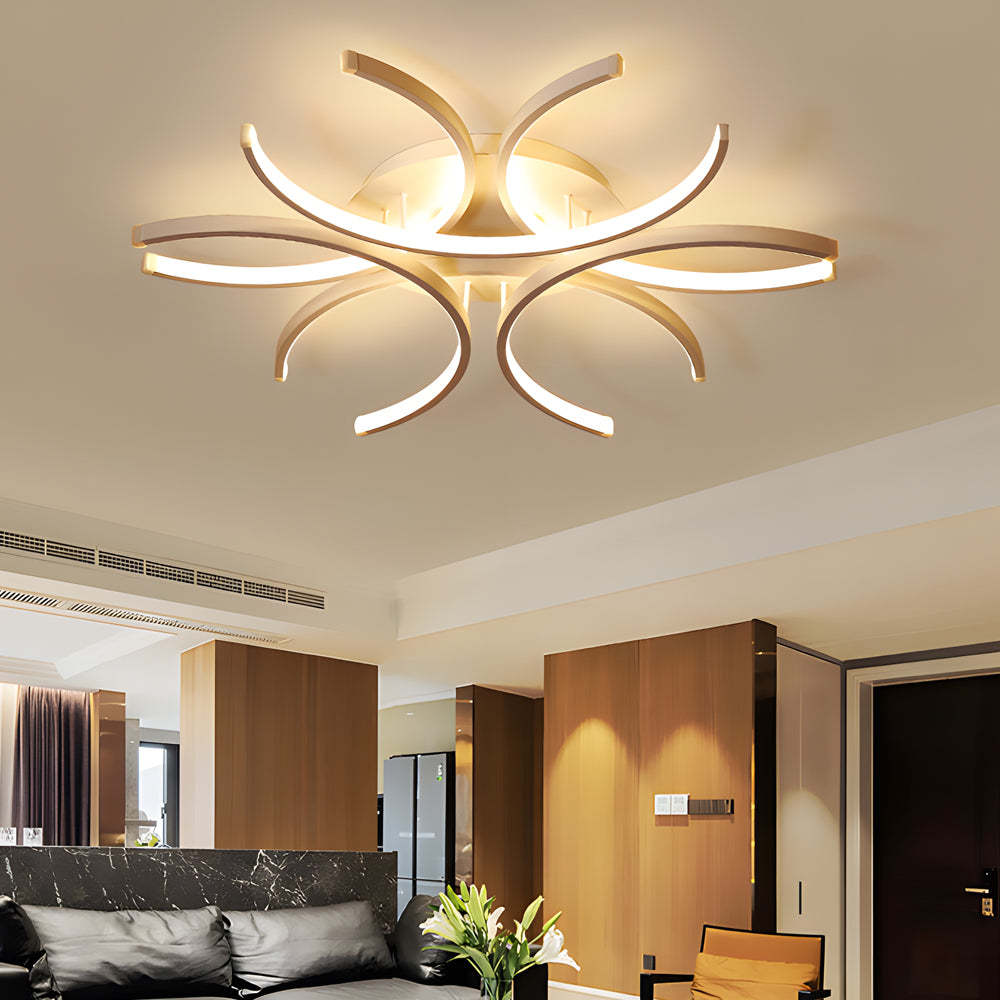 Semi-Circle Flower LED Dimmable Modern Ceiling LightShop now →
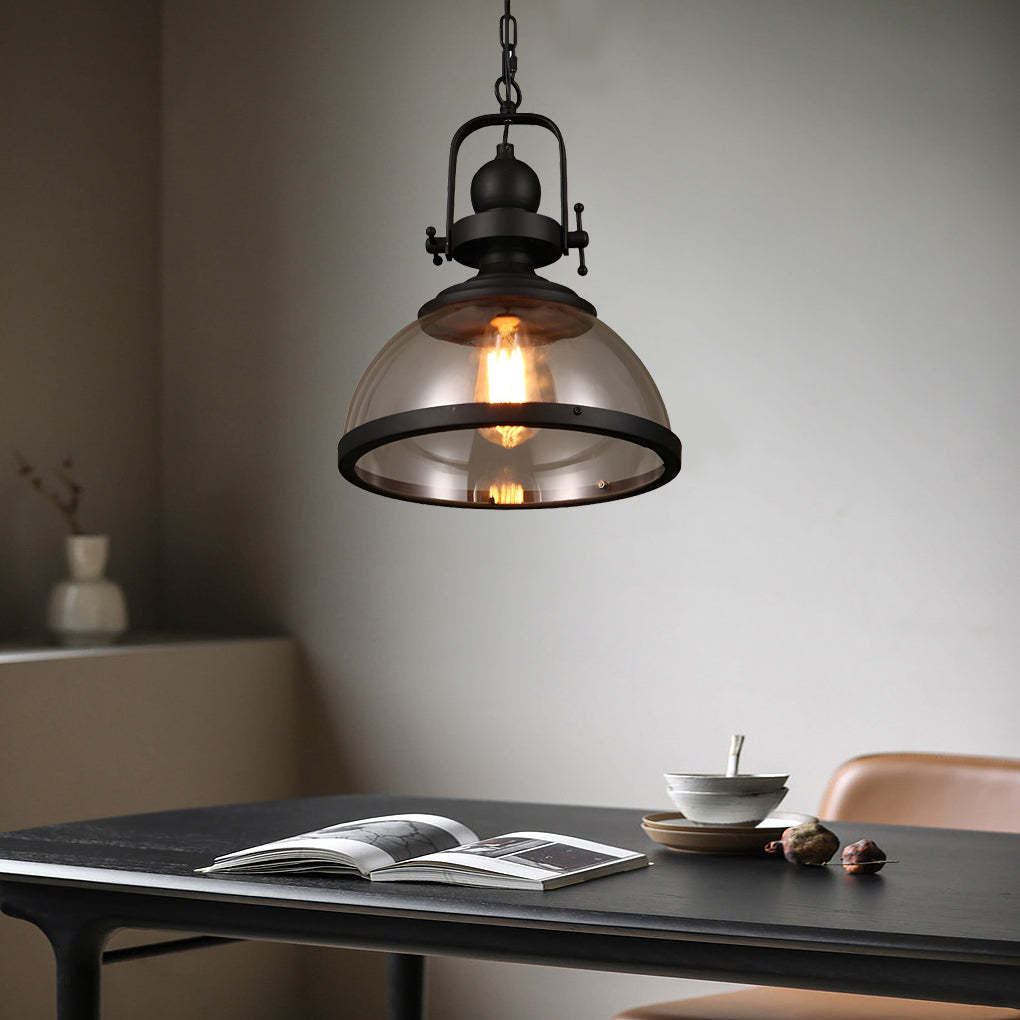 Antique Glass Iron Retro Industrial Dining Pendant LightShop now →
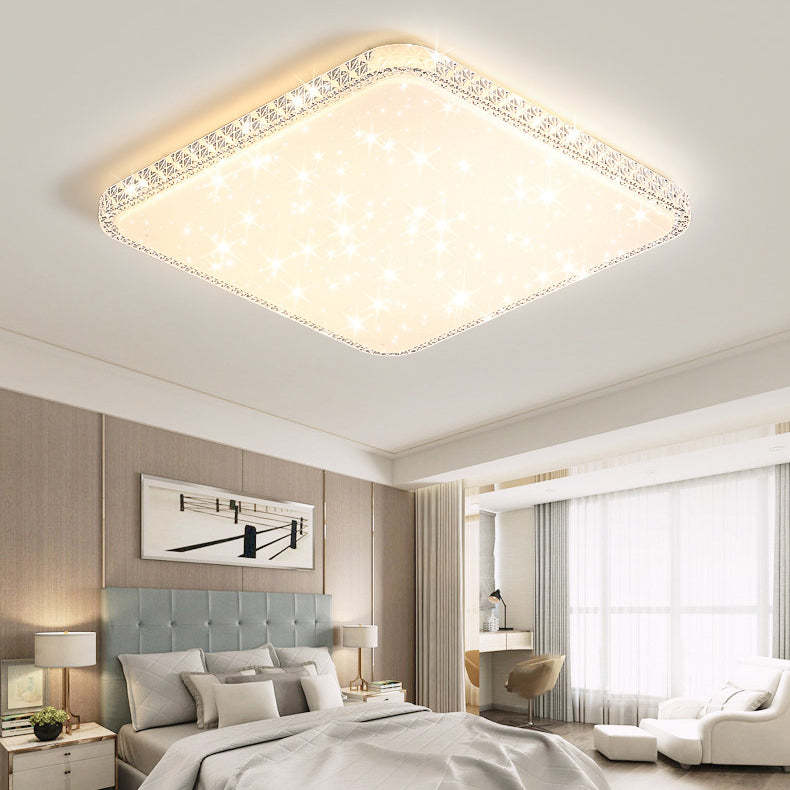 Mounted Star Crystal Acrylic Iron LED Flush Ceiling LightShop now →
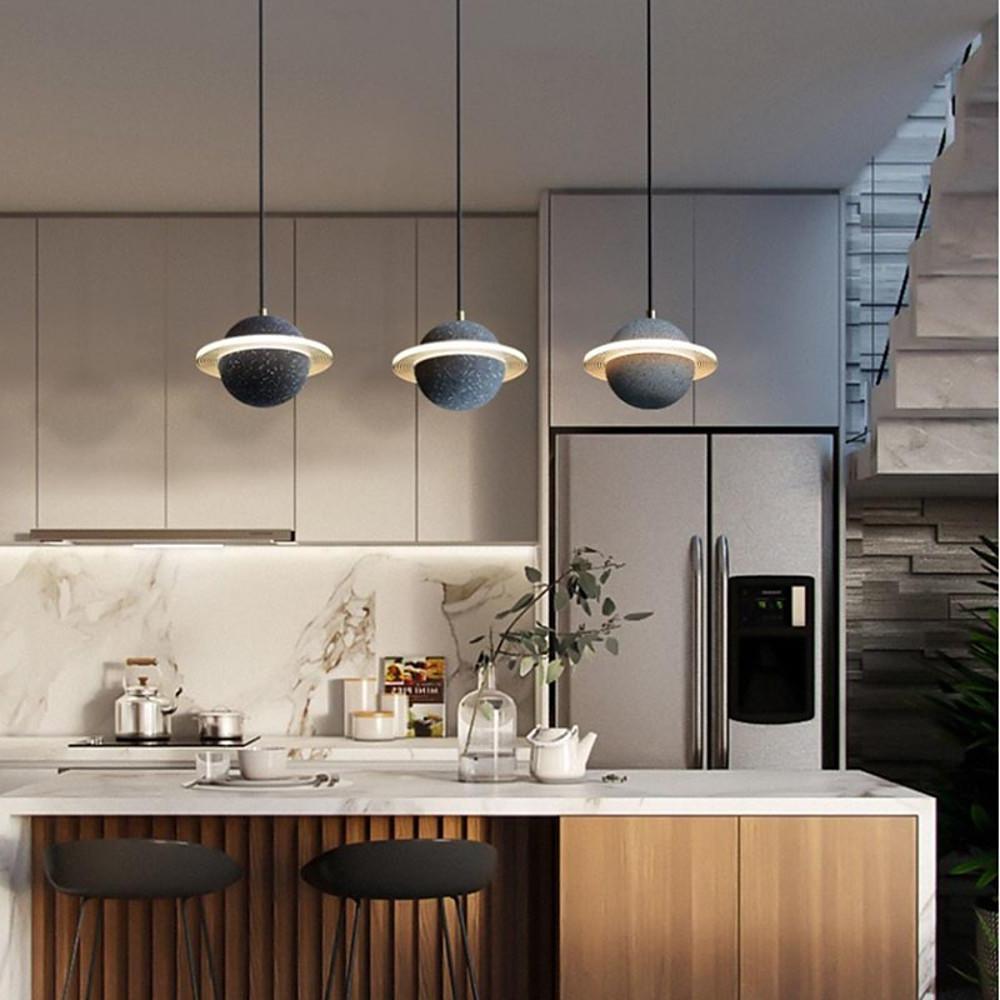 Saturn Acrylic Kitchen Island PendantShop now →
 Nordic Iron Cloud Starry LED ChandelierShop now →