


.jpeg?w=1020&h=1020)

-
-
-
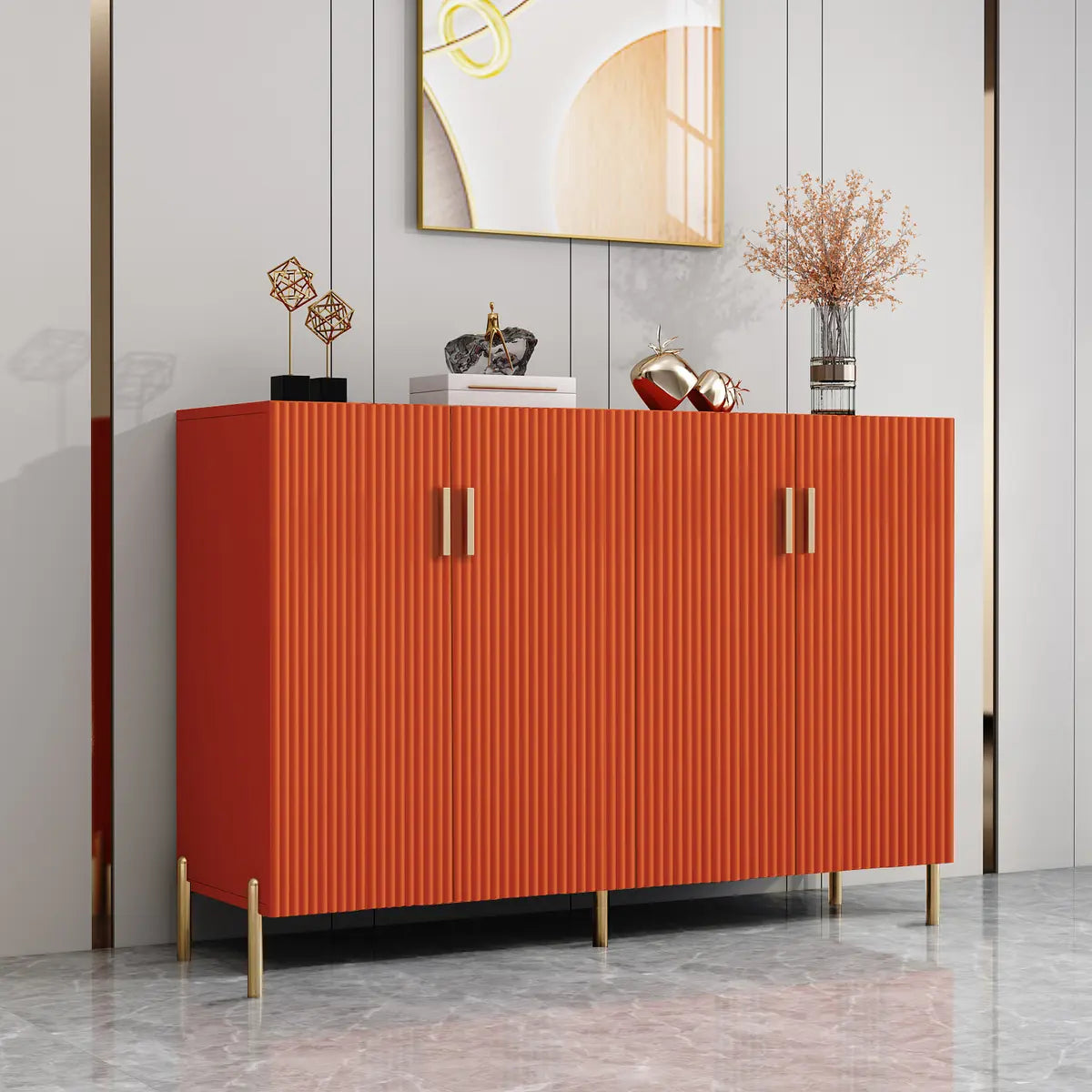
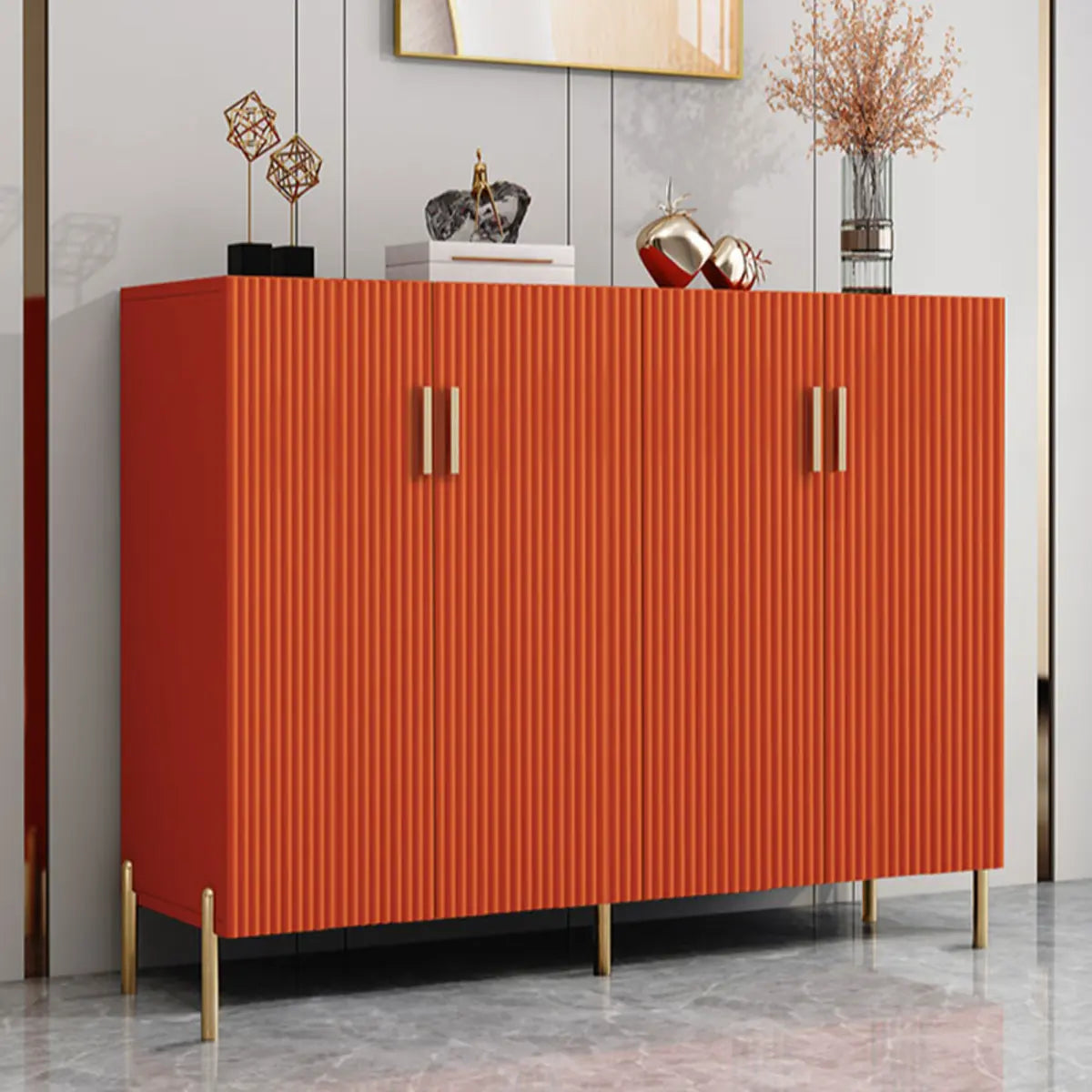
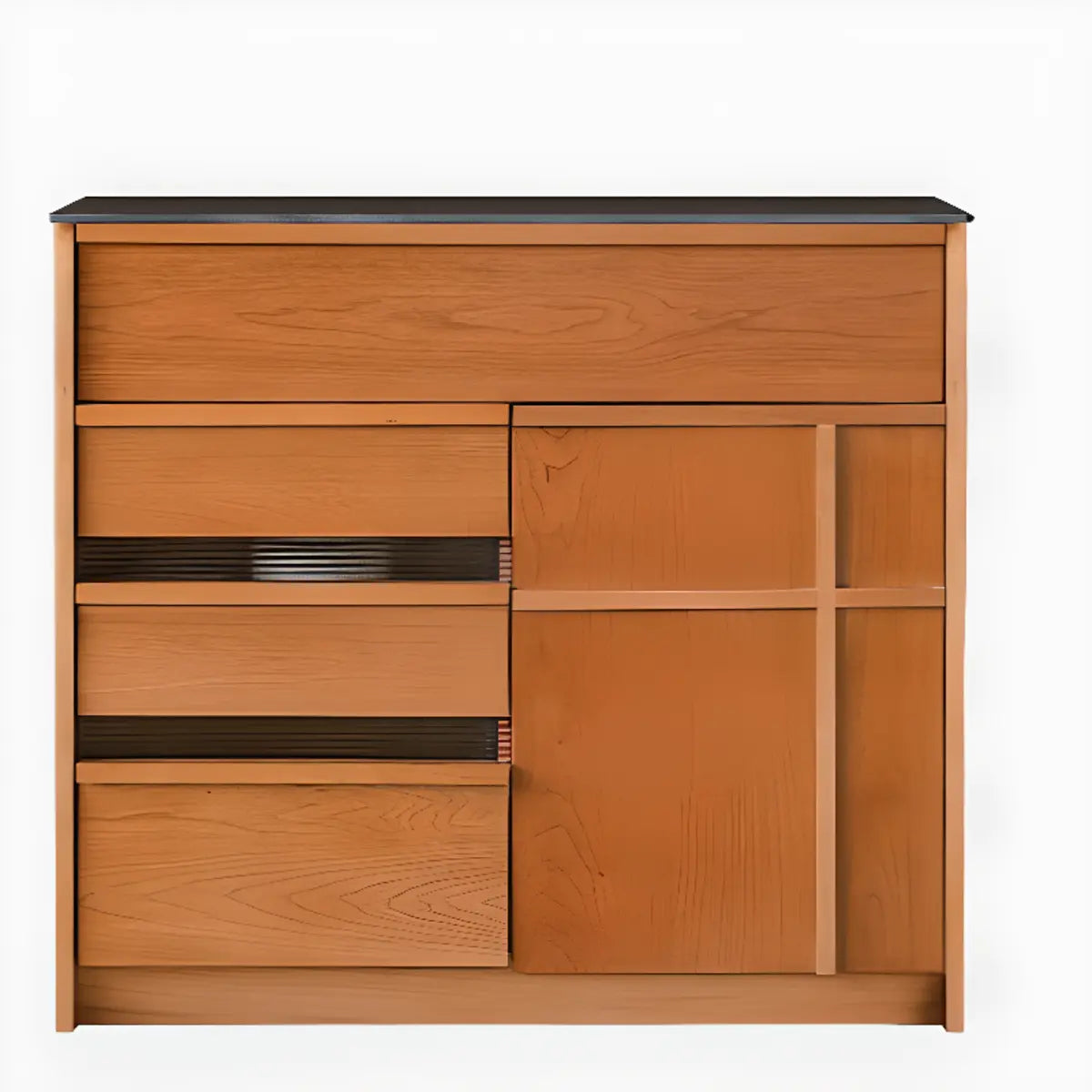
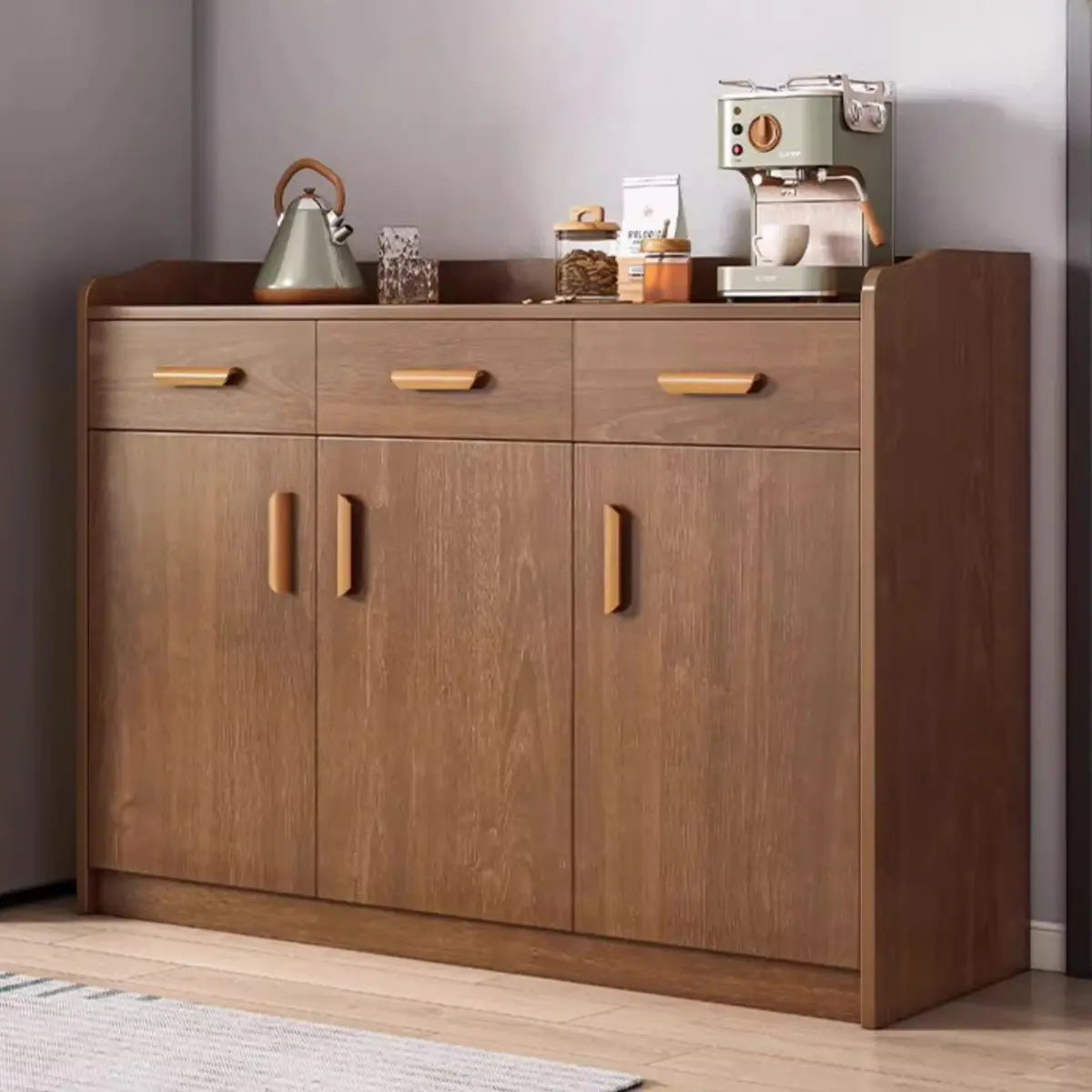
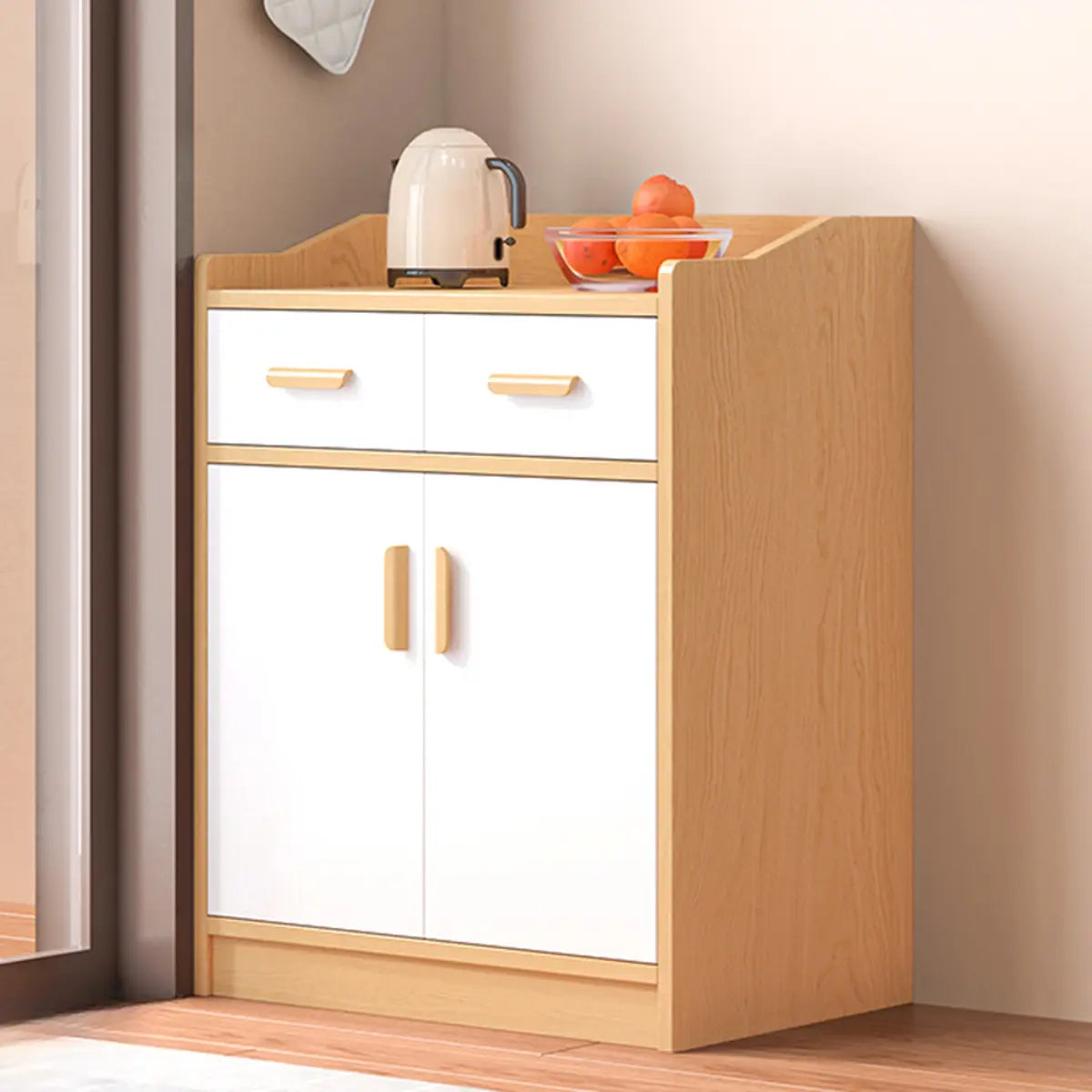
Adjustable Wood Orange Cabinet Large Buffet
 33% OFF
Adjustable Wood Orange Cabinet Large Buffet
$623.95 $924.95 -
-
-
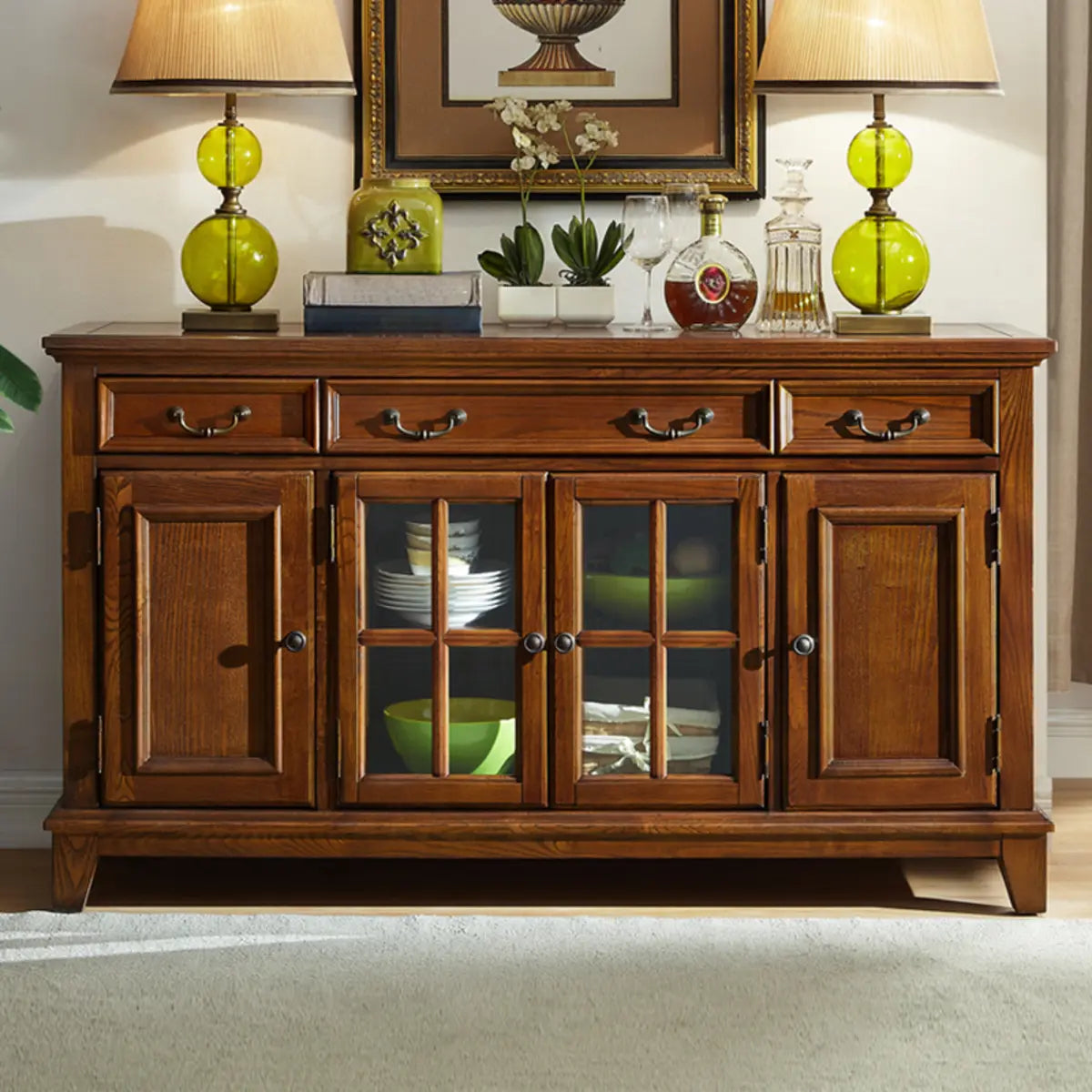
American Vintage Distressed Wood Buffet Sideboard
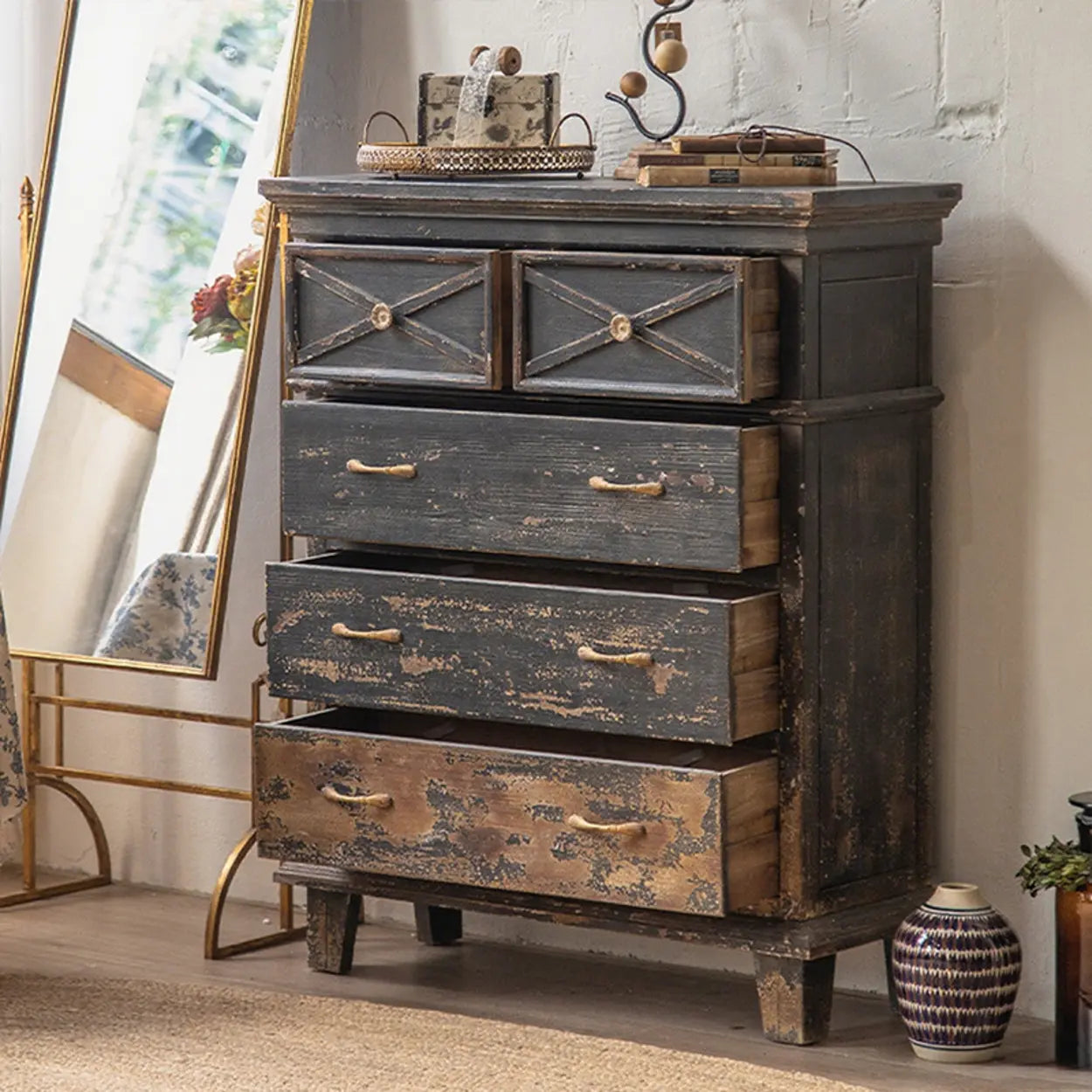
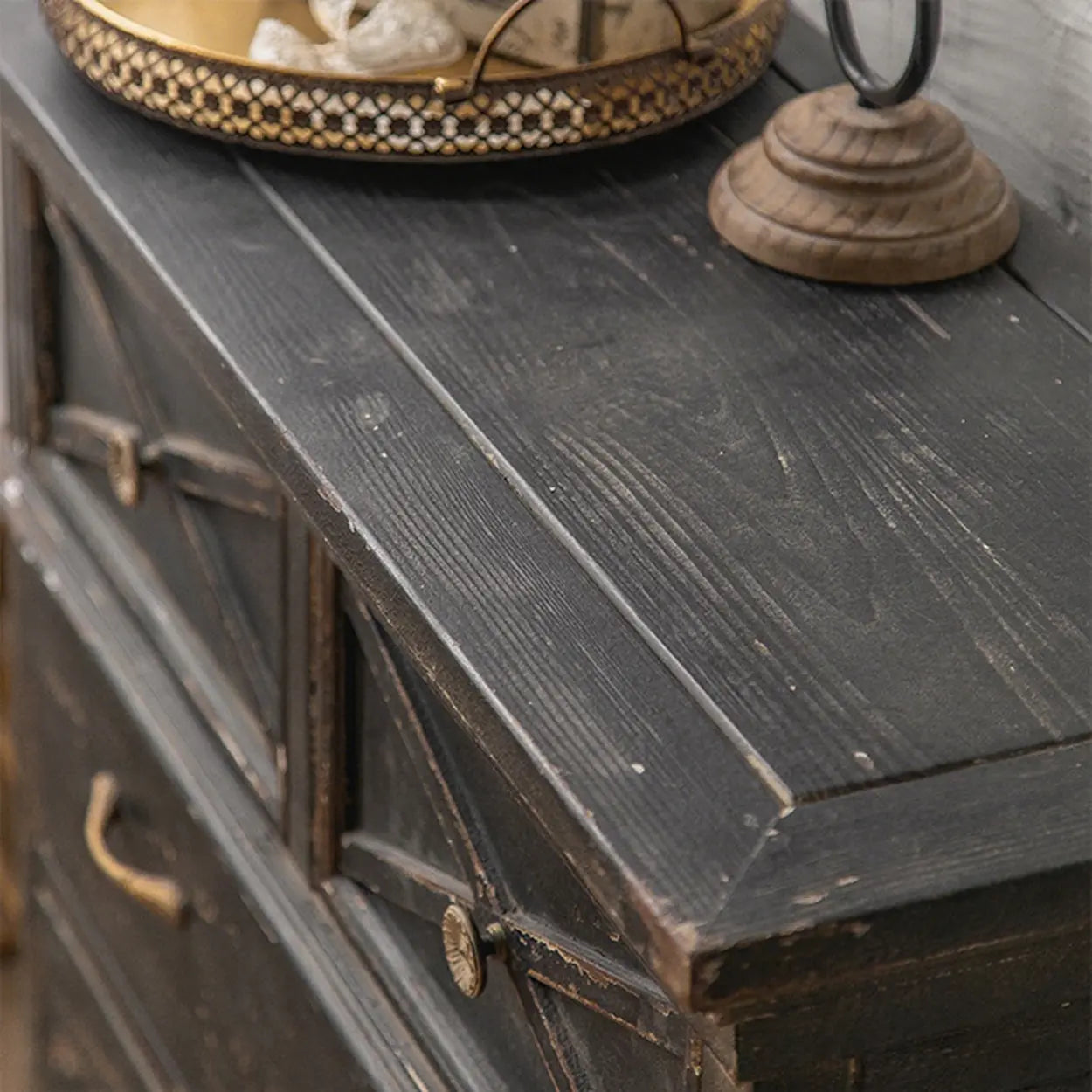
American Vintage Distressed Wood Buffet Sideboard
$1,437.95 -
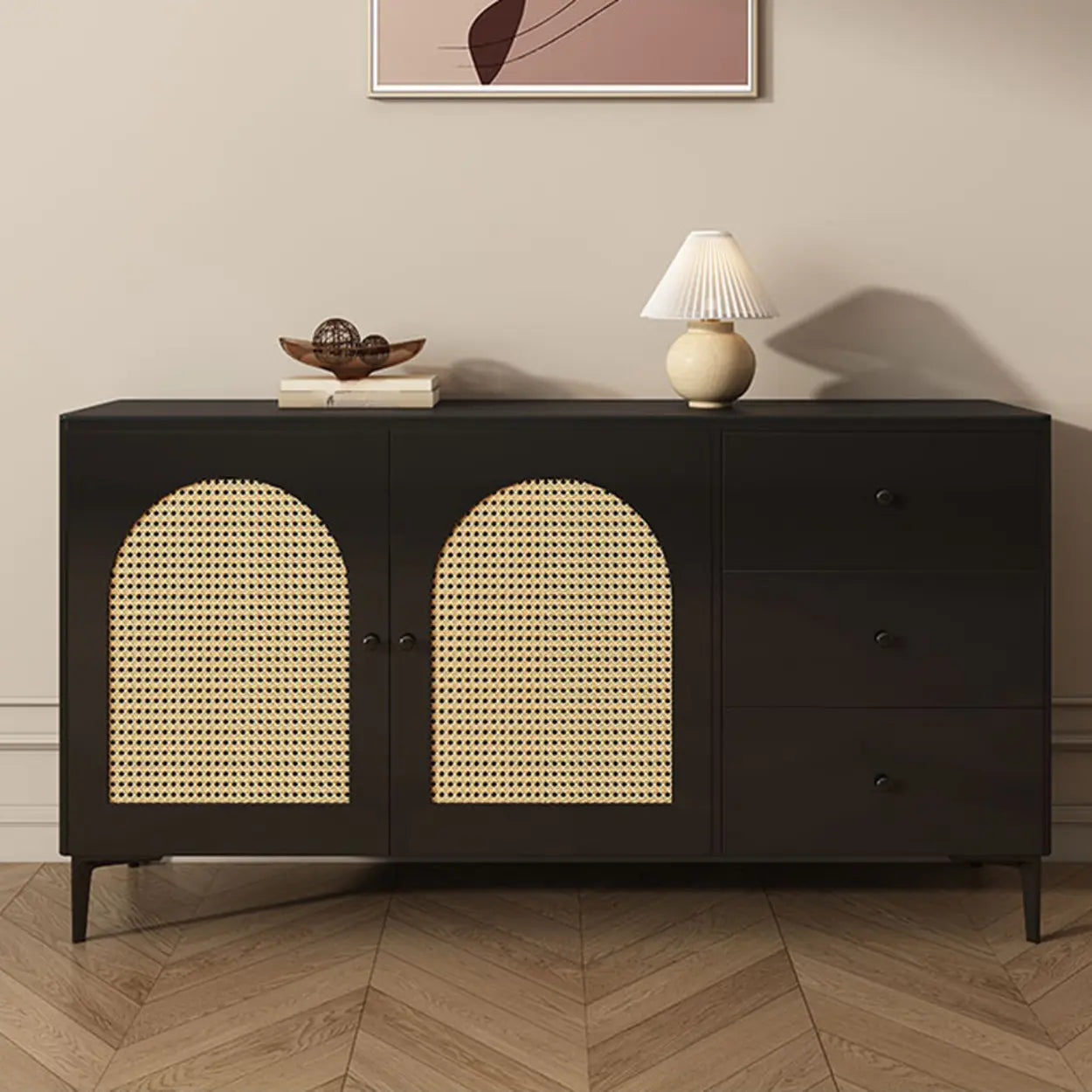
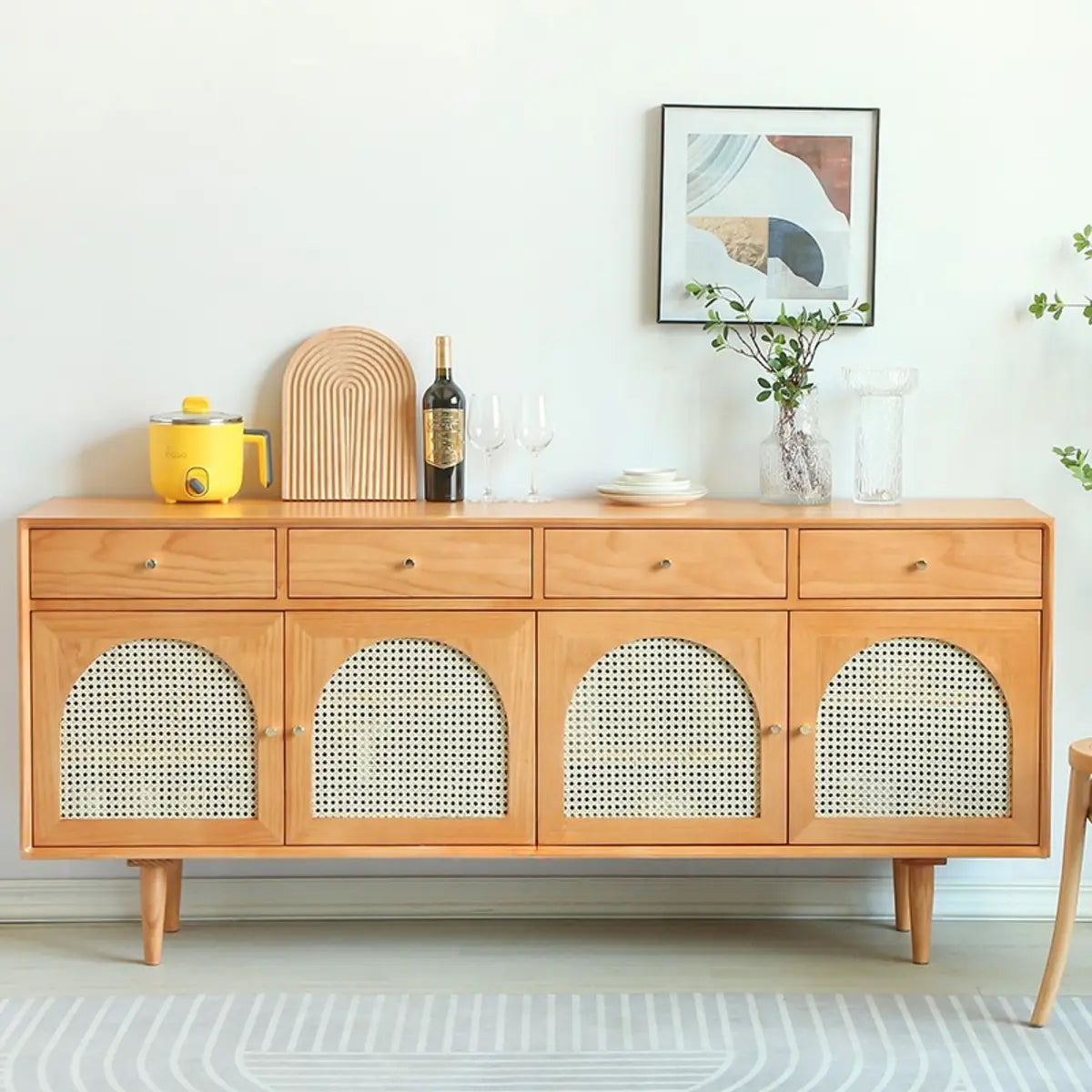
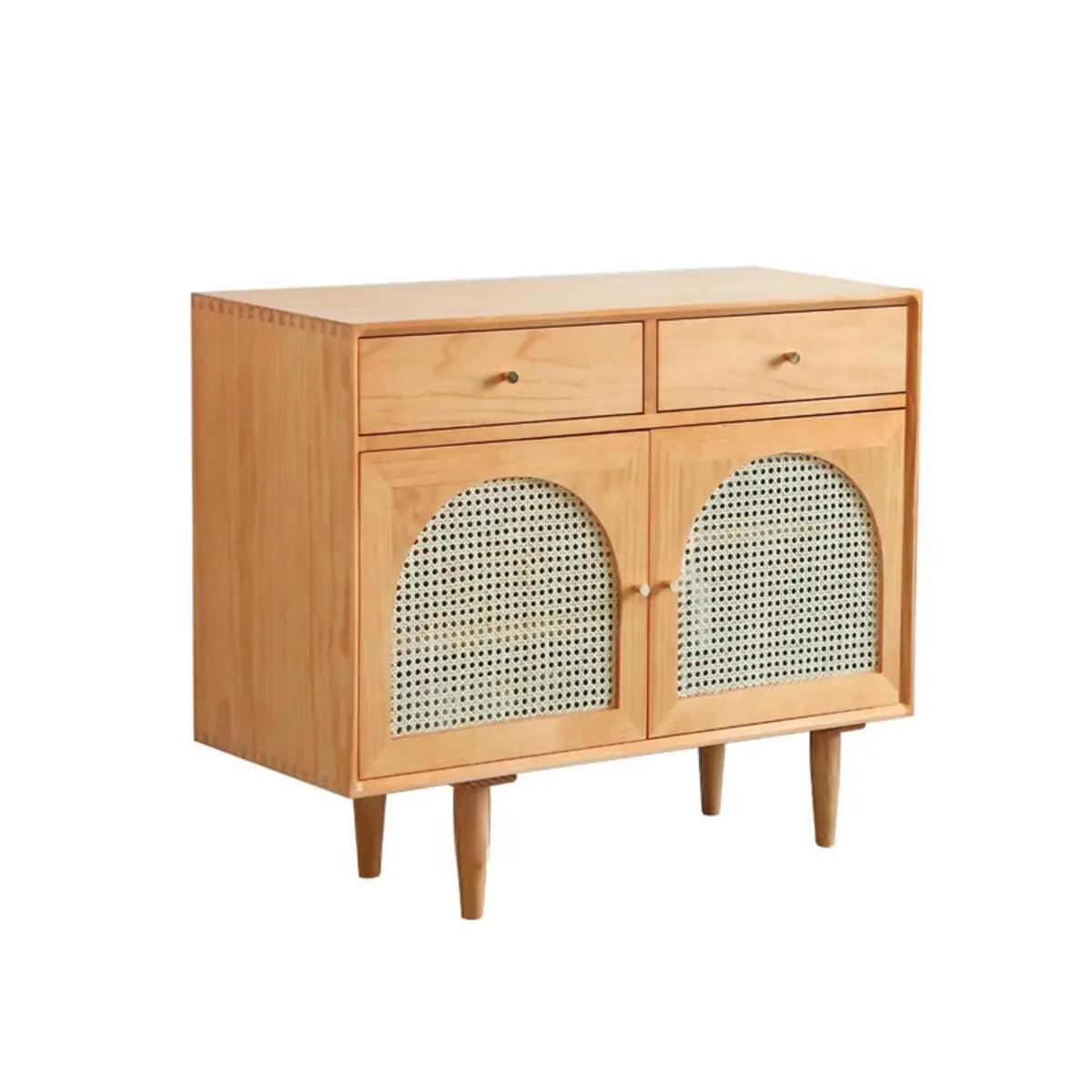
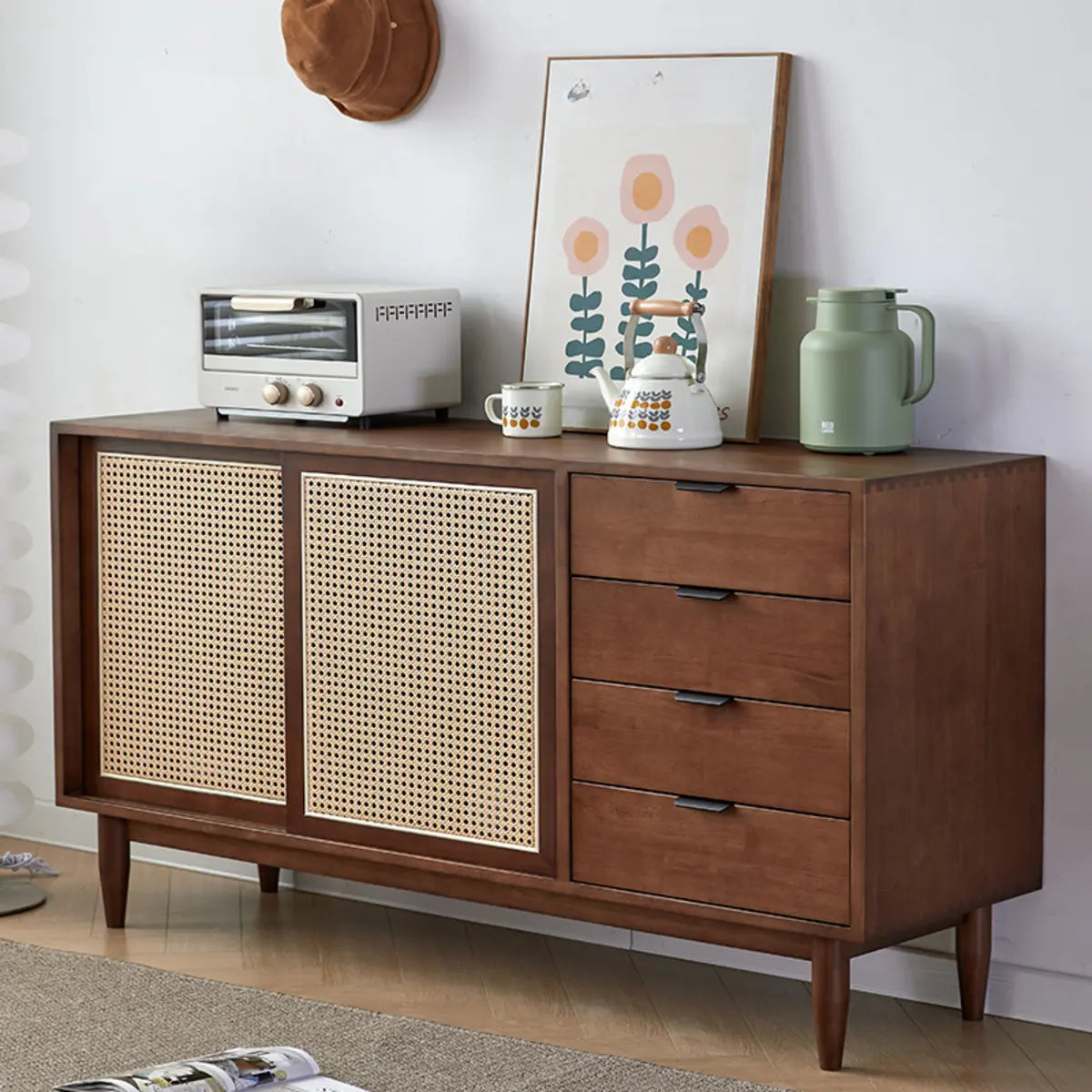
Minimalist Woven Wood Natural Buffet with Shelves
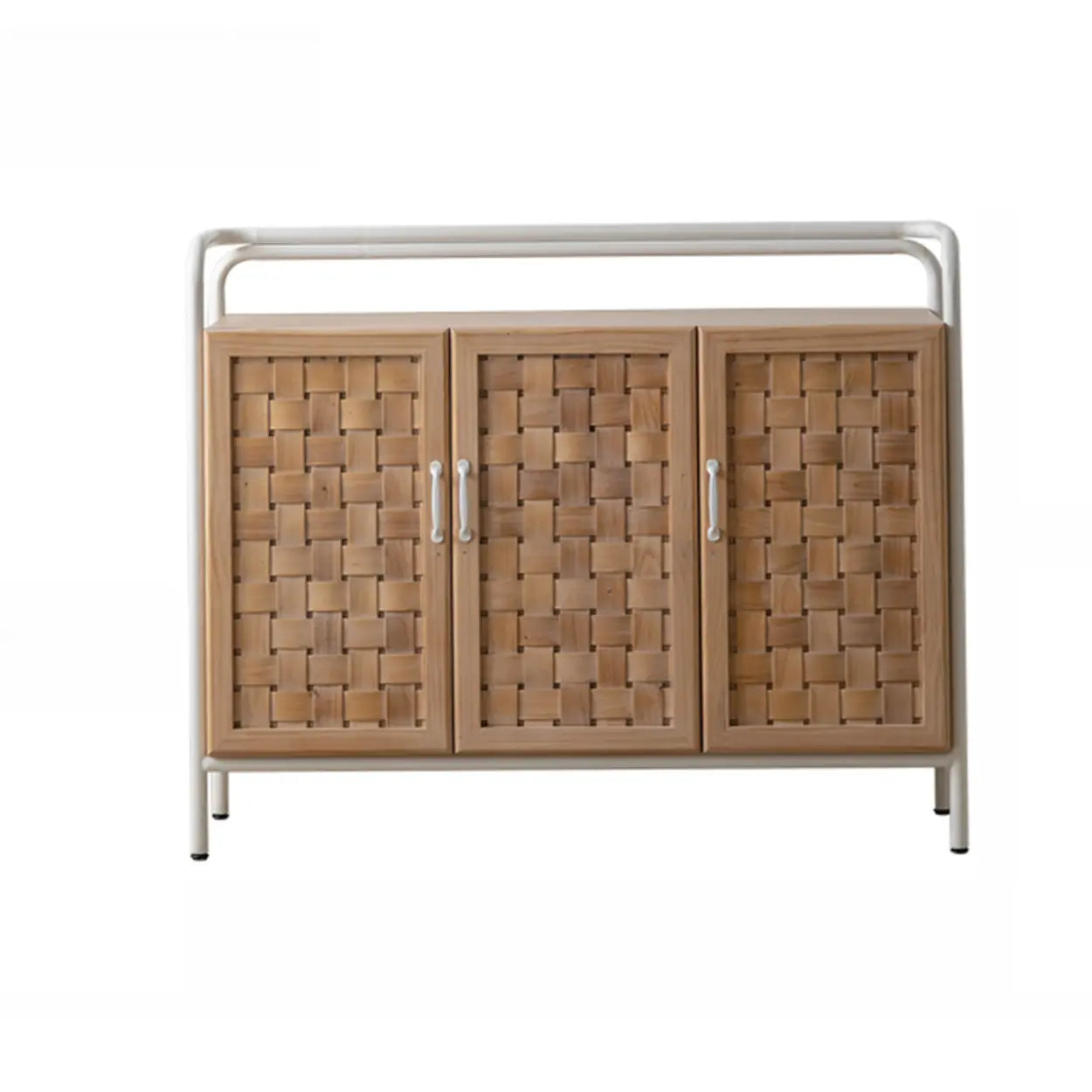
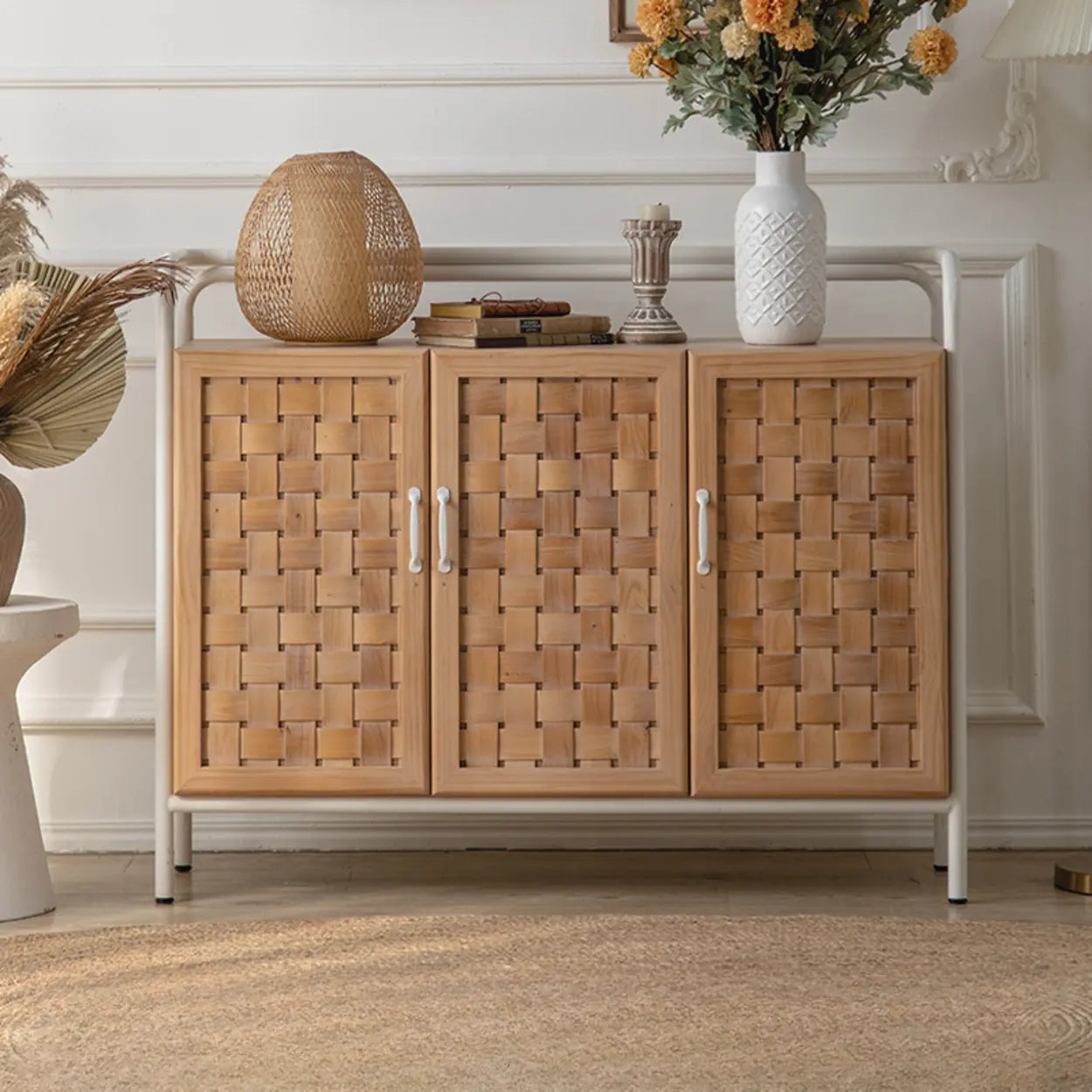
Minimalist Woven Wood Natural Buffet with Shelves
$1,070.95 -
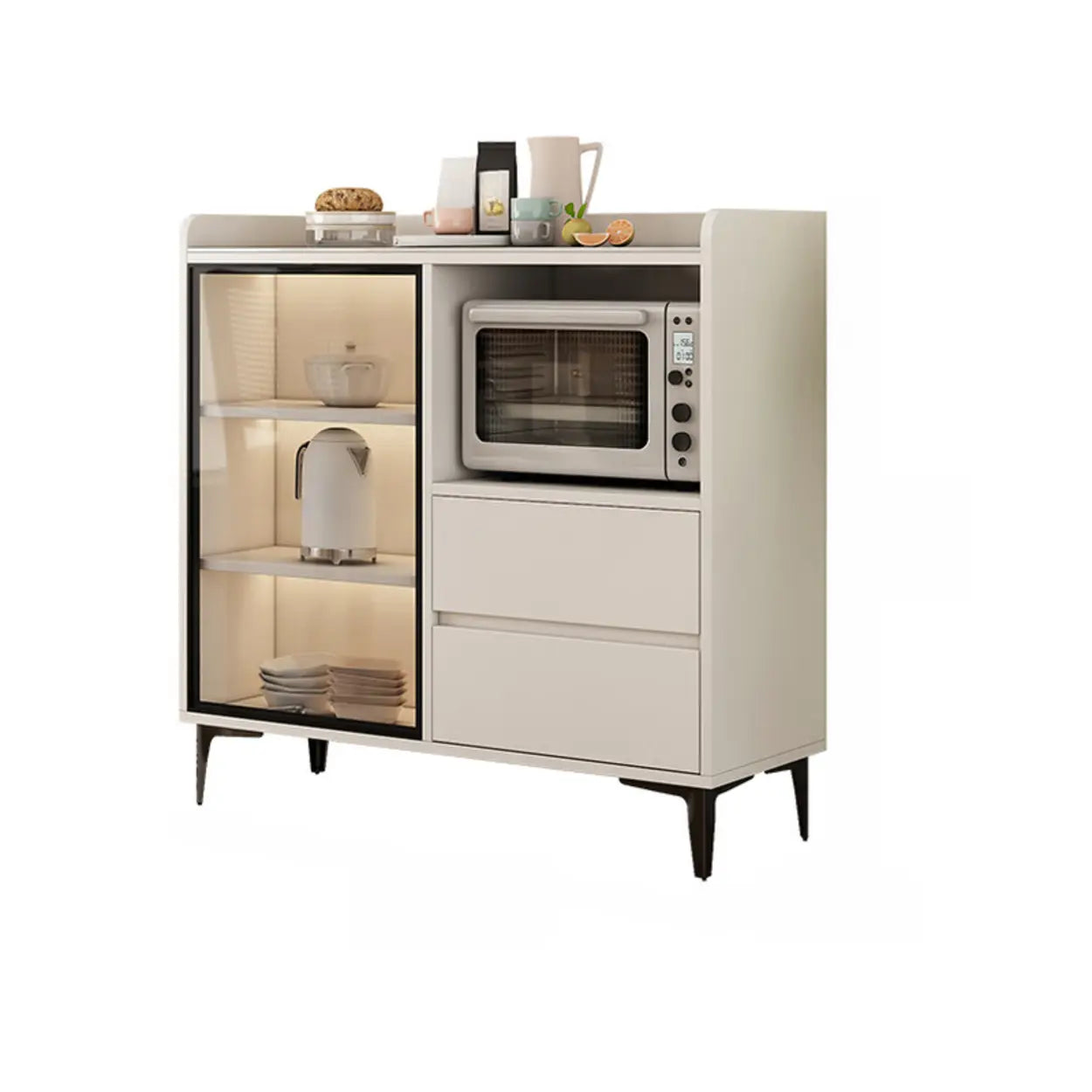
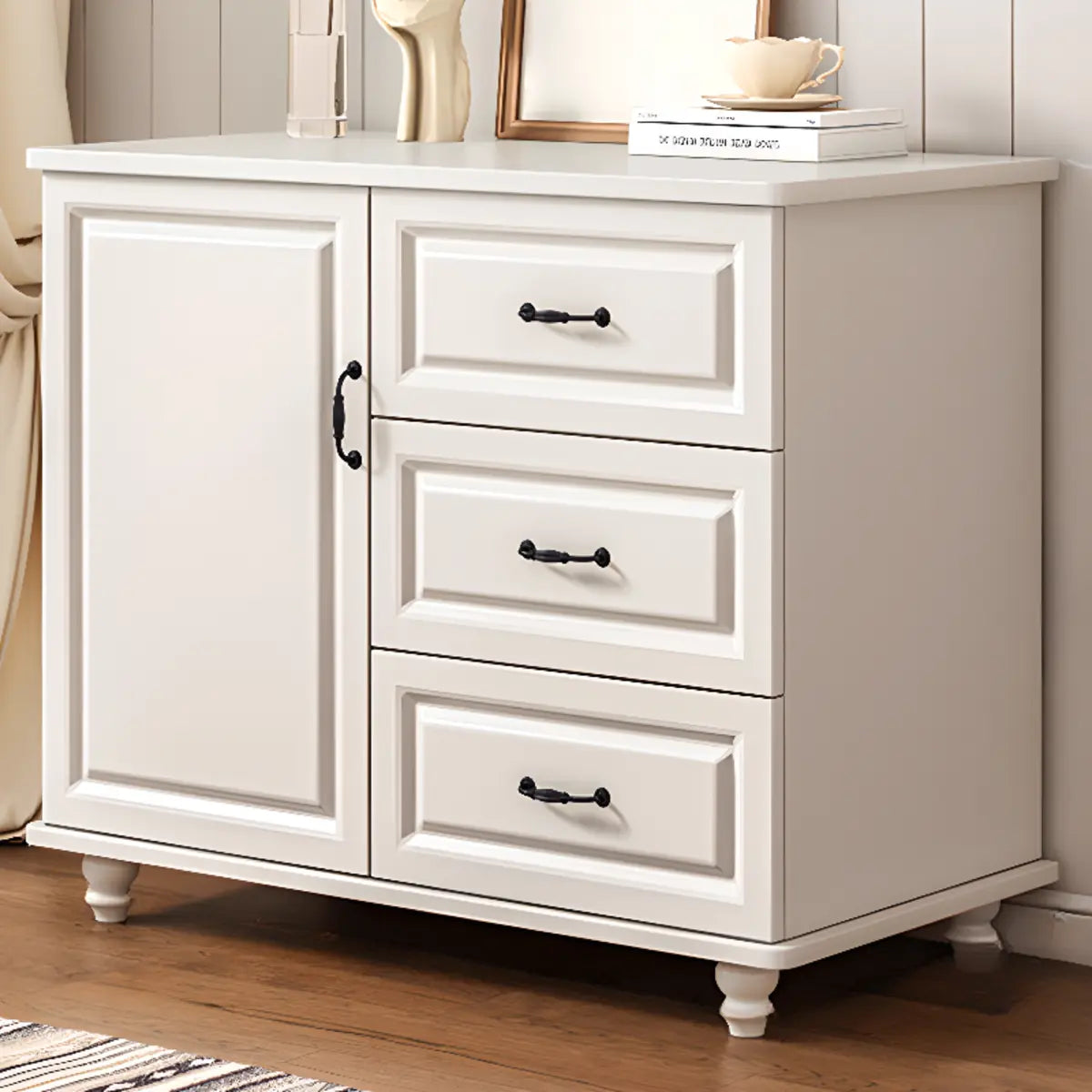
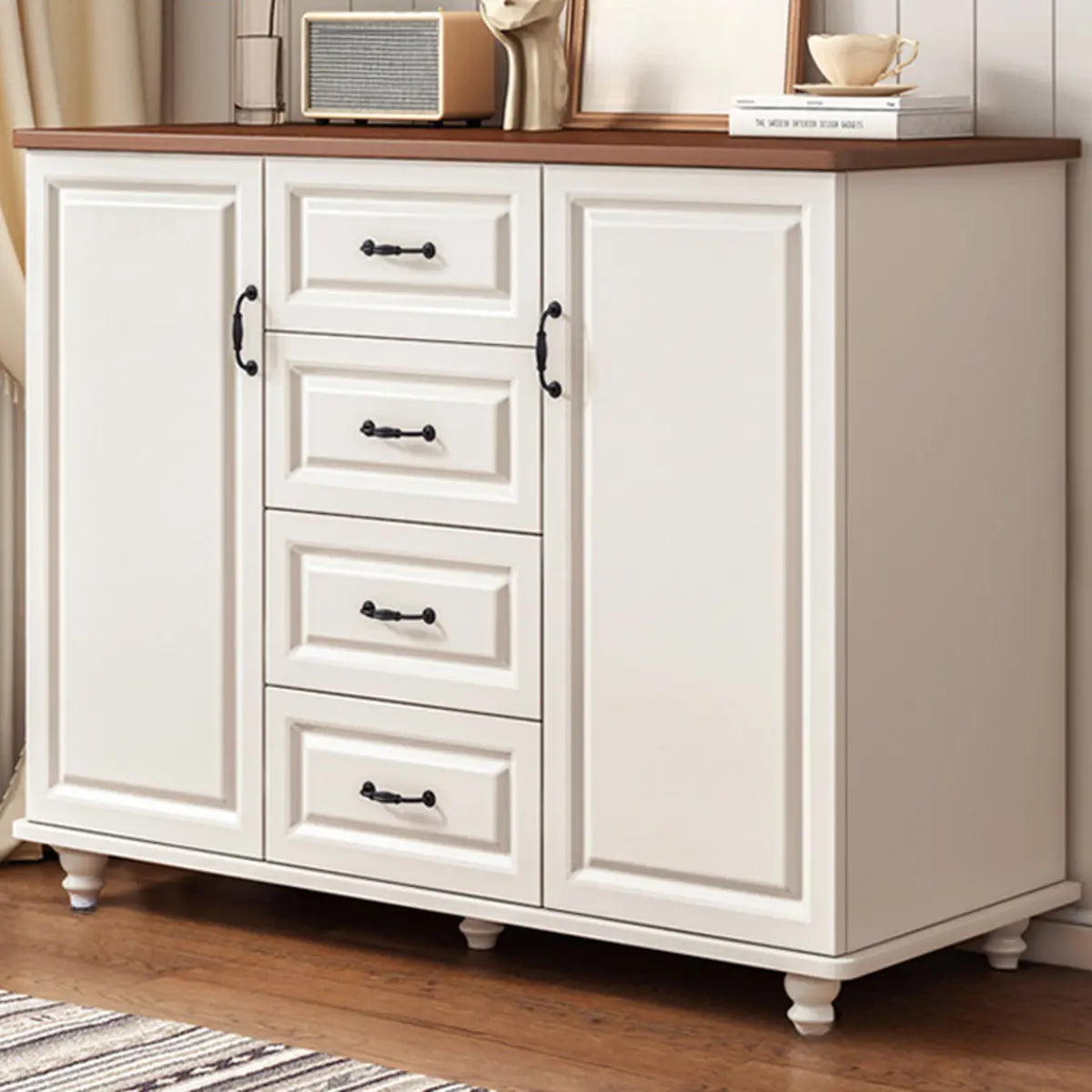
Classic White Wood Sideboard with Glass Doors
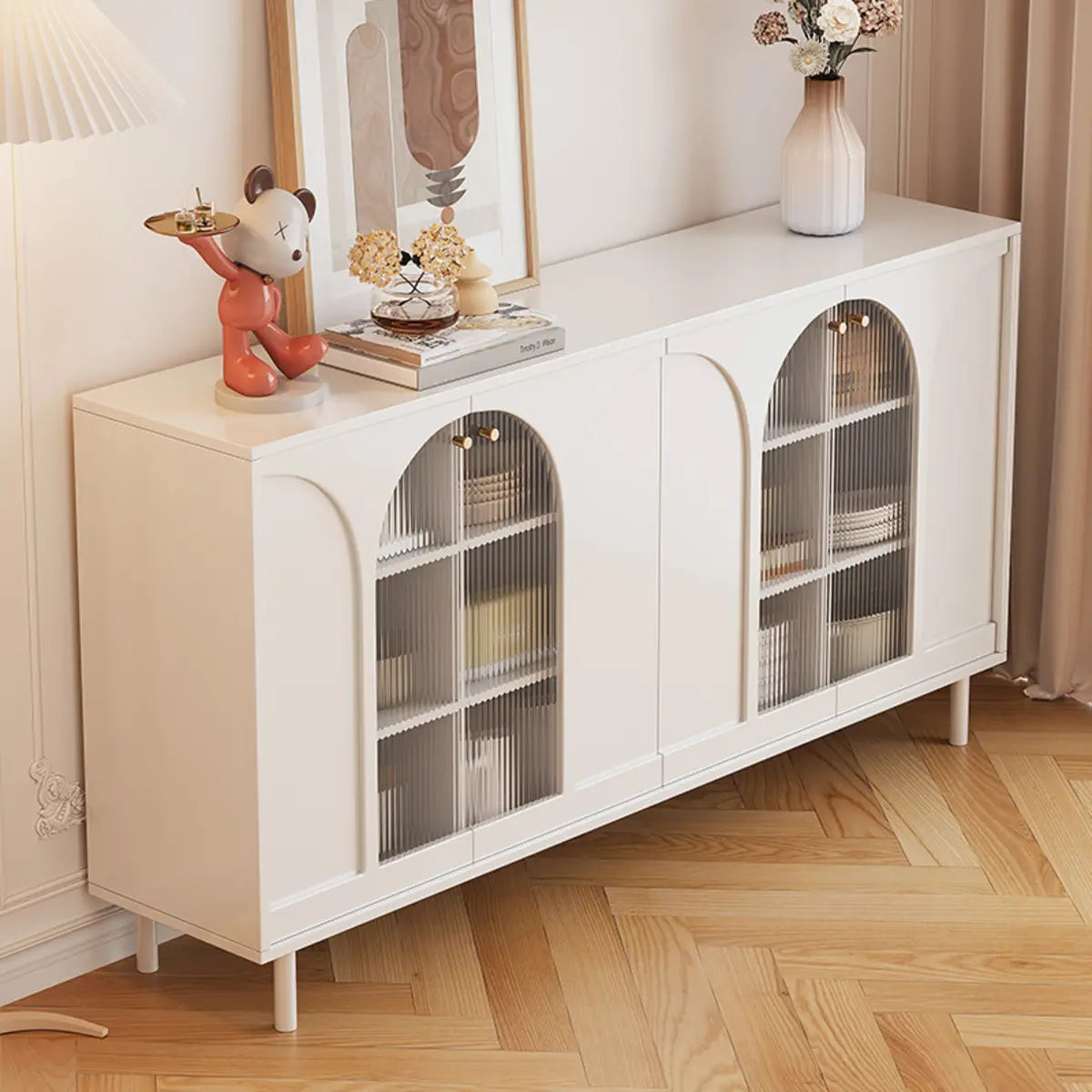
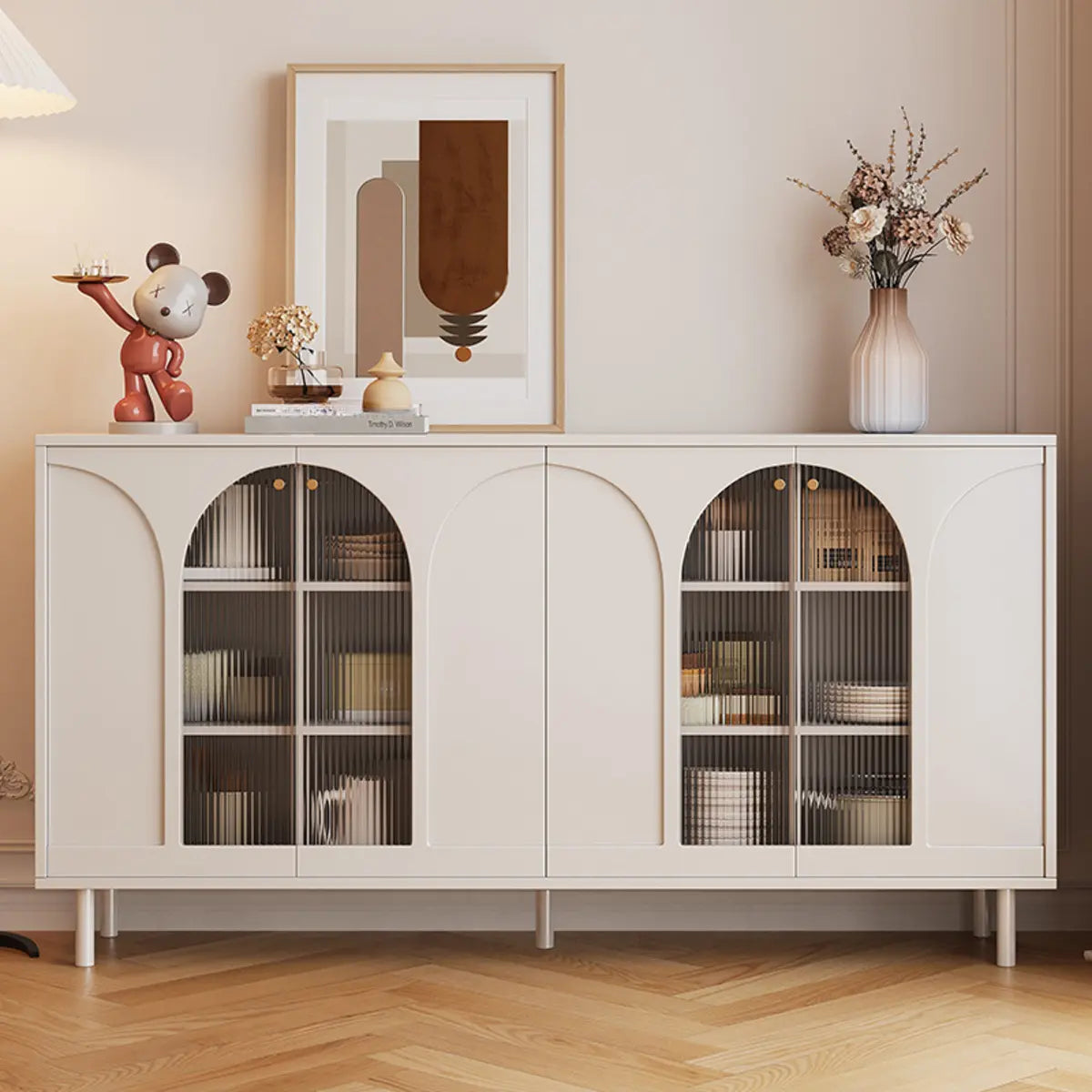
Classic White Wood Sideboard with Glass Doors
$1,001.95 -
-
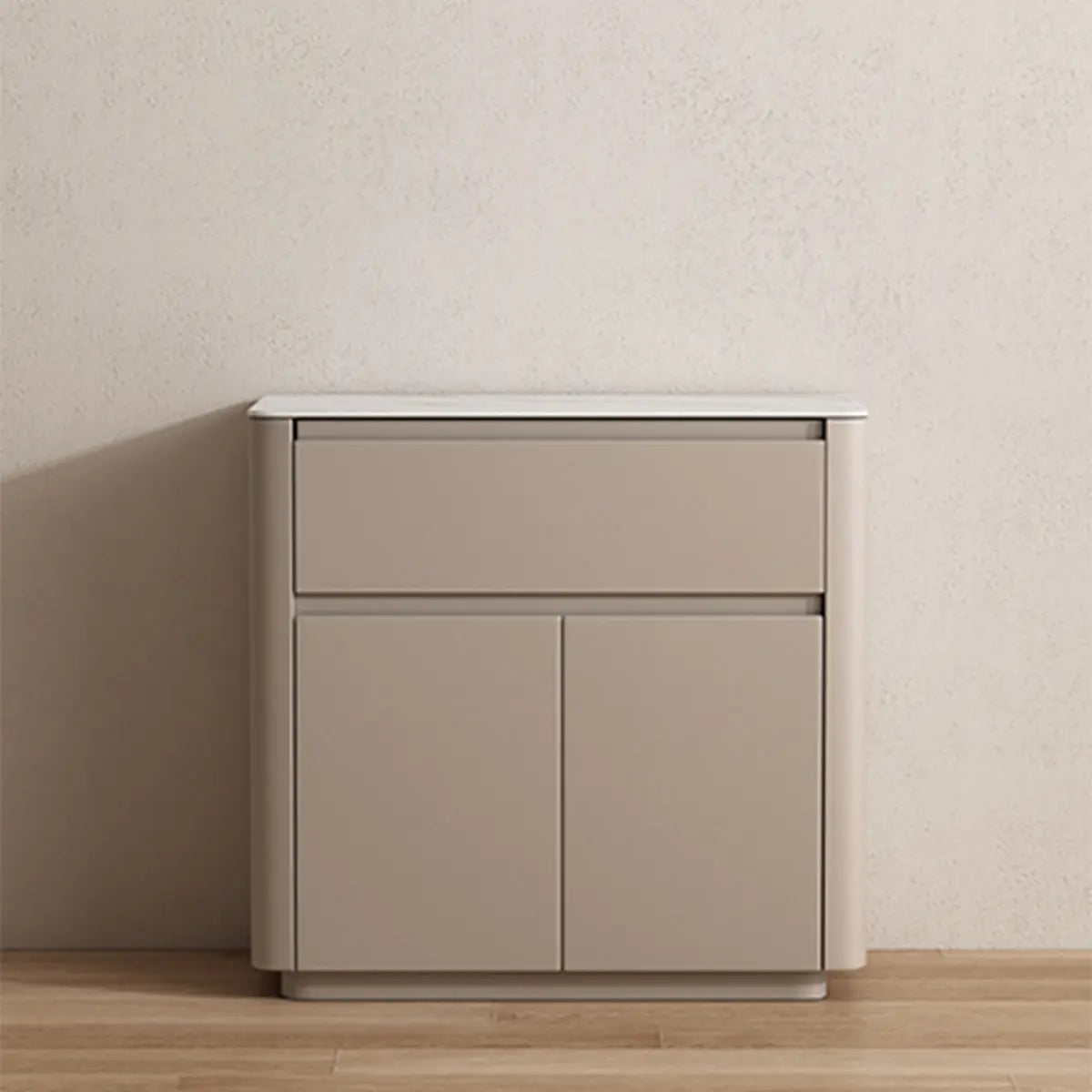
Modish Beige Wood Adjustable Sideboard with Drawers
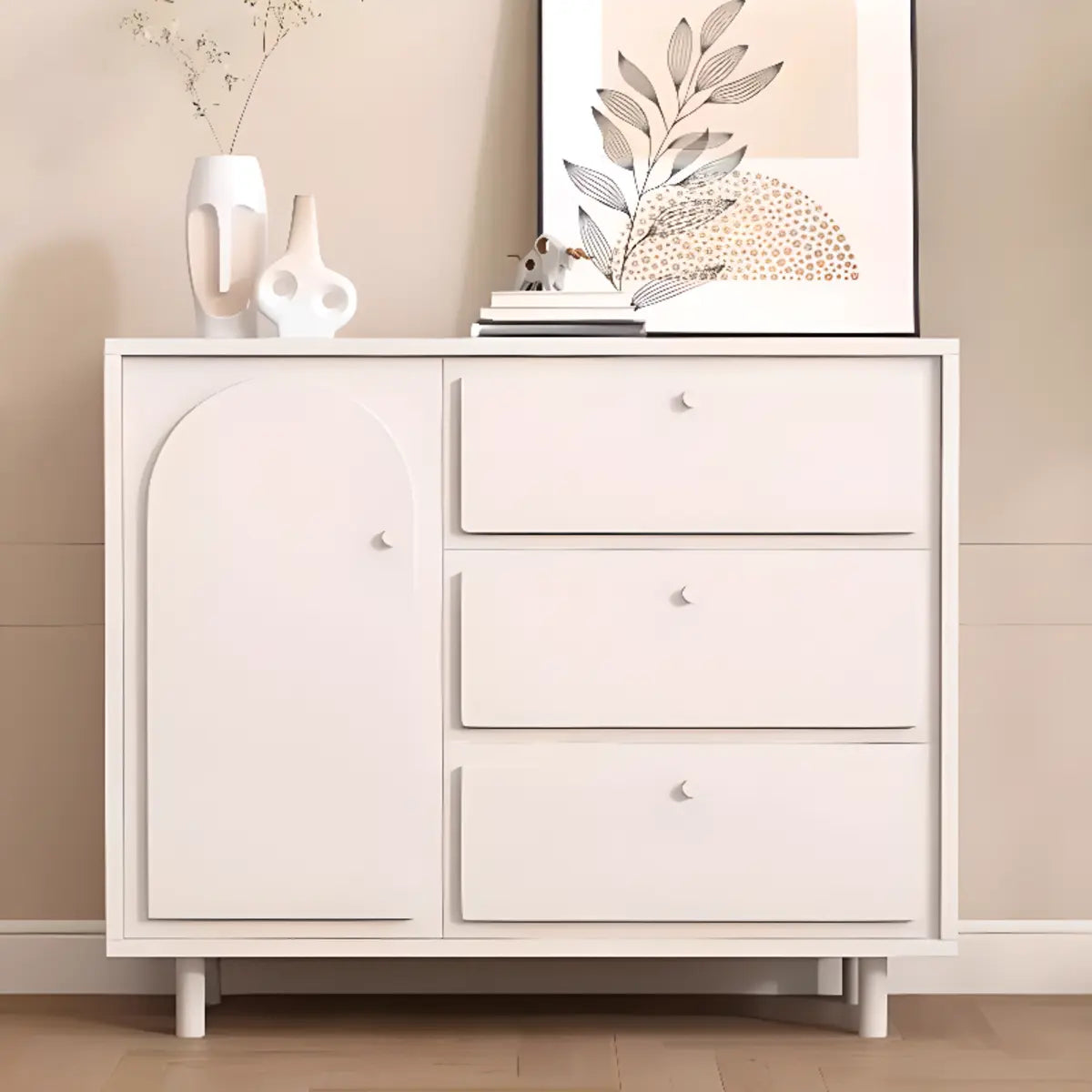
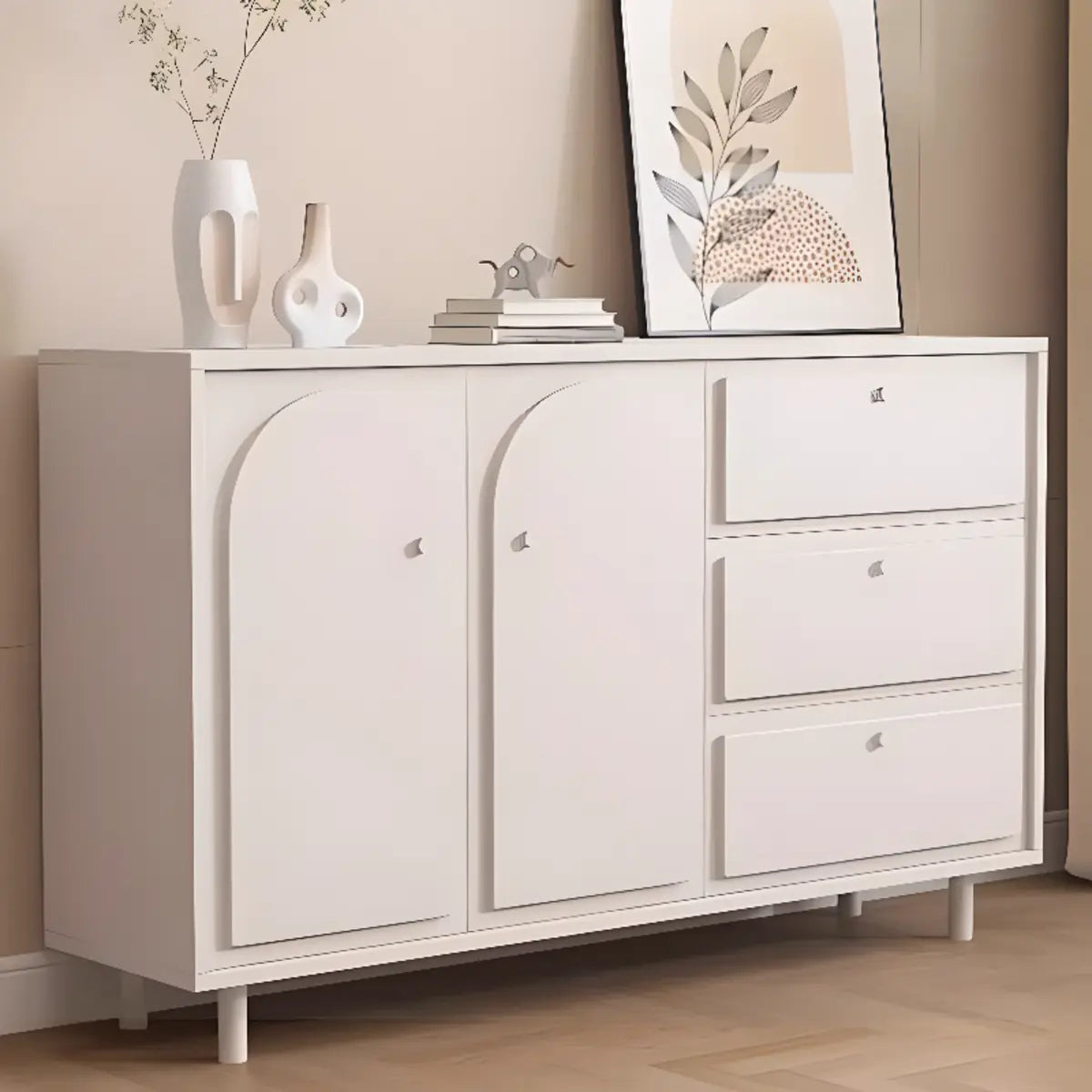
Modish Beige Wood Adjustable Sideboard with Drawers
$996.95 -
-
Contemporary Dove Gray Wood Large Open Sideboard
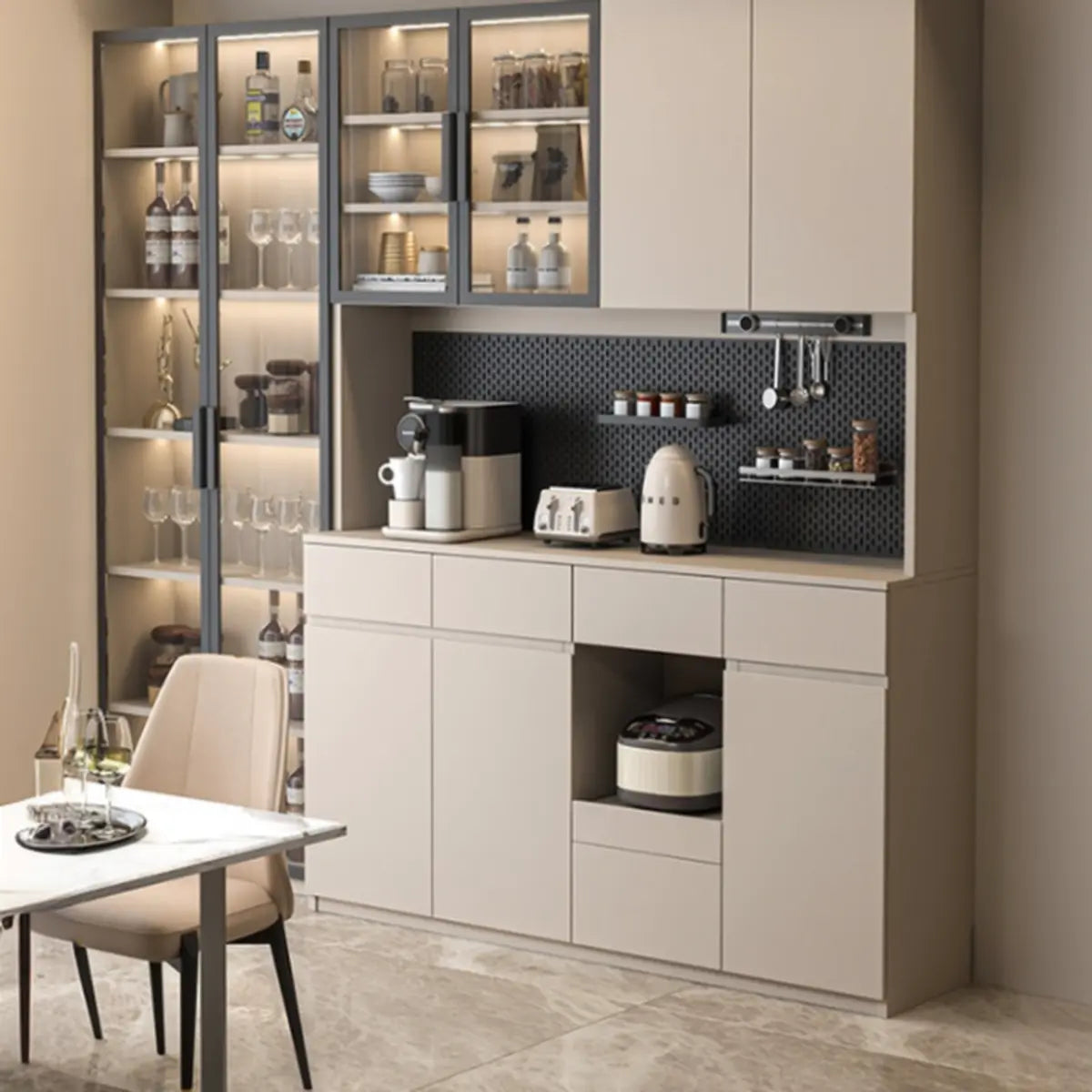
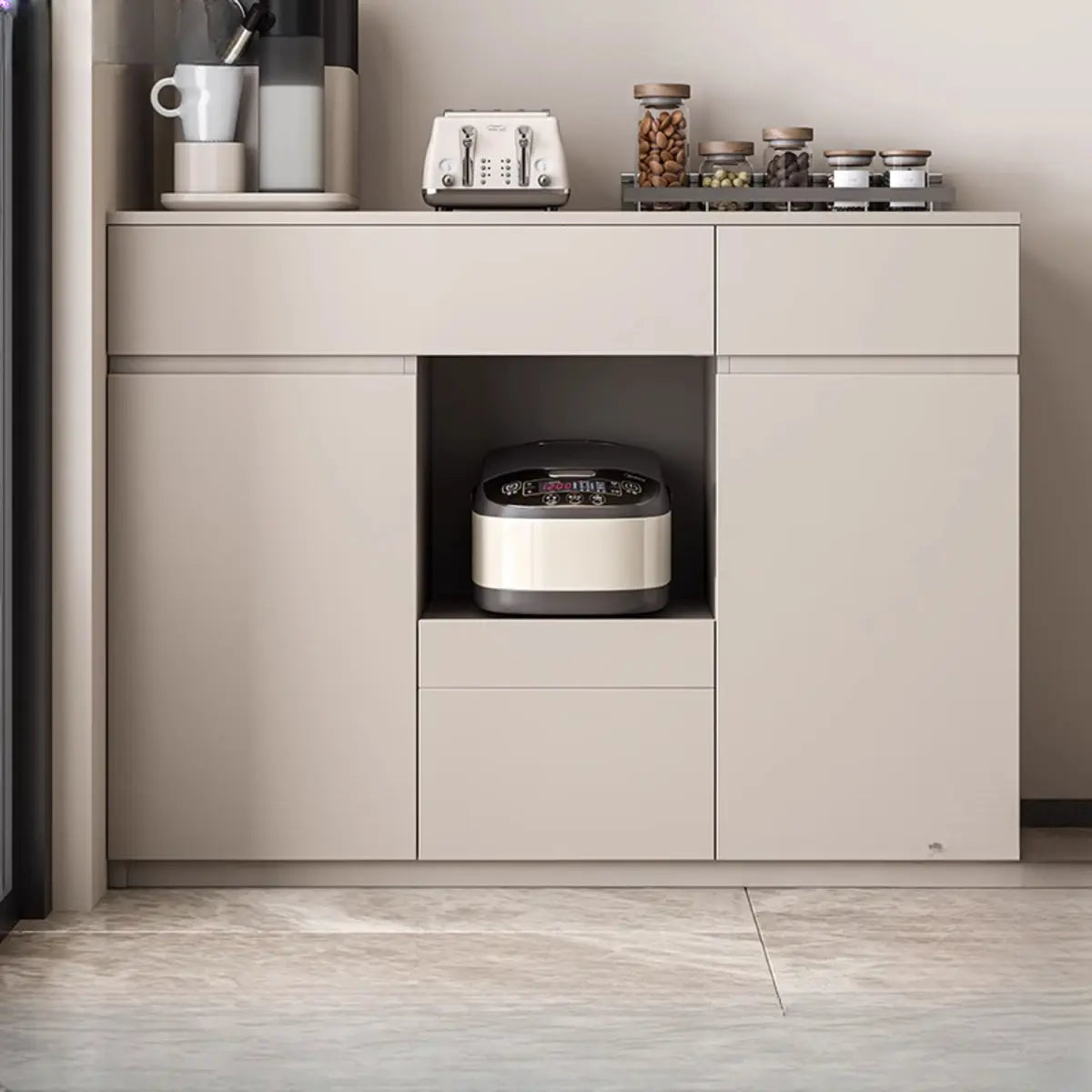
Contemporary Dove Gray Wood Large Open Sideboard
$664.95 -
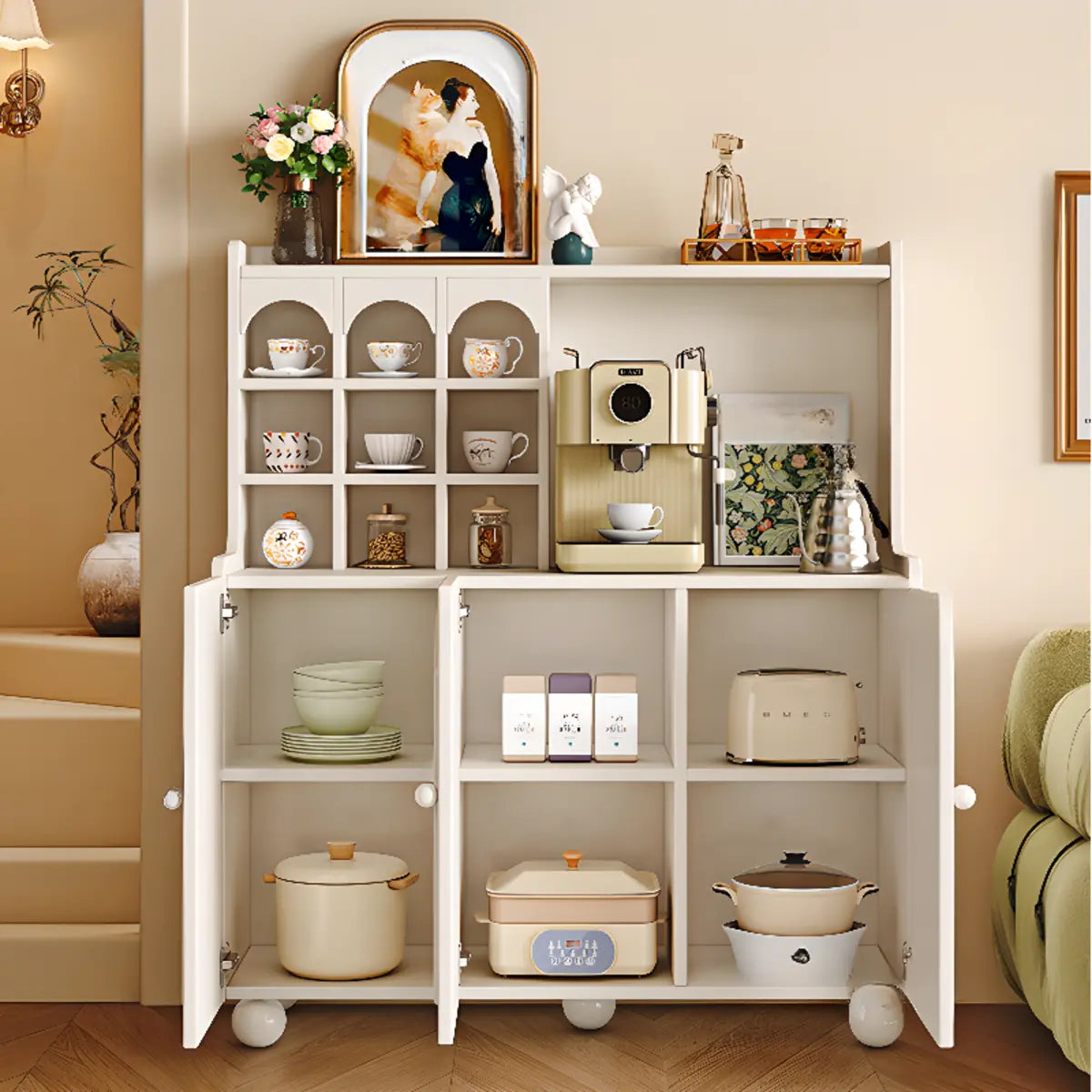
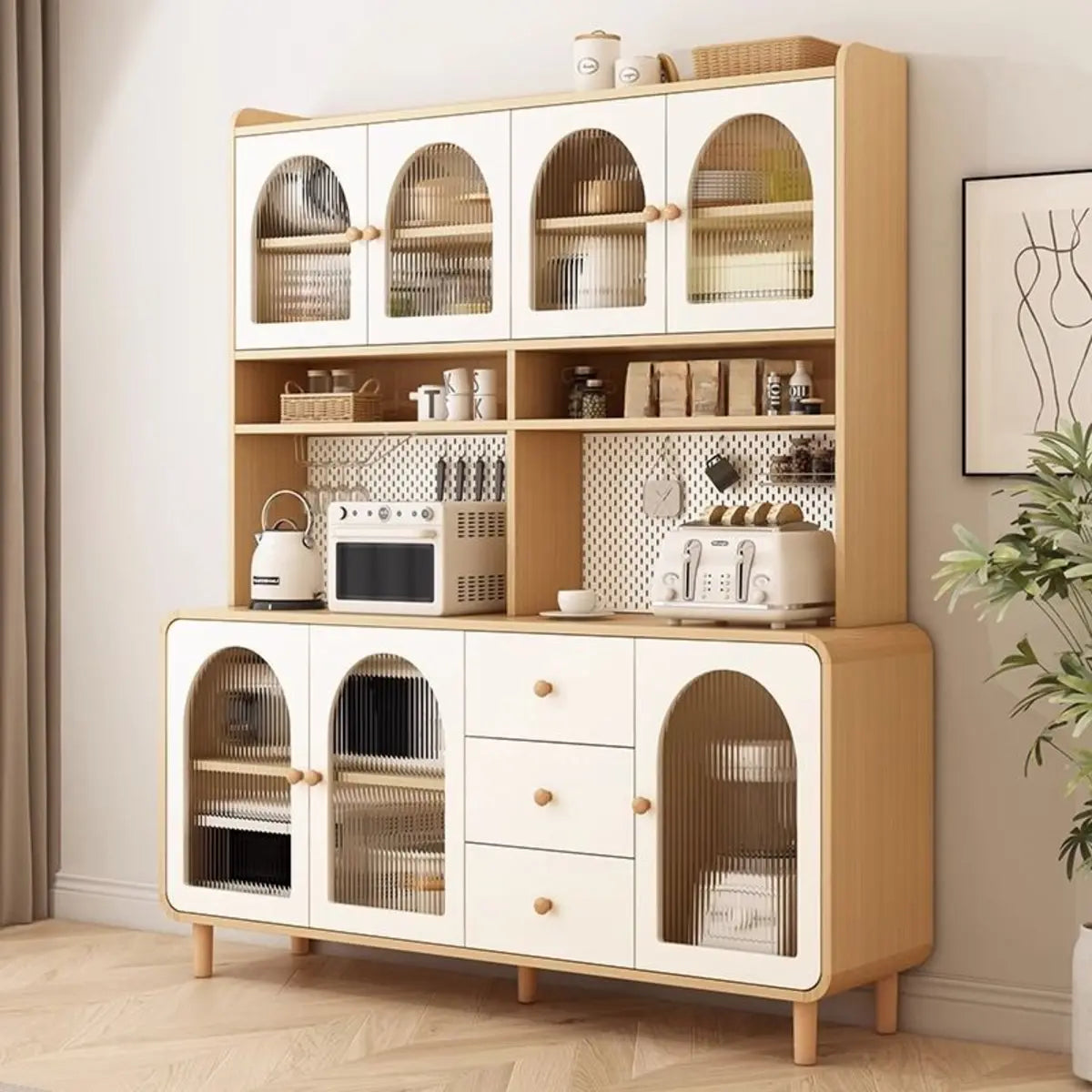
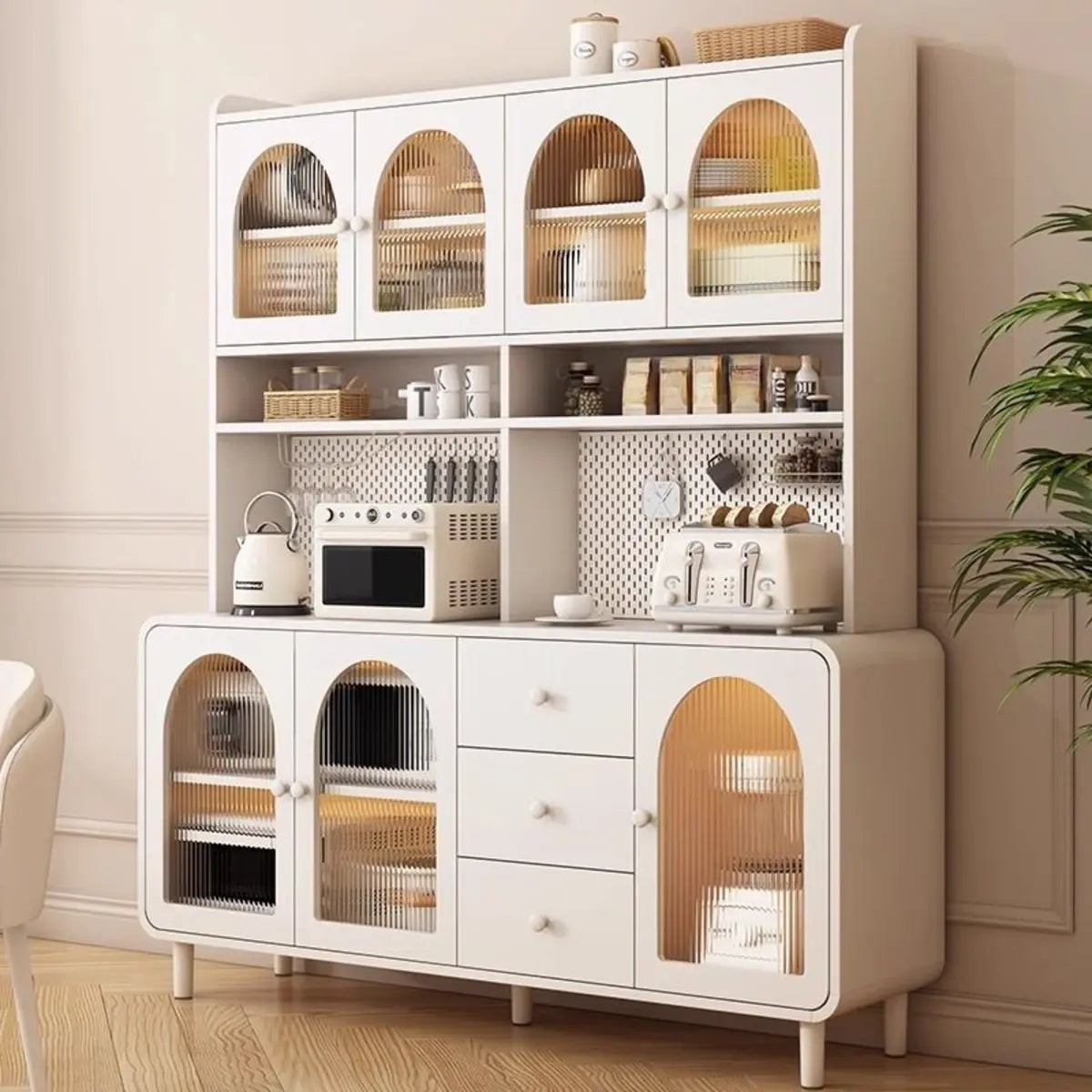
White Arched Clear Glass Door Buffet with Shelves
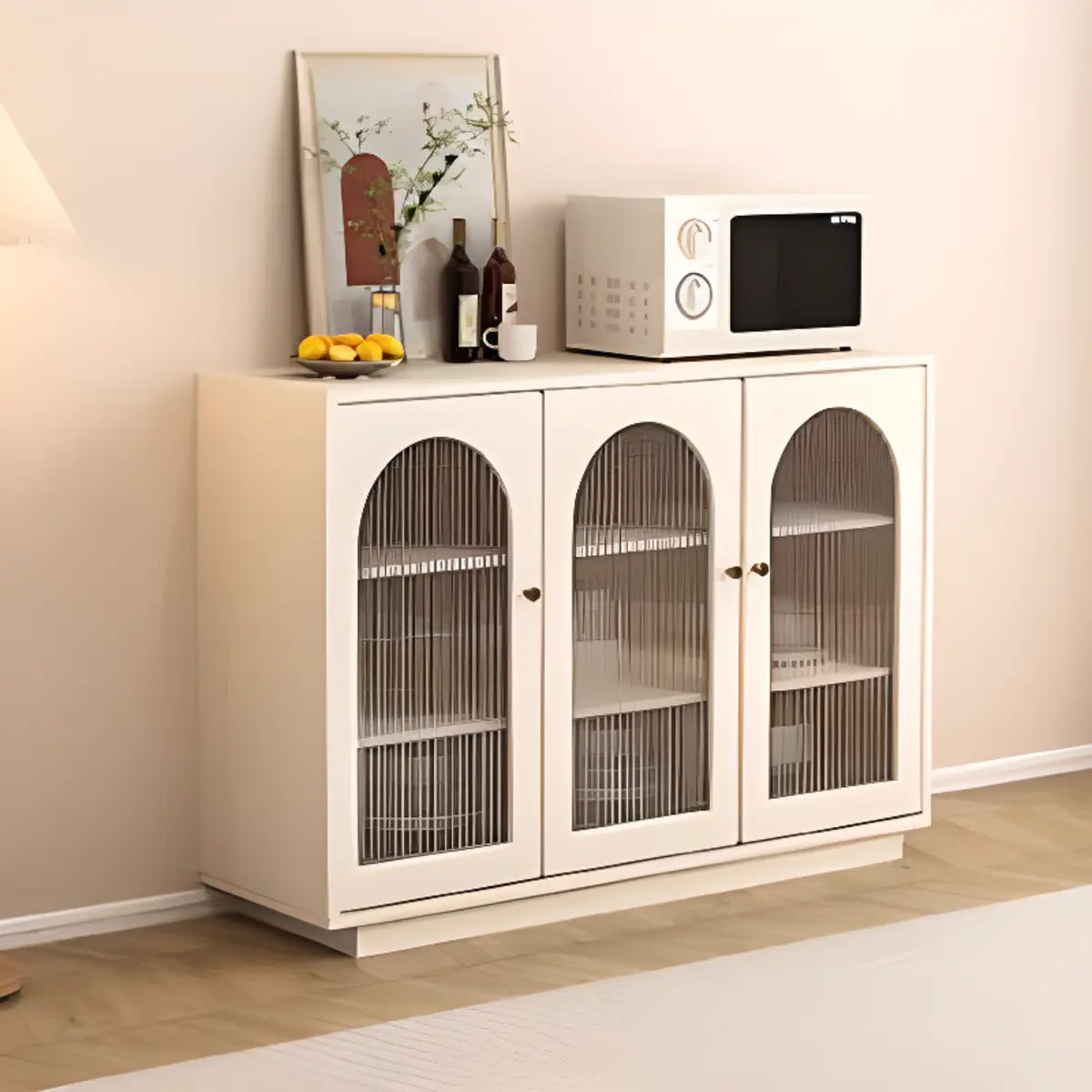
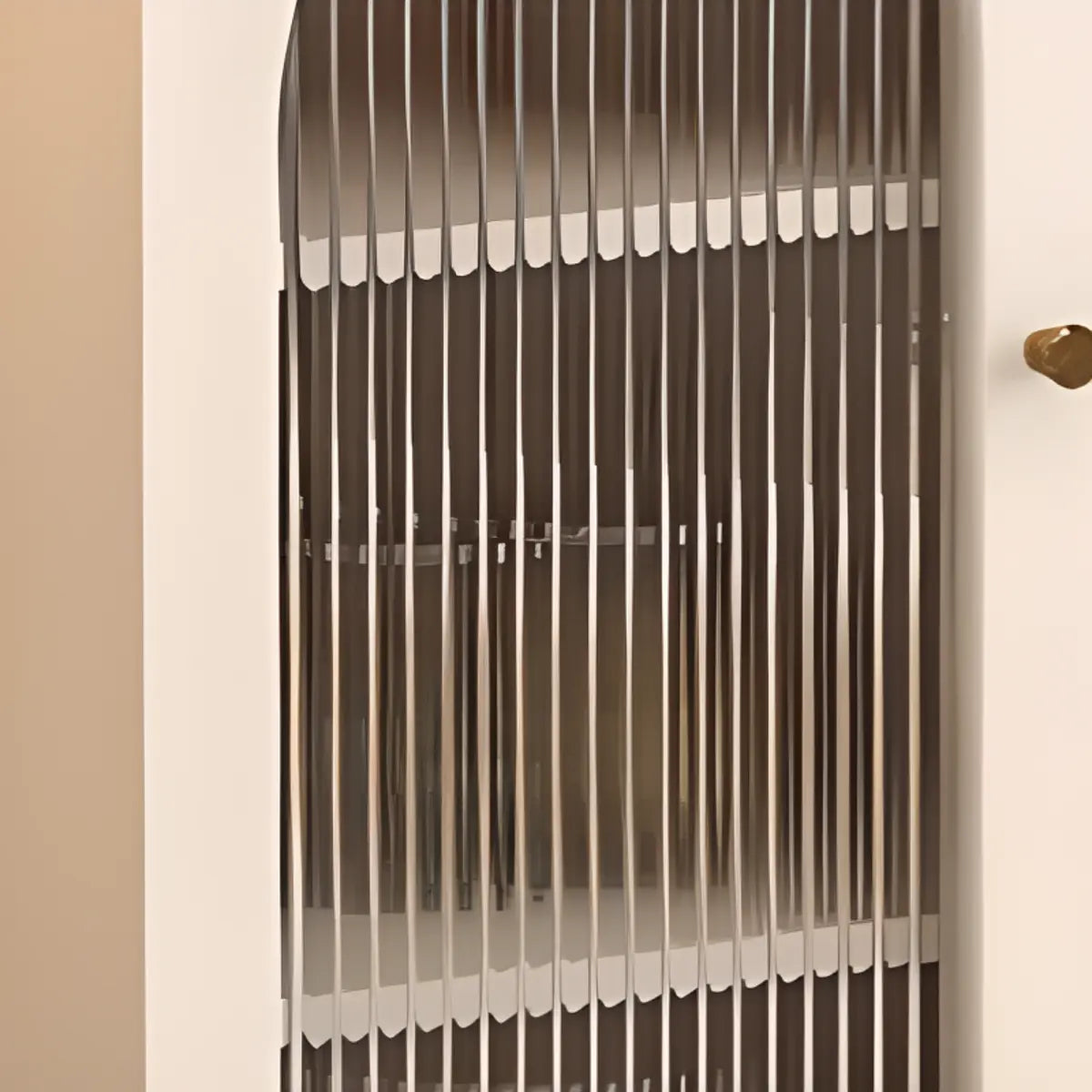
White Arched Clear Glass Door Buffet with Shelves
$1,075.95 -
-
-
-
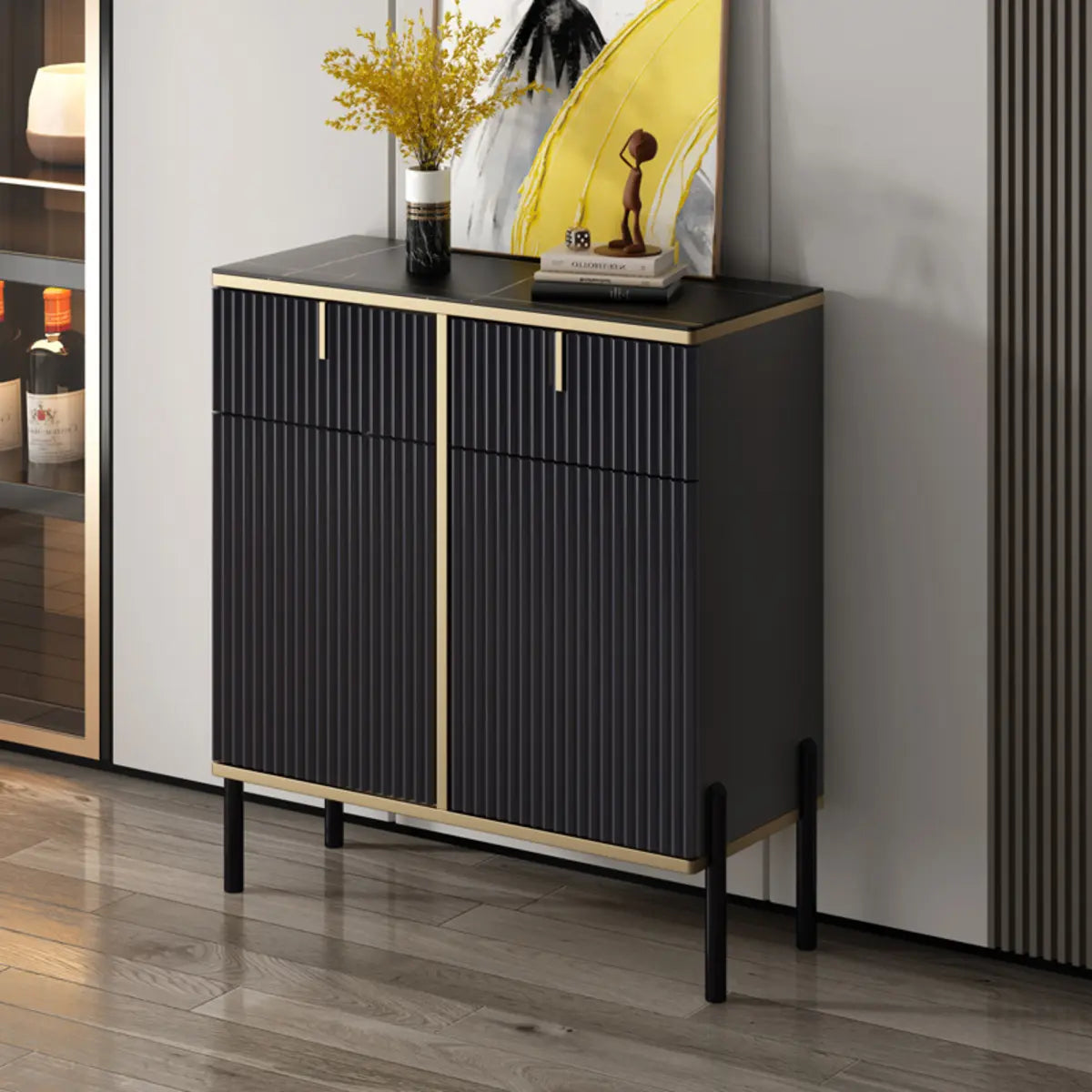
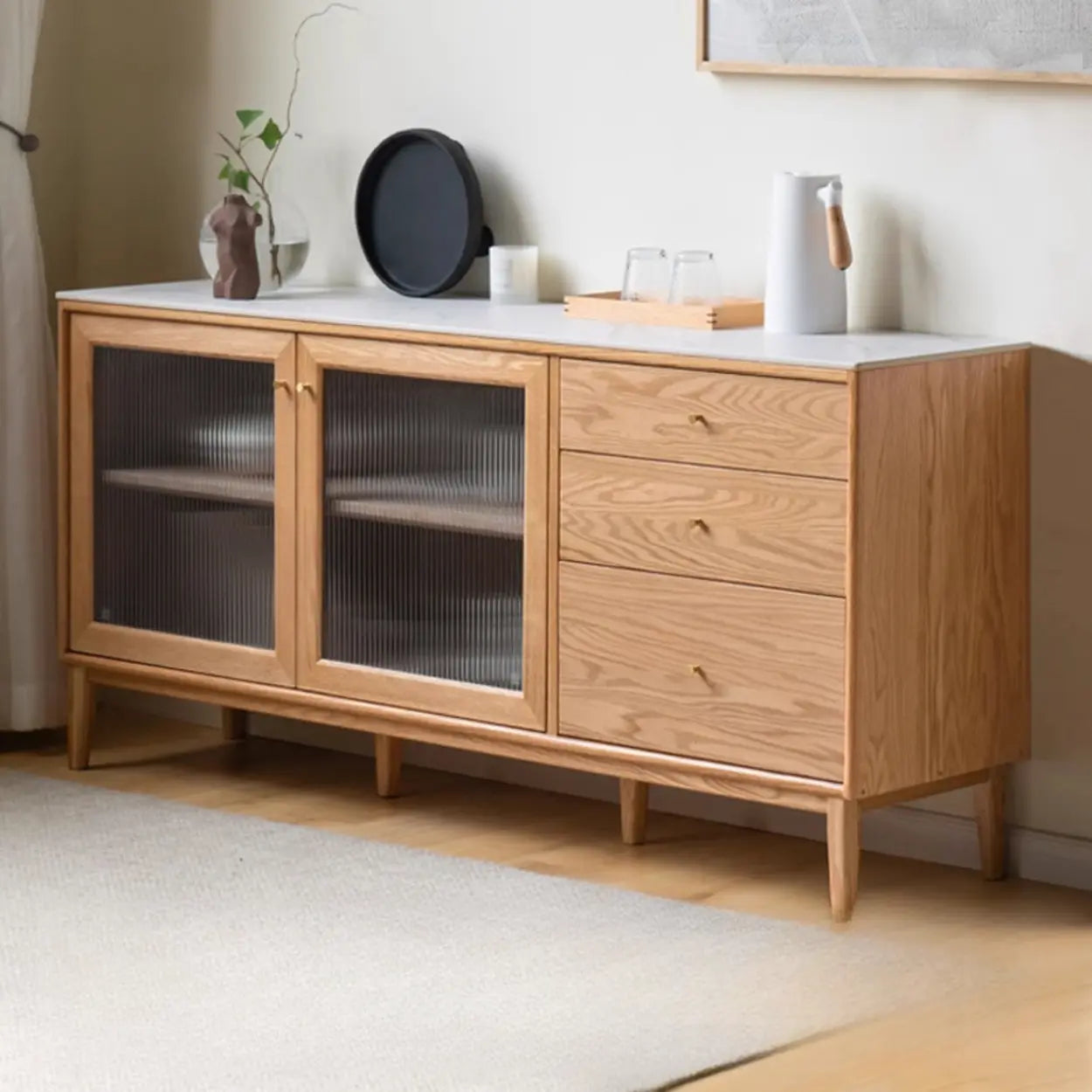
Freestanding White Stone Top Buffet with Drawers and Shelves
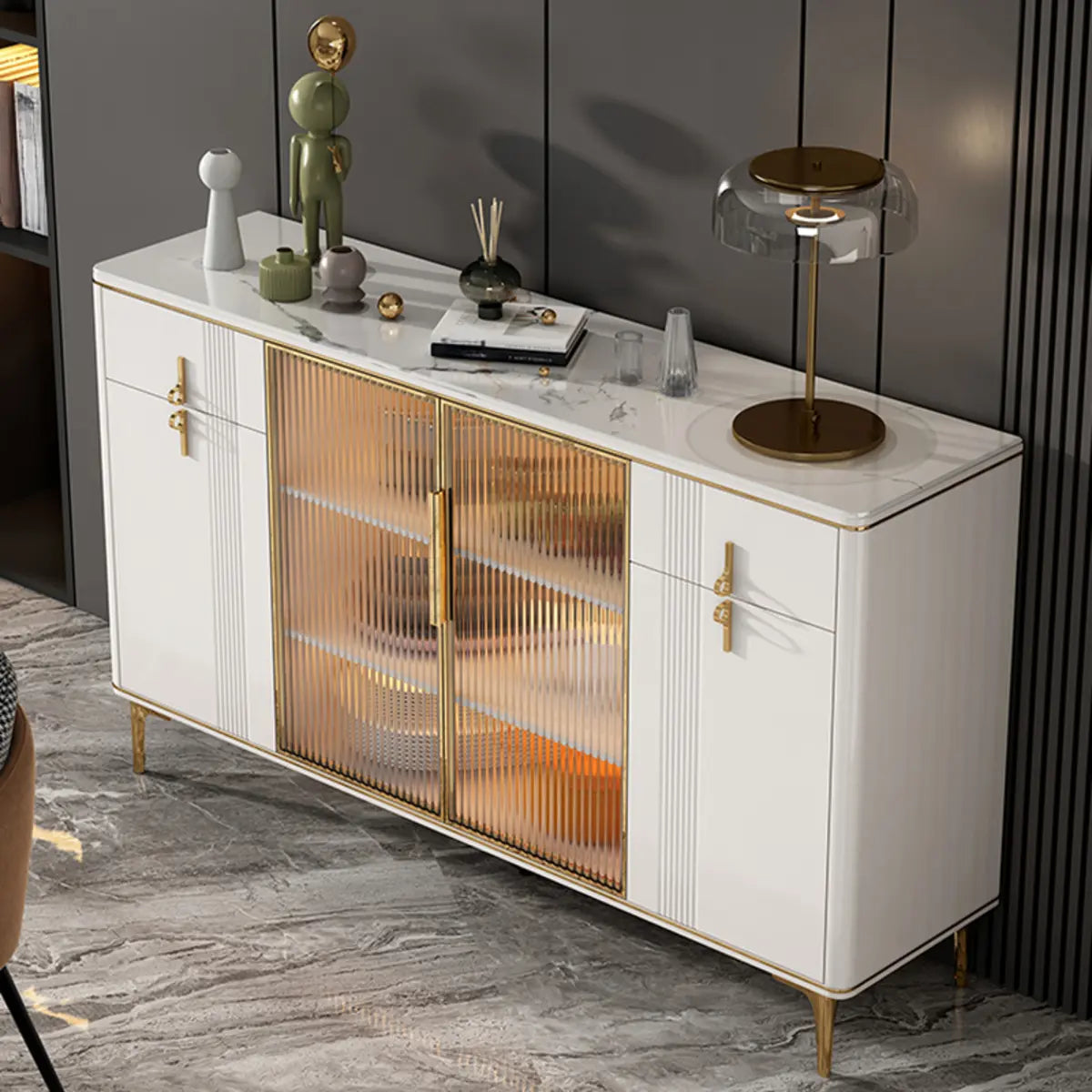
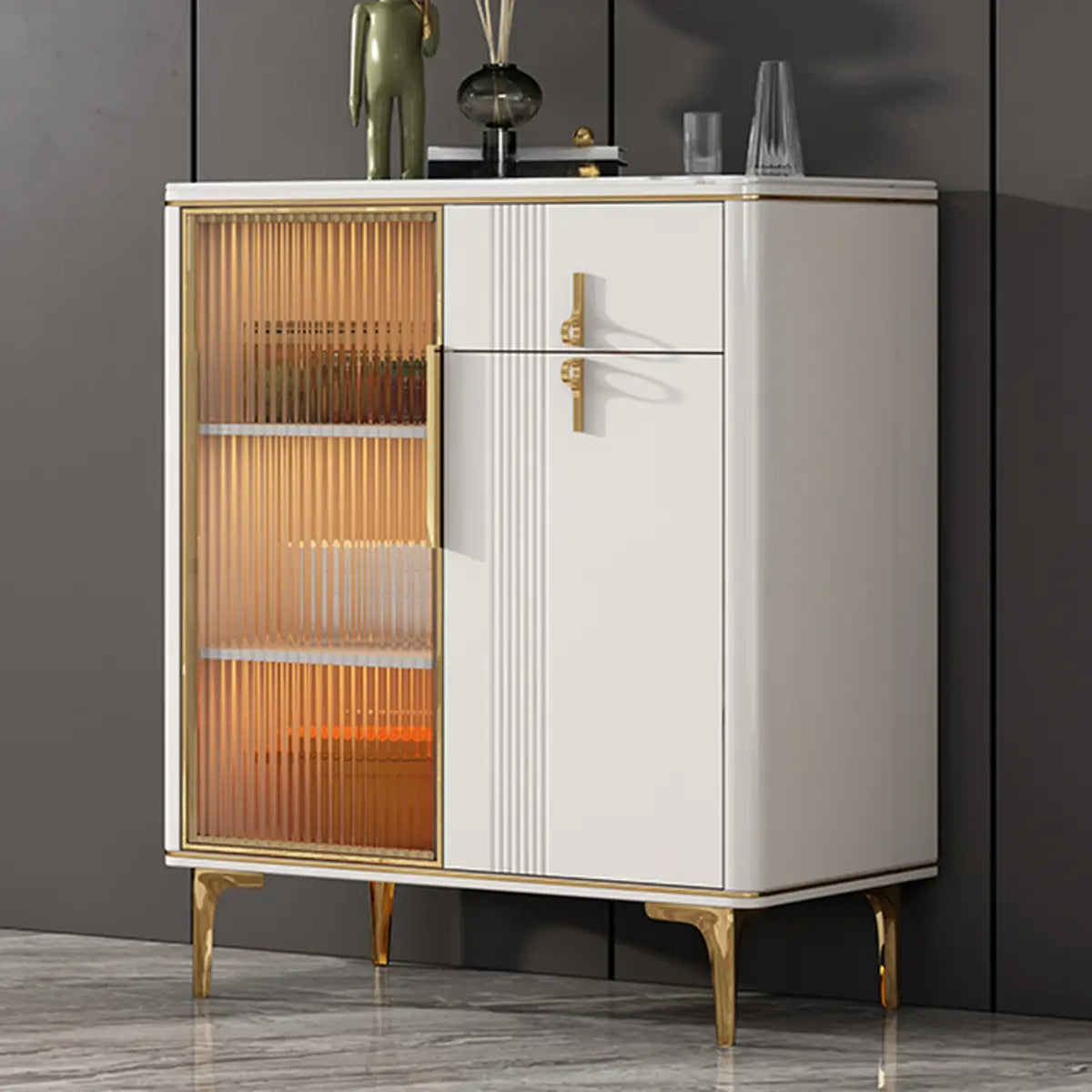
Freestanding White Stone Top Buffet with Drawers and Shelves
$443.95 -
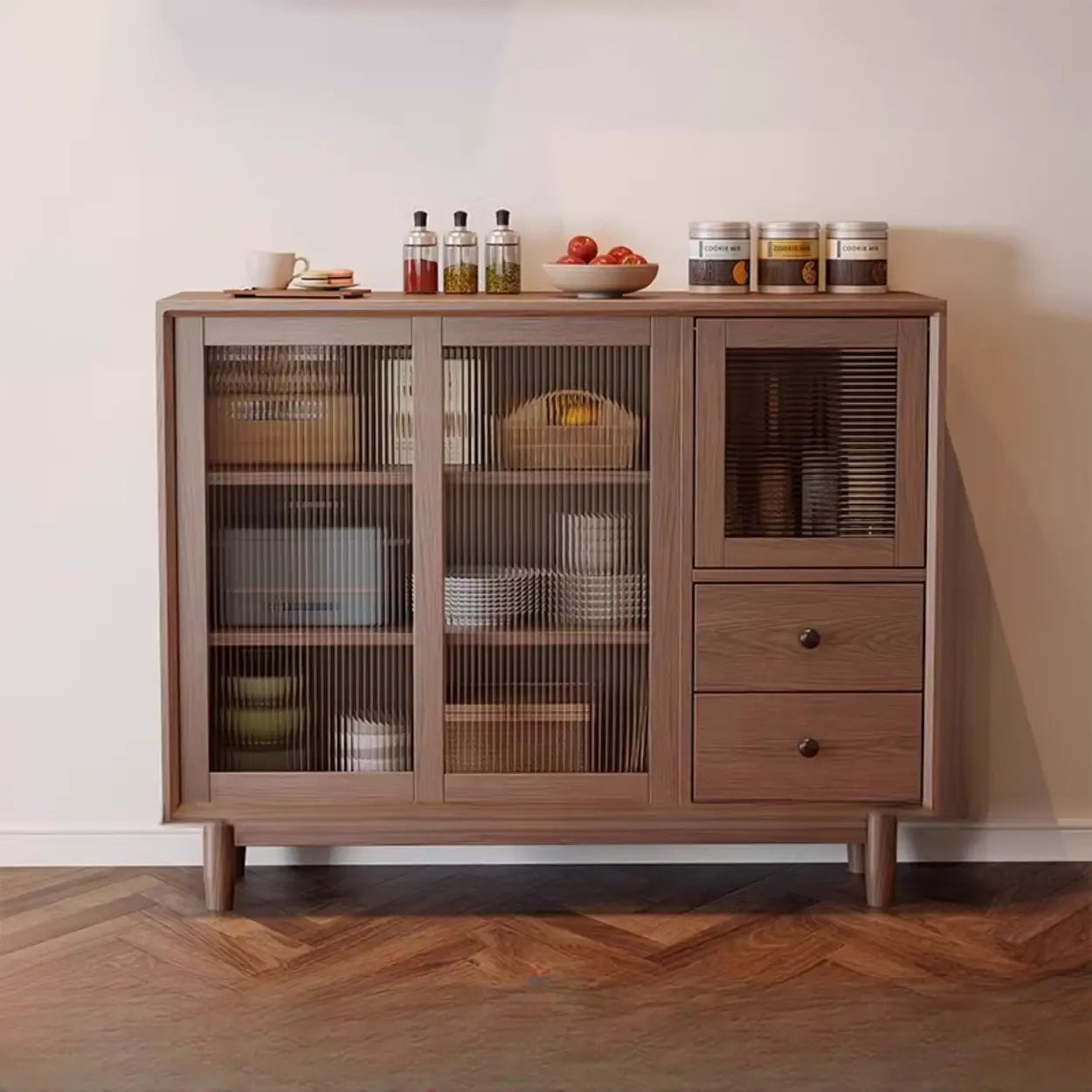
Stylish Walnut Brown Narrow Sideboard Glass Doors
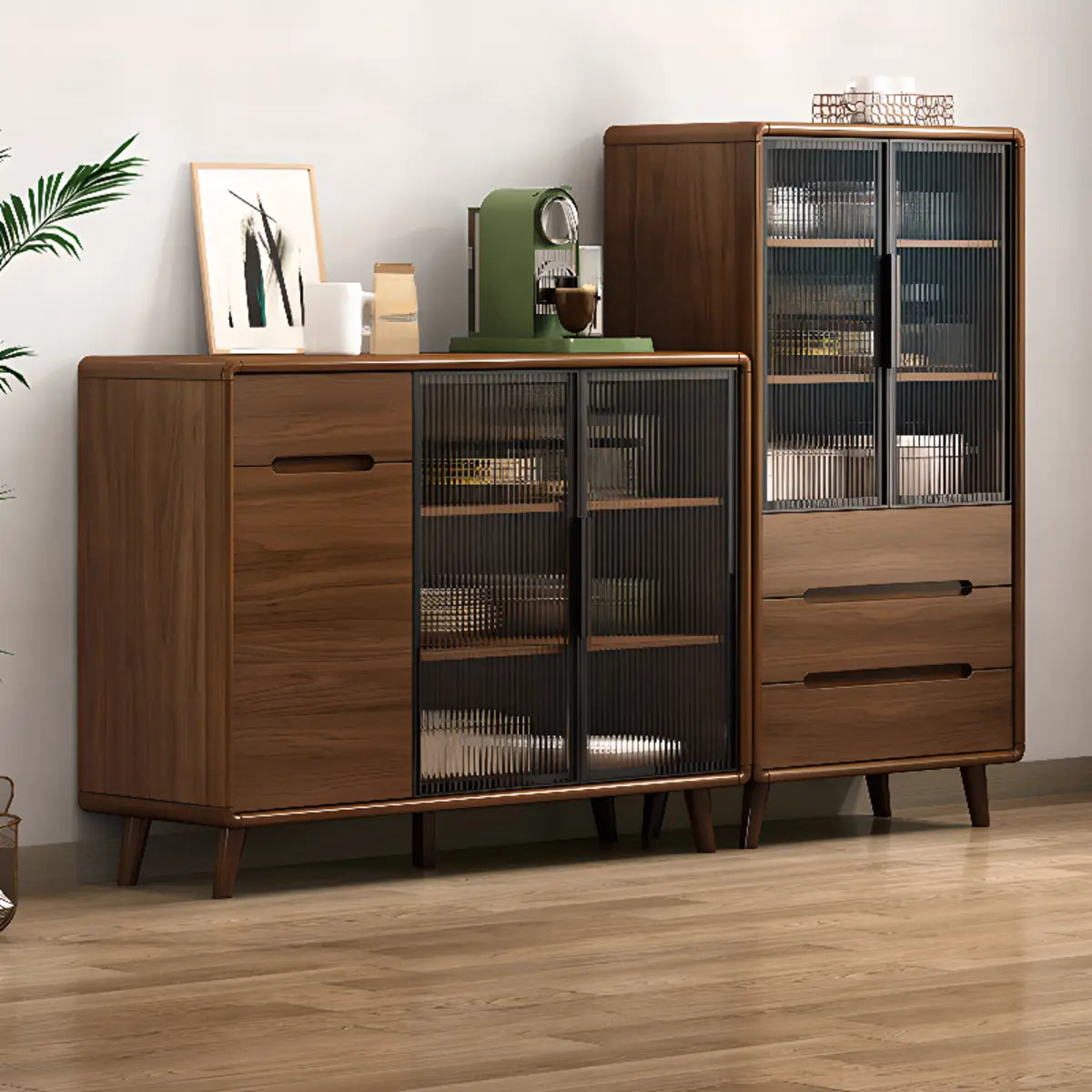
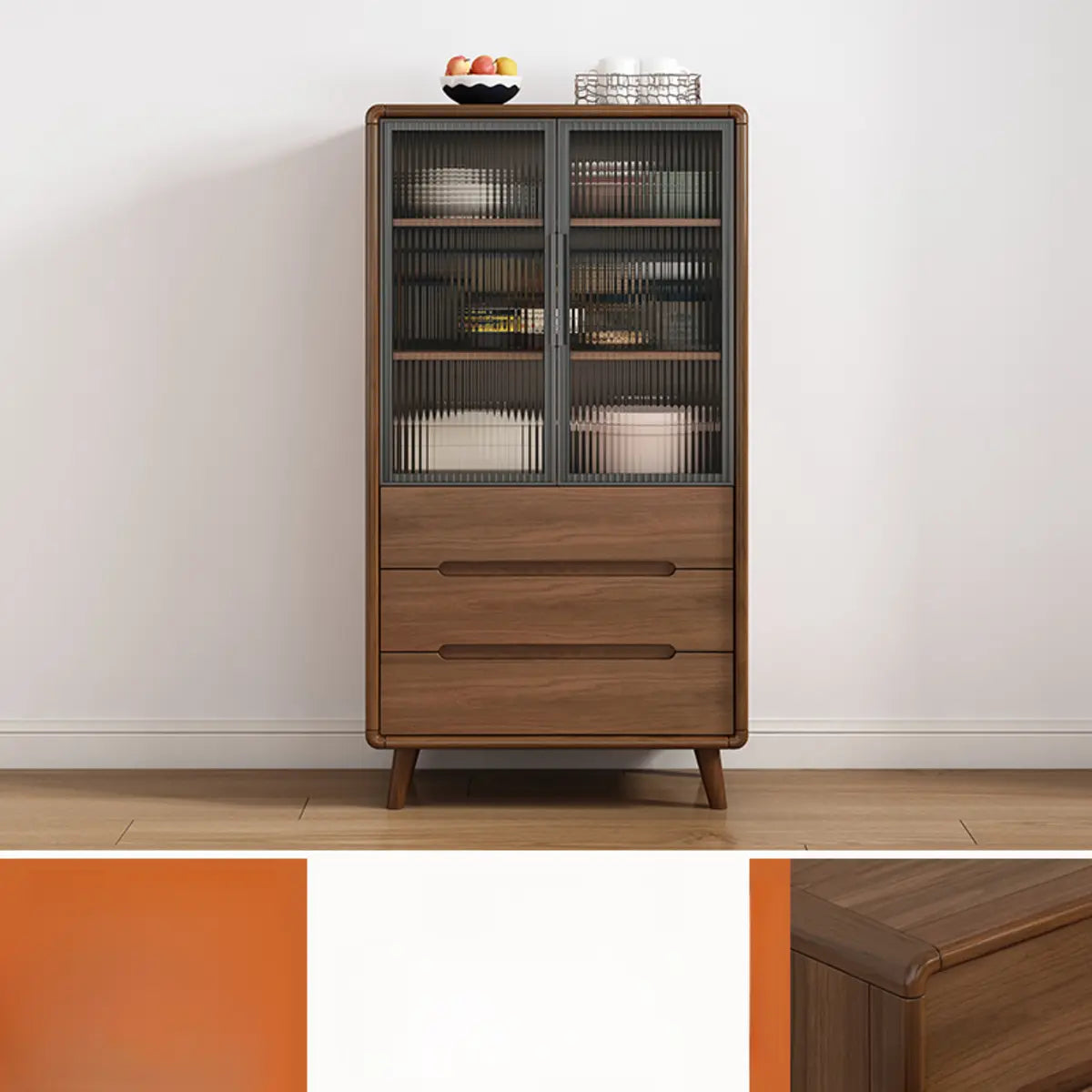
Stylish Walnut Brown Narrow Sideboard Glass Doors
$482.95 -
-
-
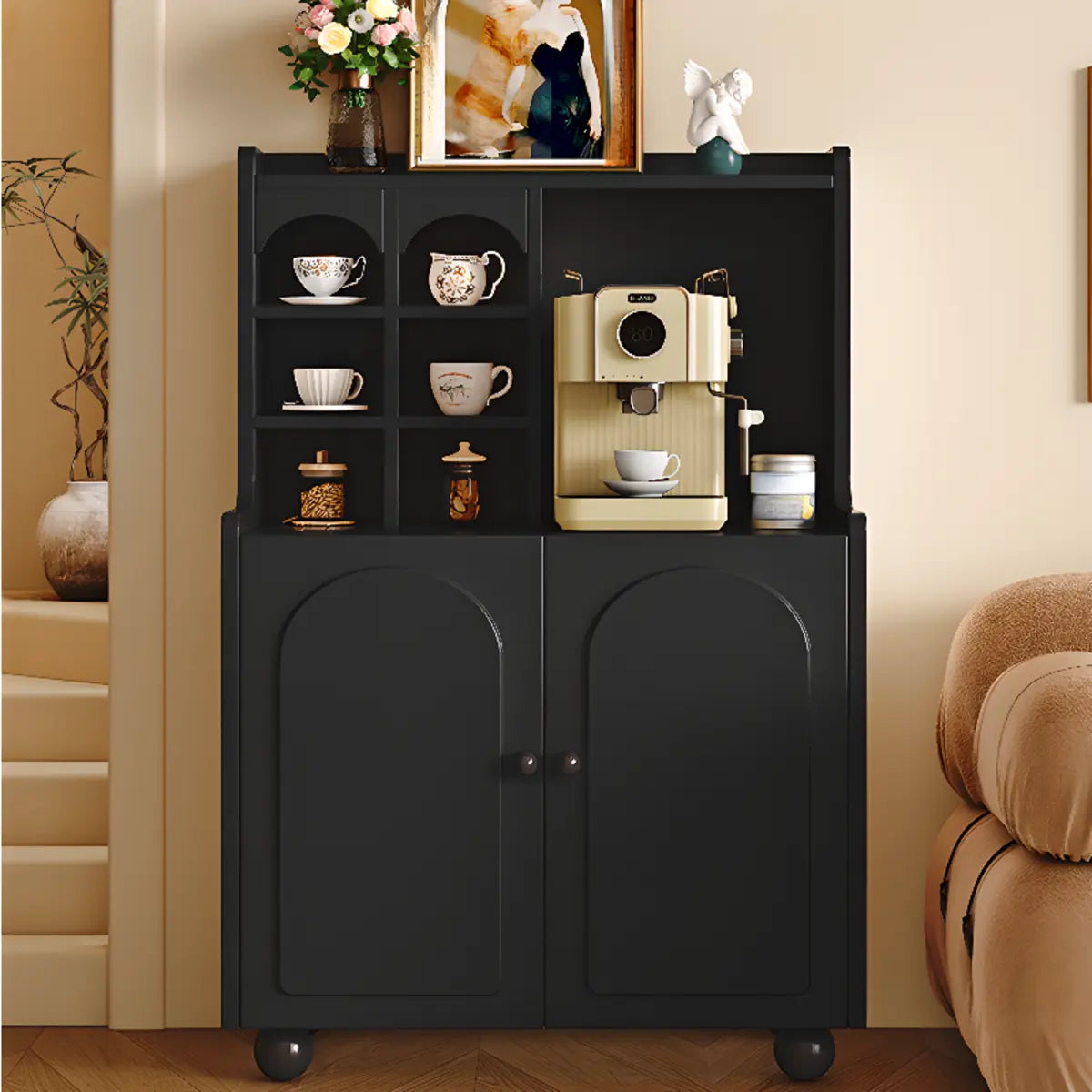
Freestanding Black Metal Buffet Clear Glass Doors
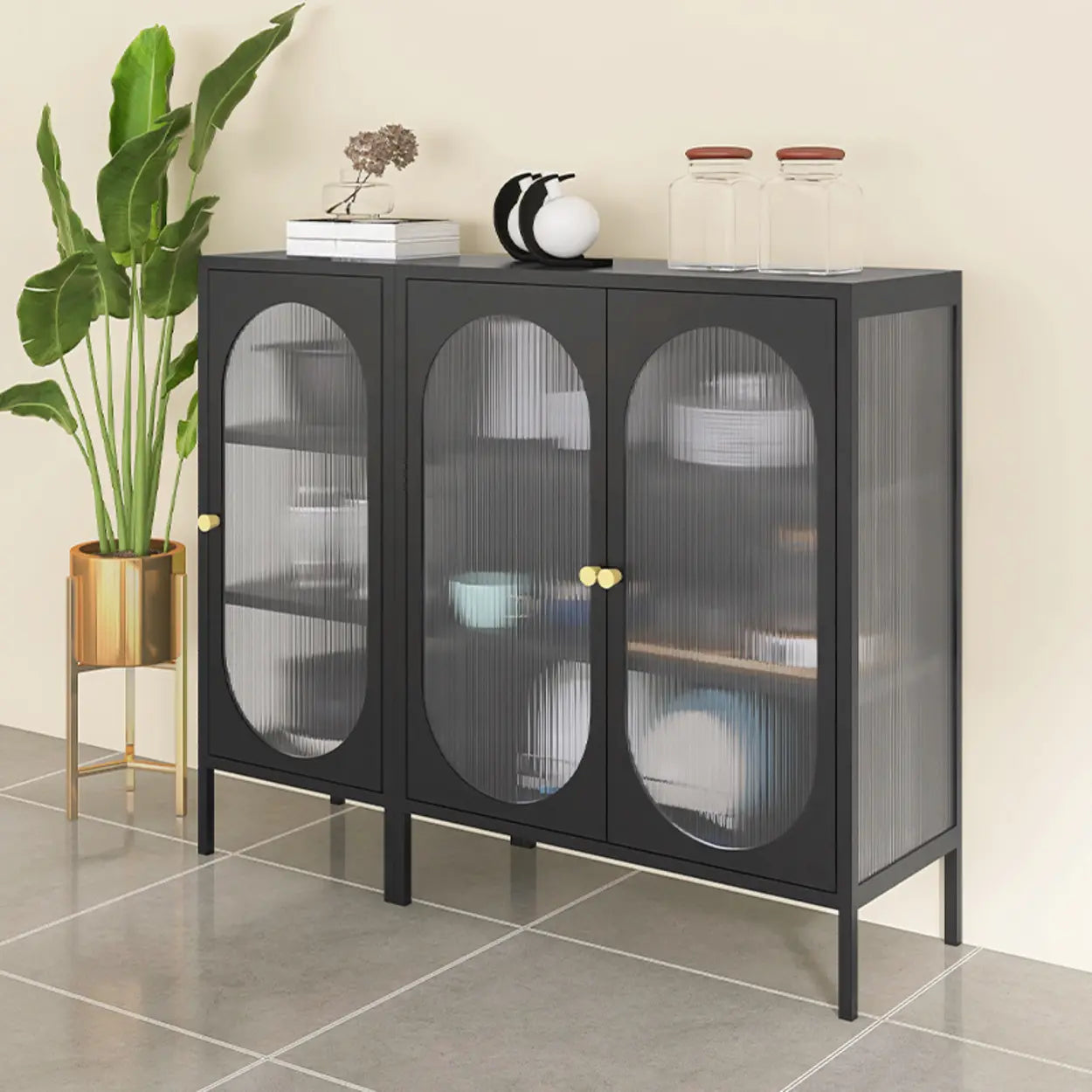
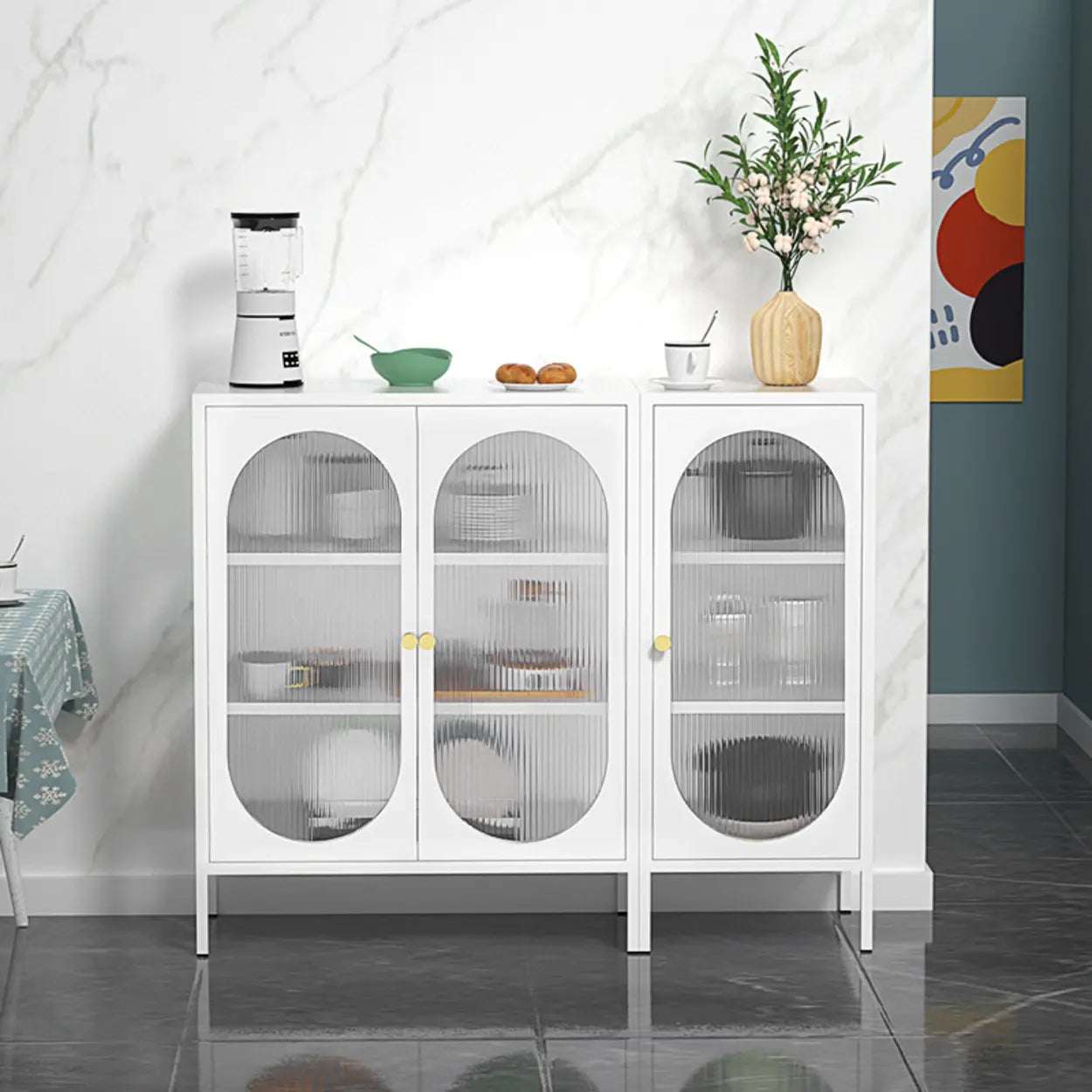
Freestanding Black Metal Buffet Clear Glass Doors
$249.95 -
-
Nut-Brown Open Sideboard with Drawers and Shelves
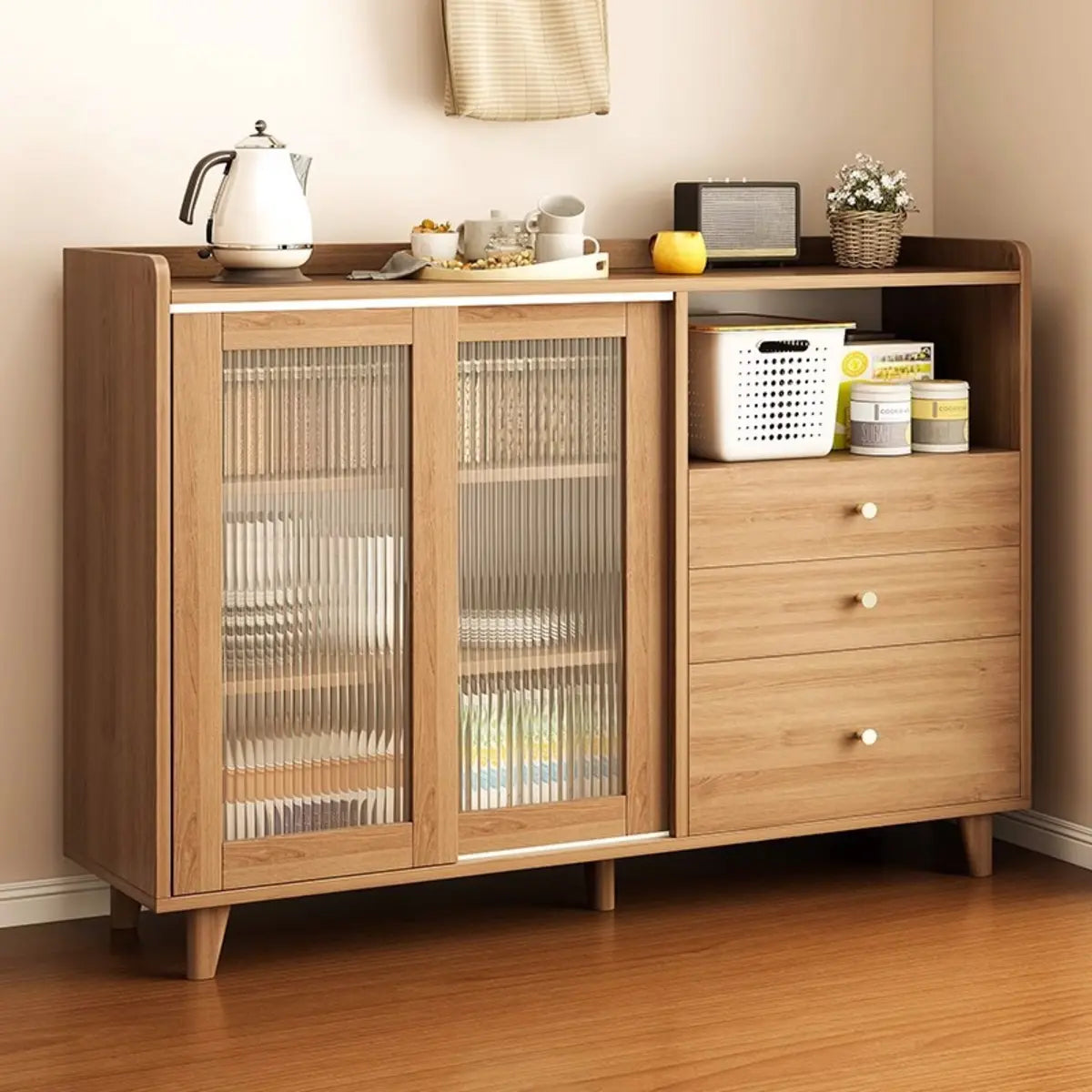
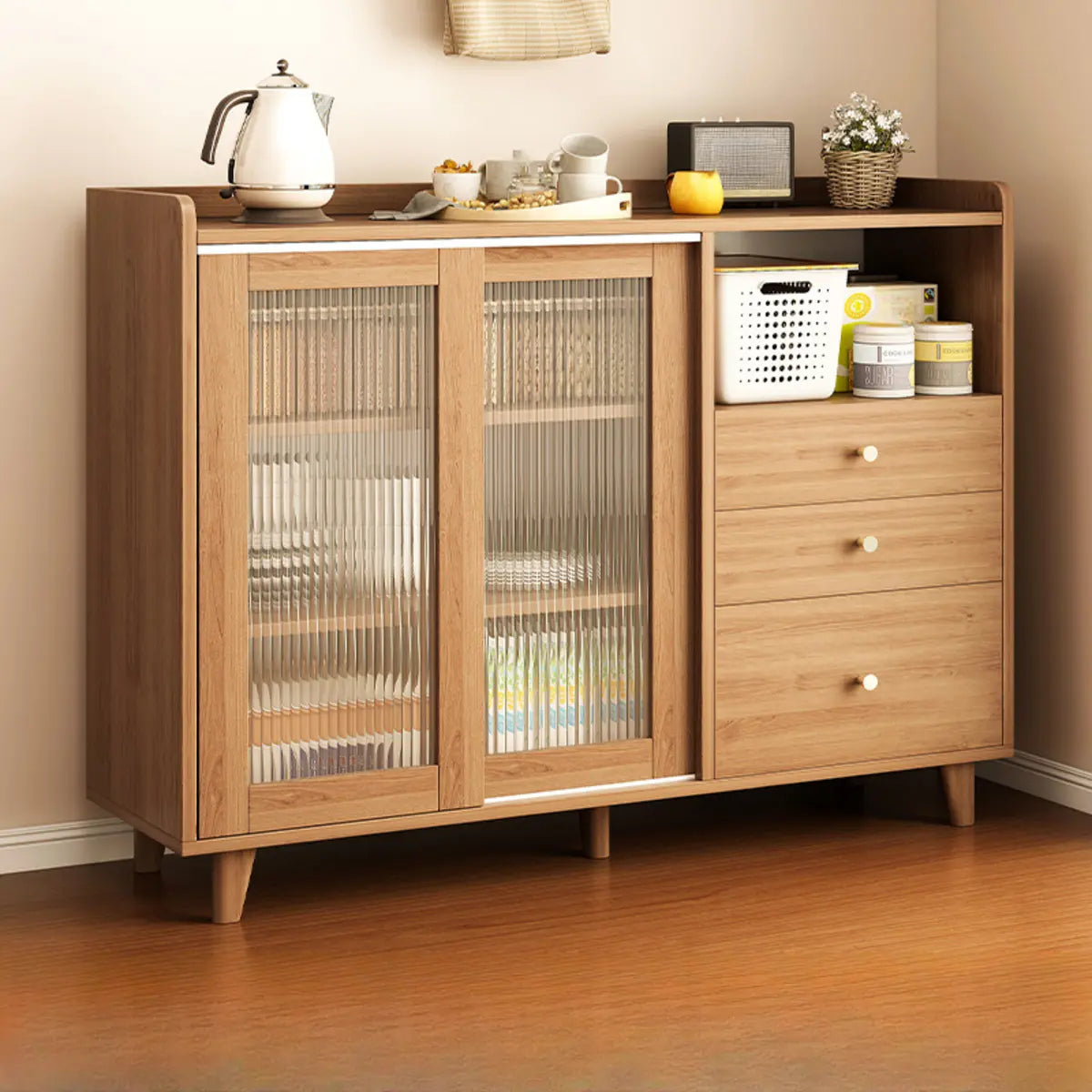
Nut-Brown Open Sideboard with Drawers and Shelves
$193.95 -
Natural Wood White Cabinet Shelf Open Sideboard
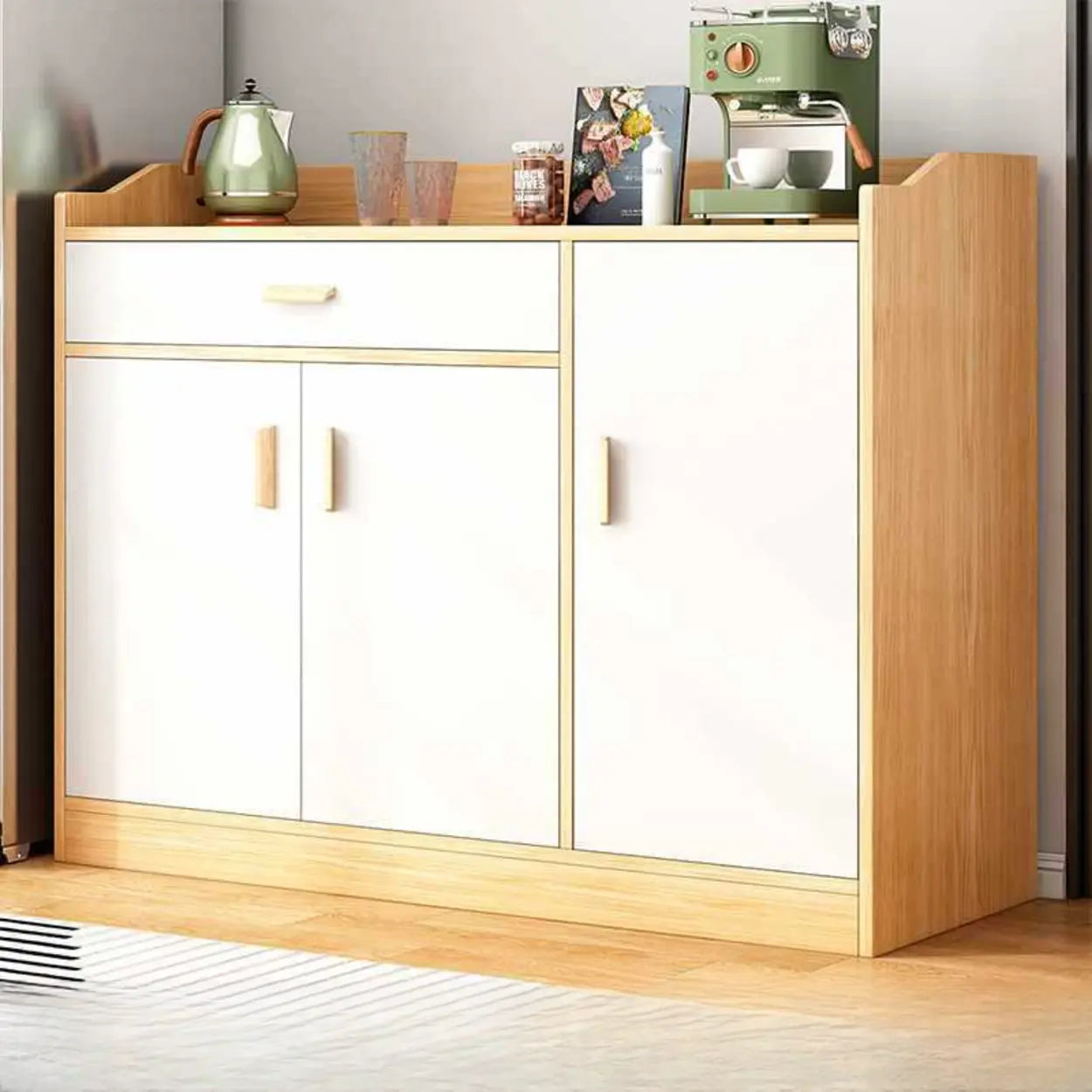
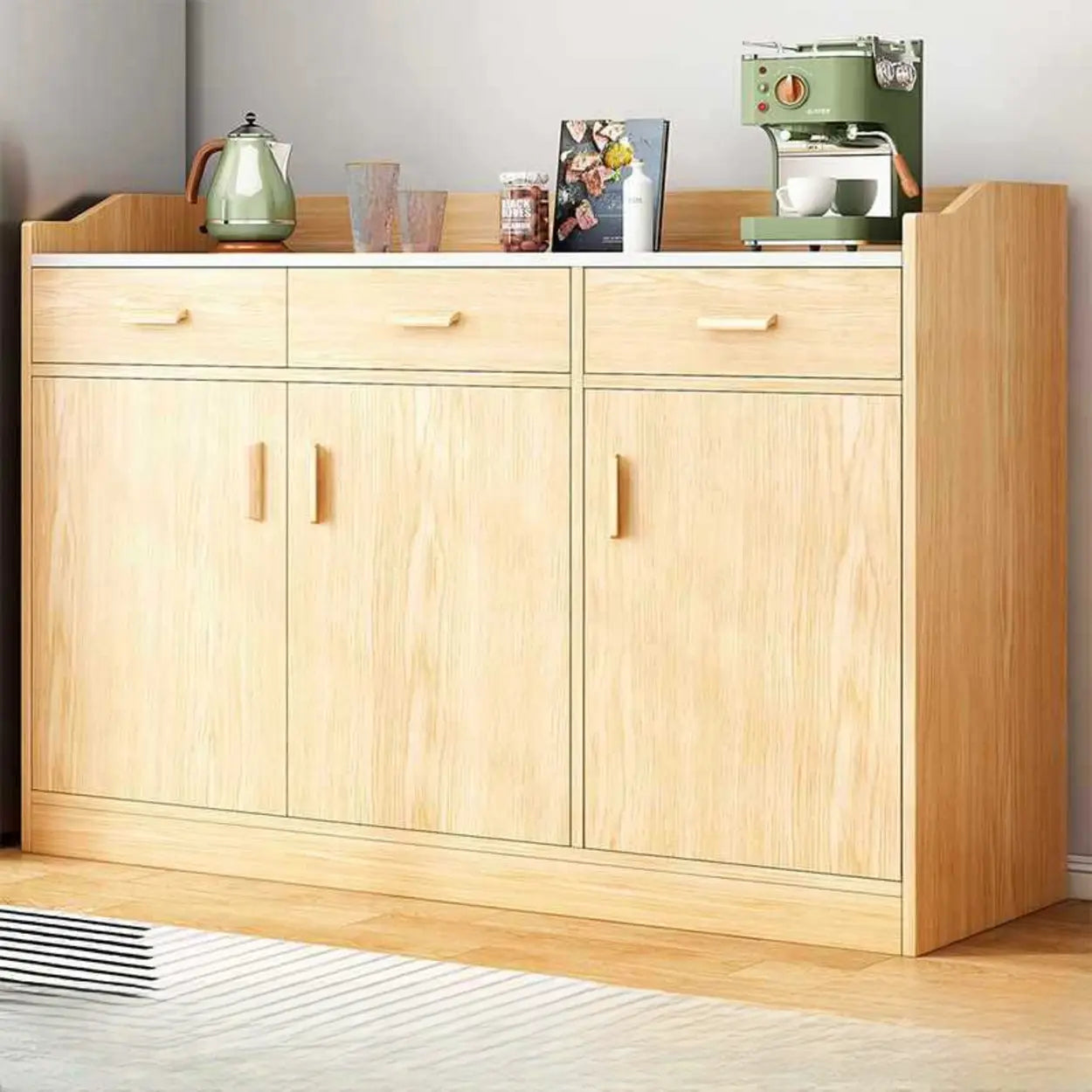
Natural Wood White Cabinet Shelf Open Sideboard
$141.95 -
Tall Tan Wood Freestanding Sideboard with Clear Doors
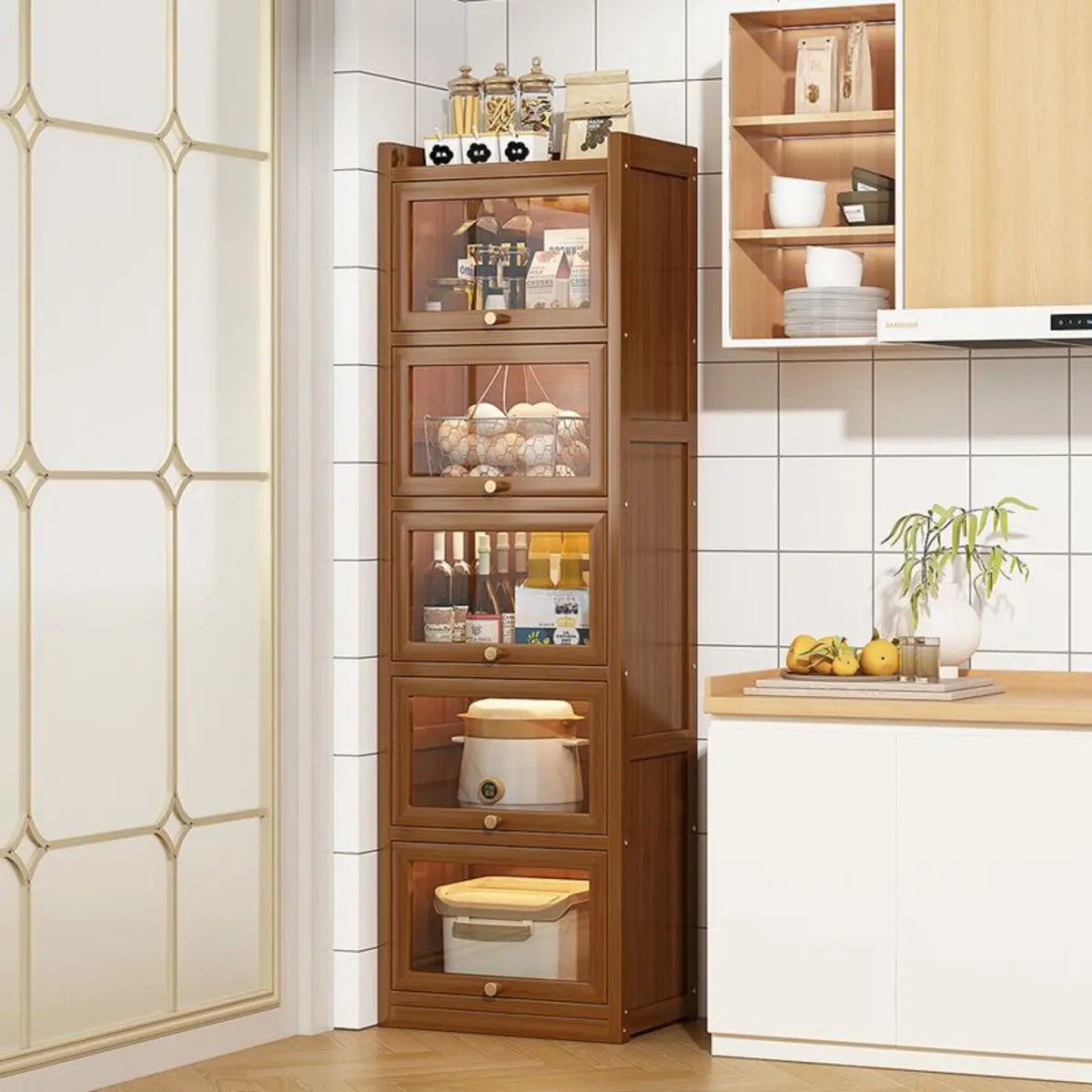
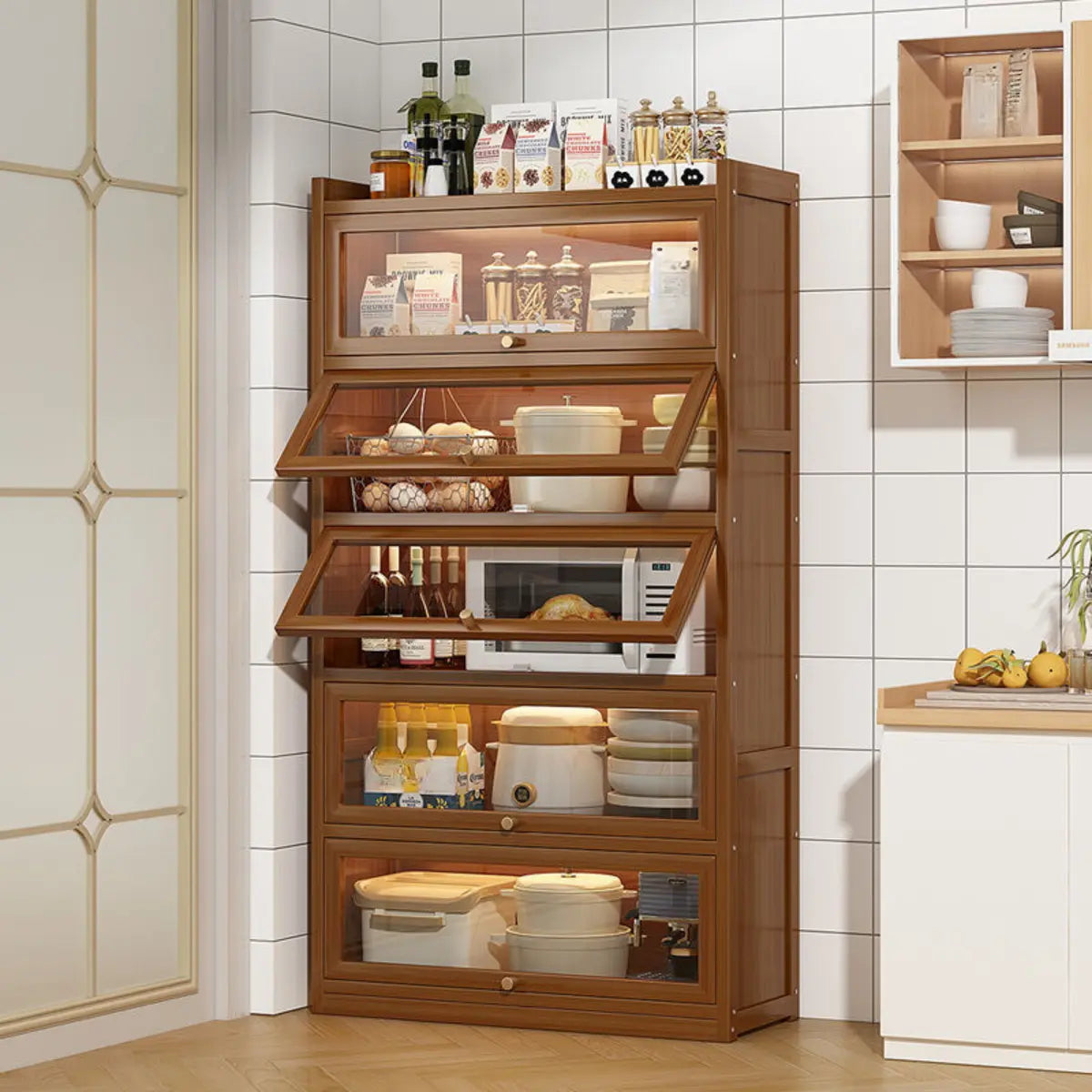
Tall Tan Wood Freestanding Sideboard with Clear Doors
$97.95 -
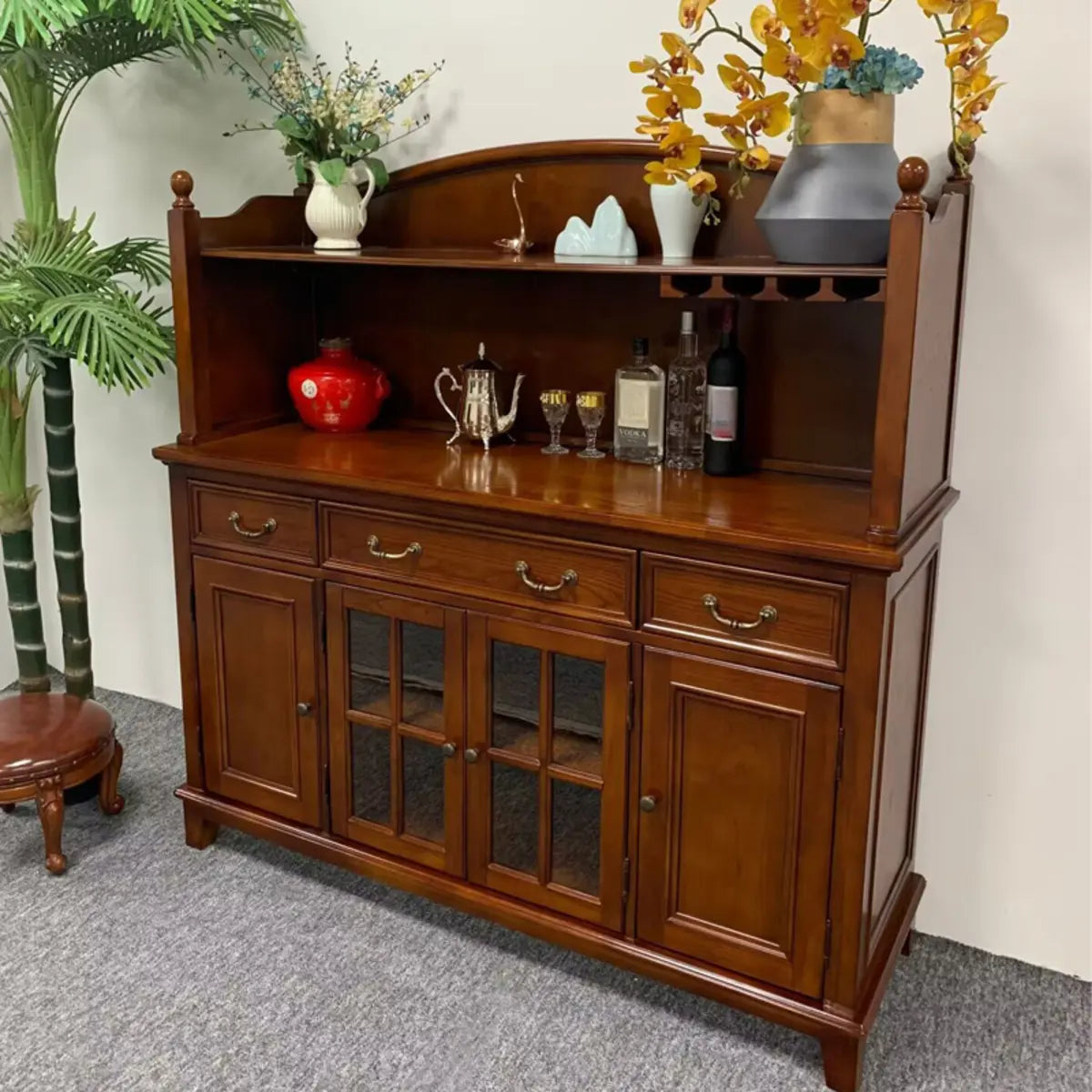
Freestanding Teak Floor Buffet with Shelves and Drawers
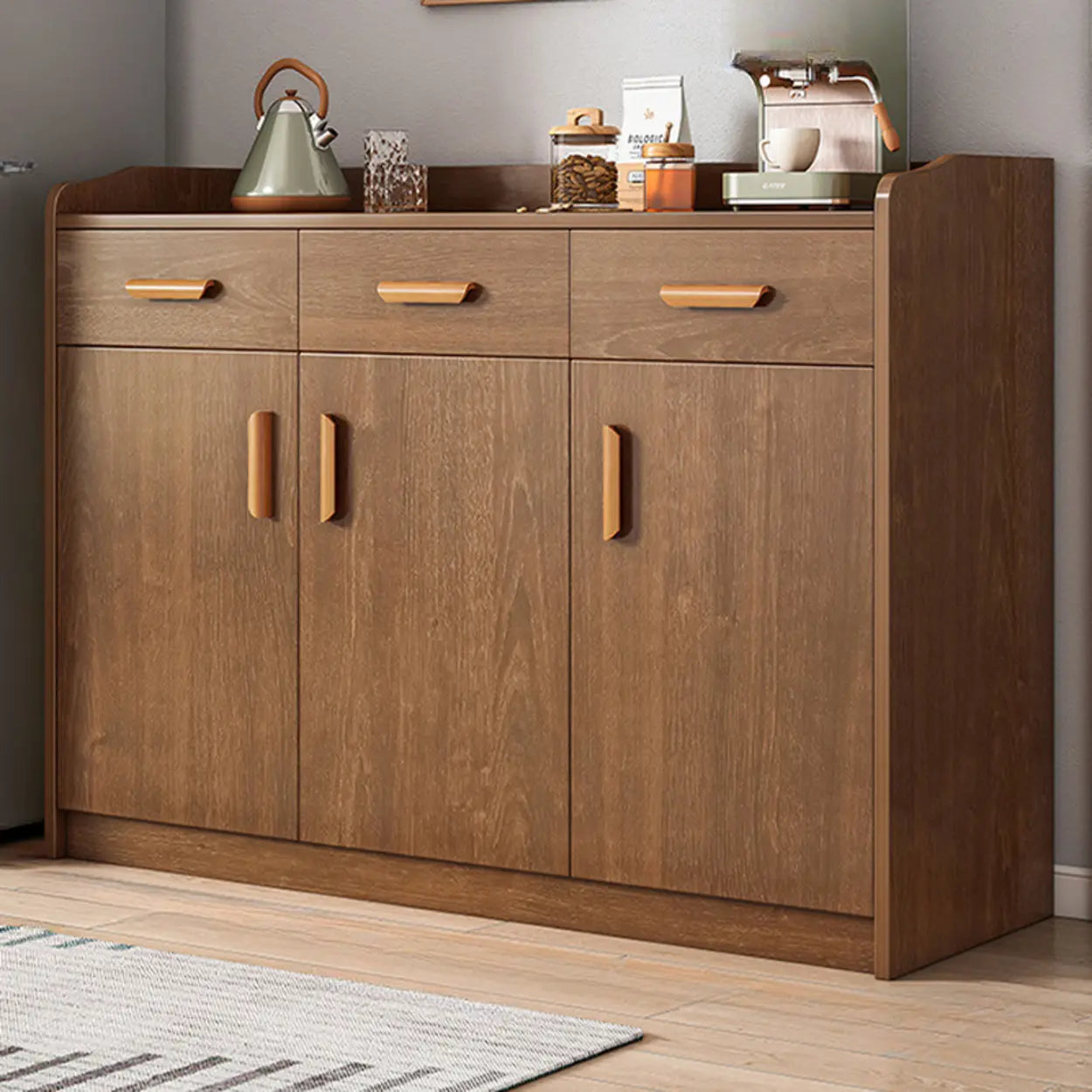
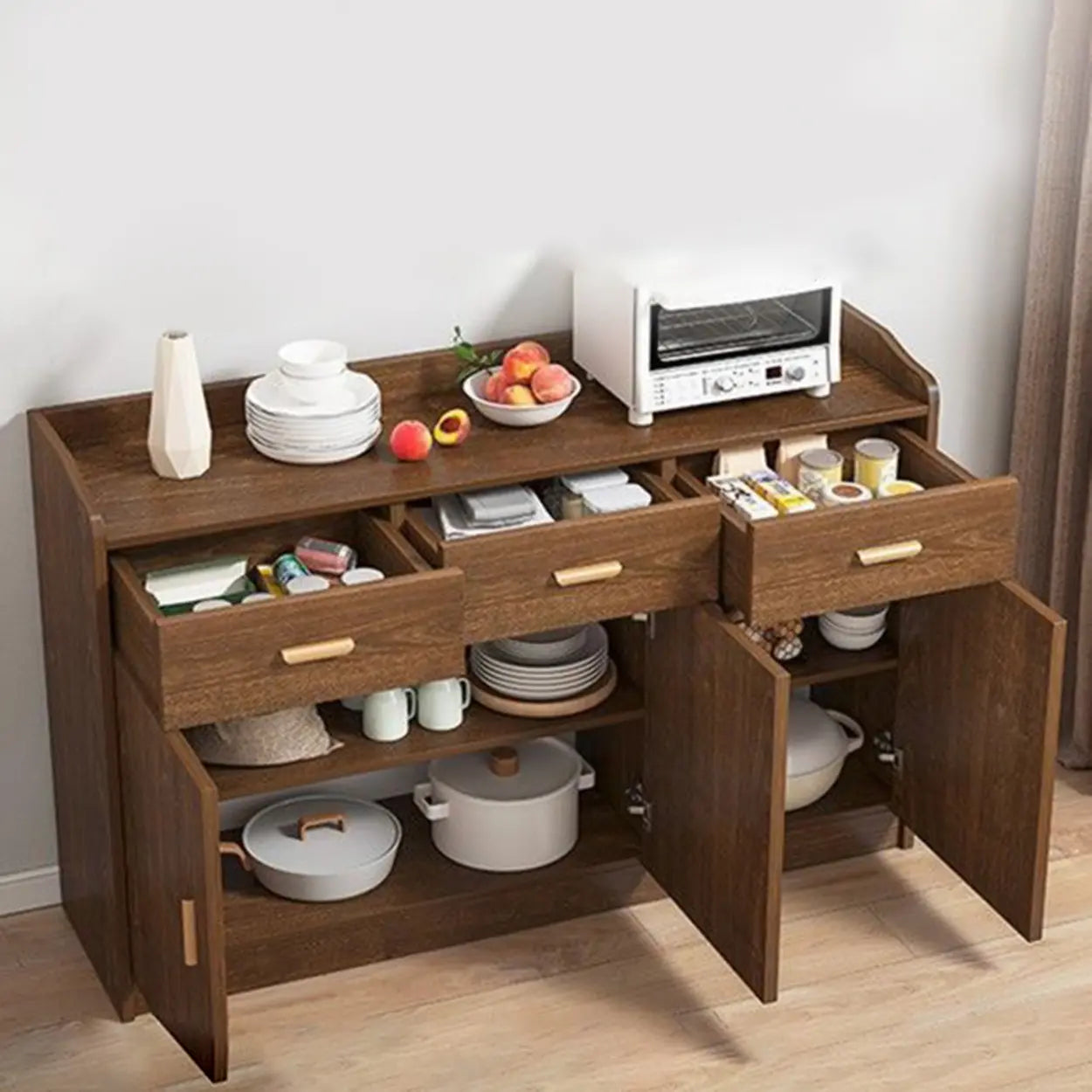
Freestanding Teak Floor Buffet with Shelves and Drawers
$267.95 -
-
-
-
-
Narrow Bamboo Open Buffet with Shelves and Hutch
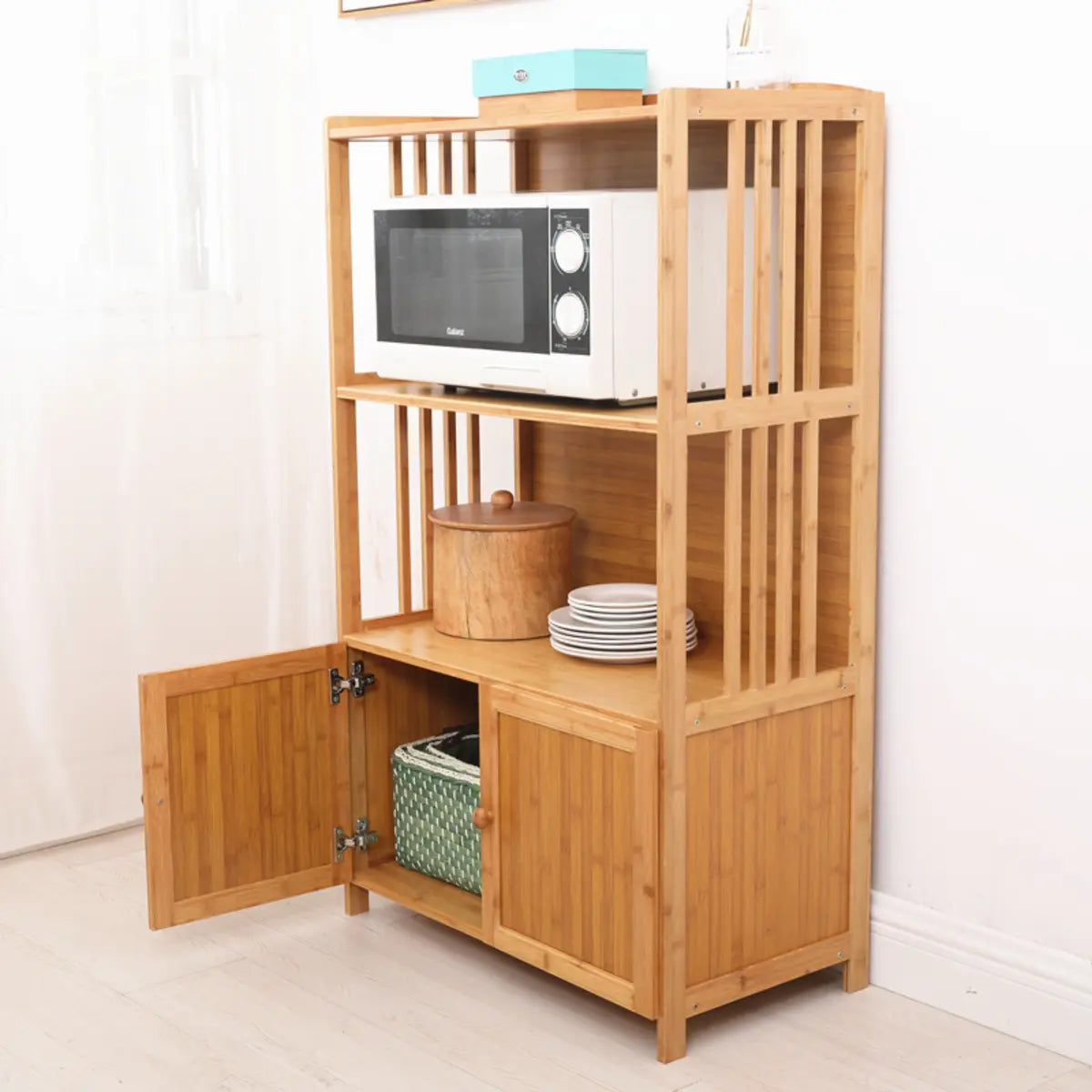
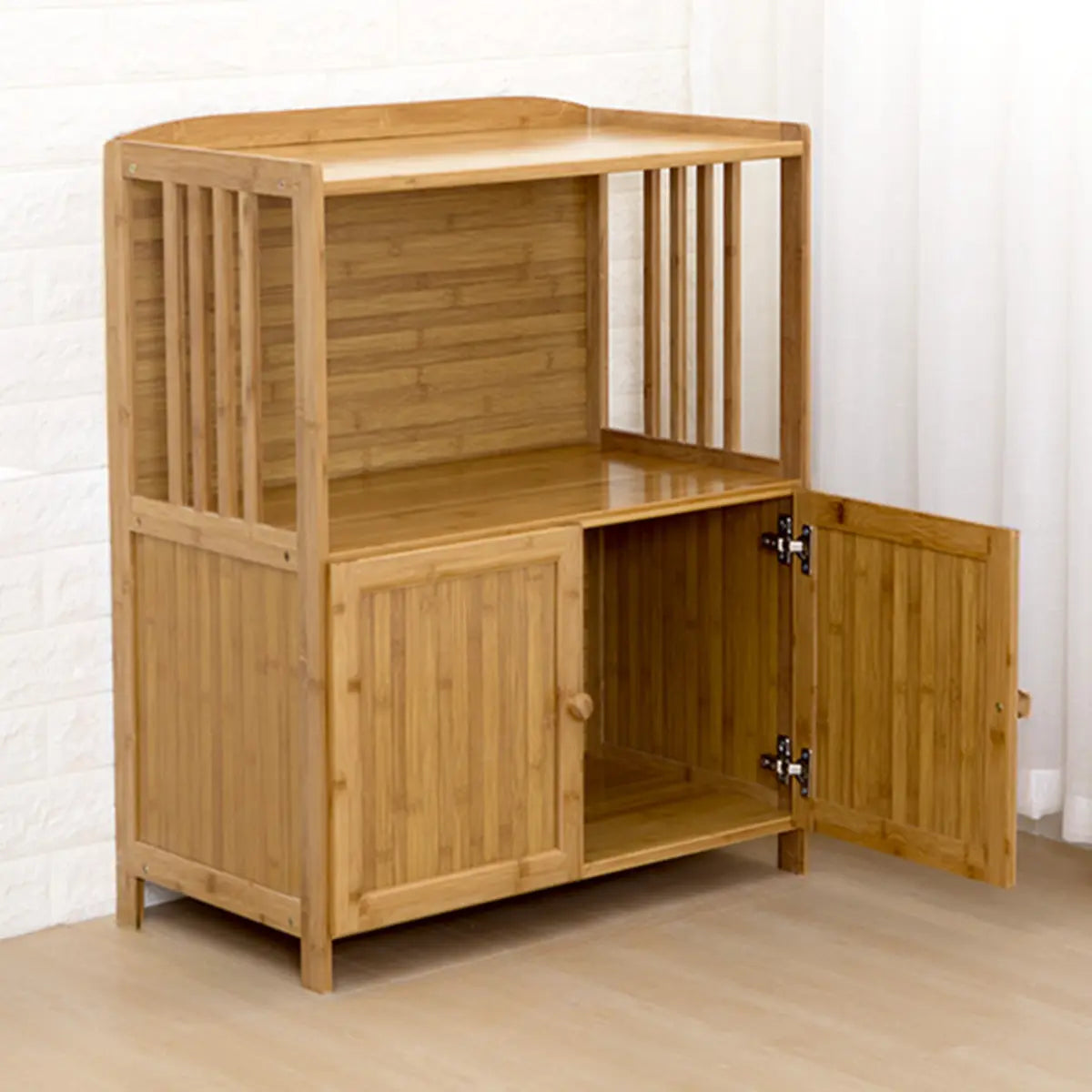
Narrow Bamboo Open Buffet with Shelves and Hutch
$125.95 -
Walnut Brown Large Sideboard with Storage and Shelves
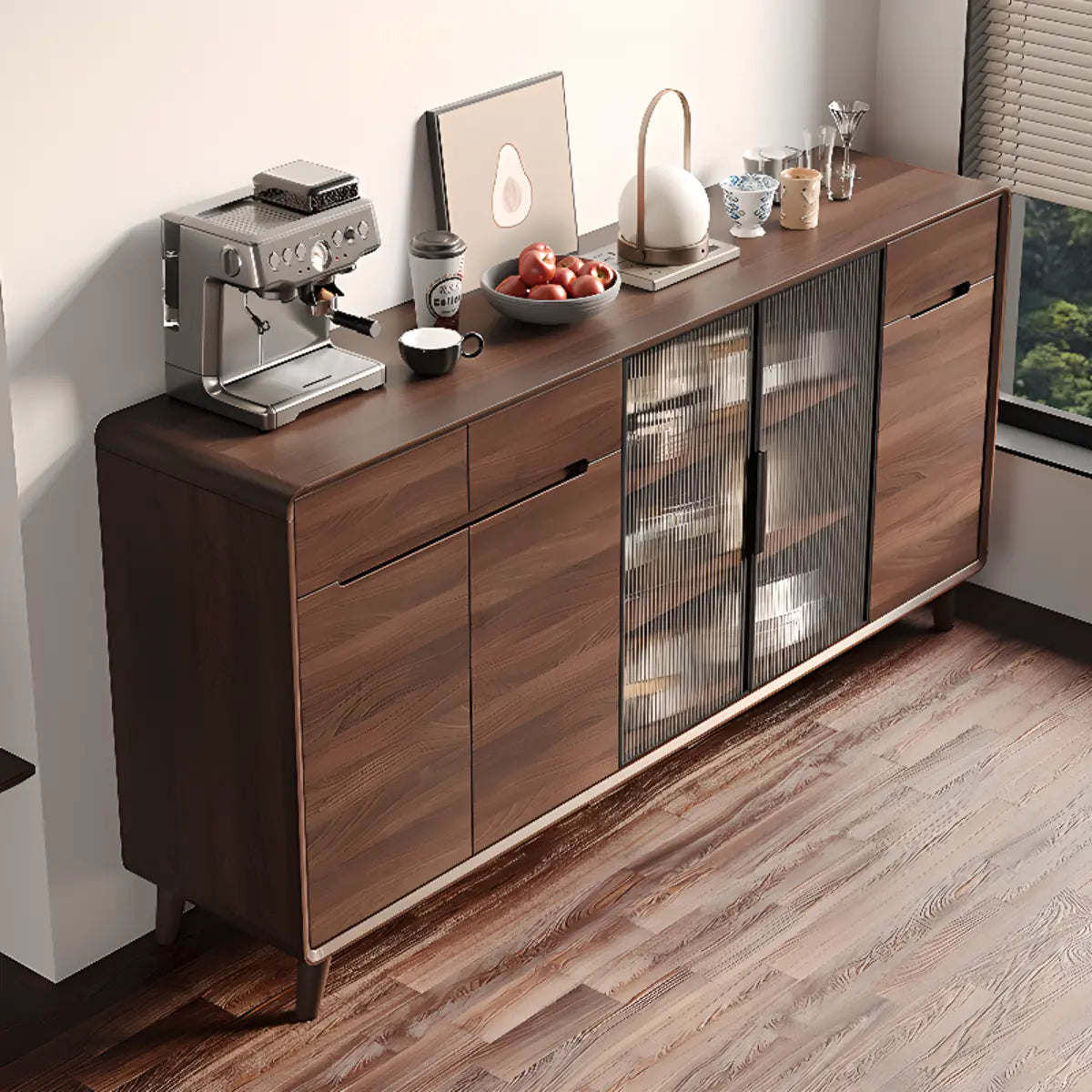
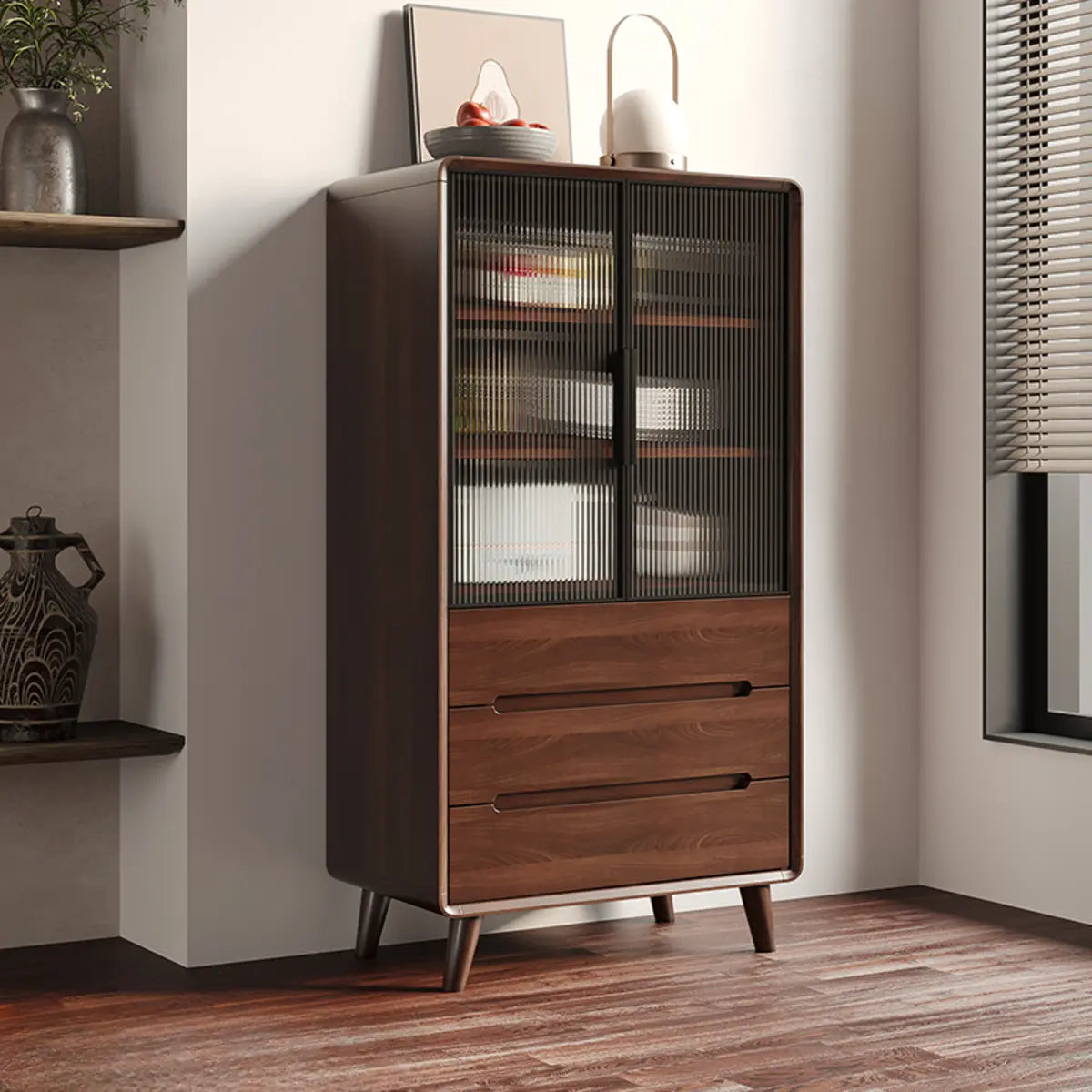
Walnut Brown Large Sideboard with Storage and Shelves
$543.95 -
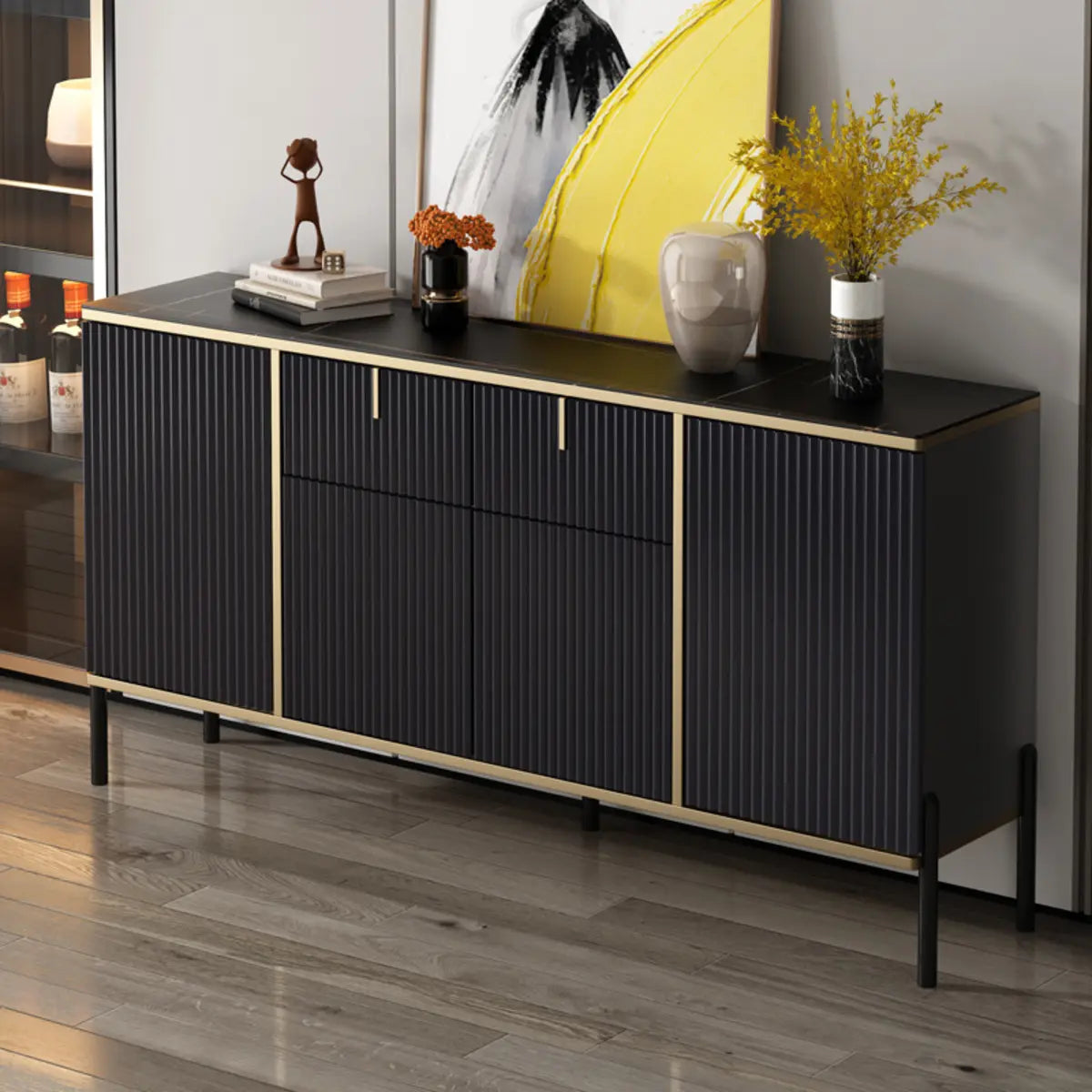
Rectangular Walnut Faux Marble Large Sideboard
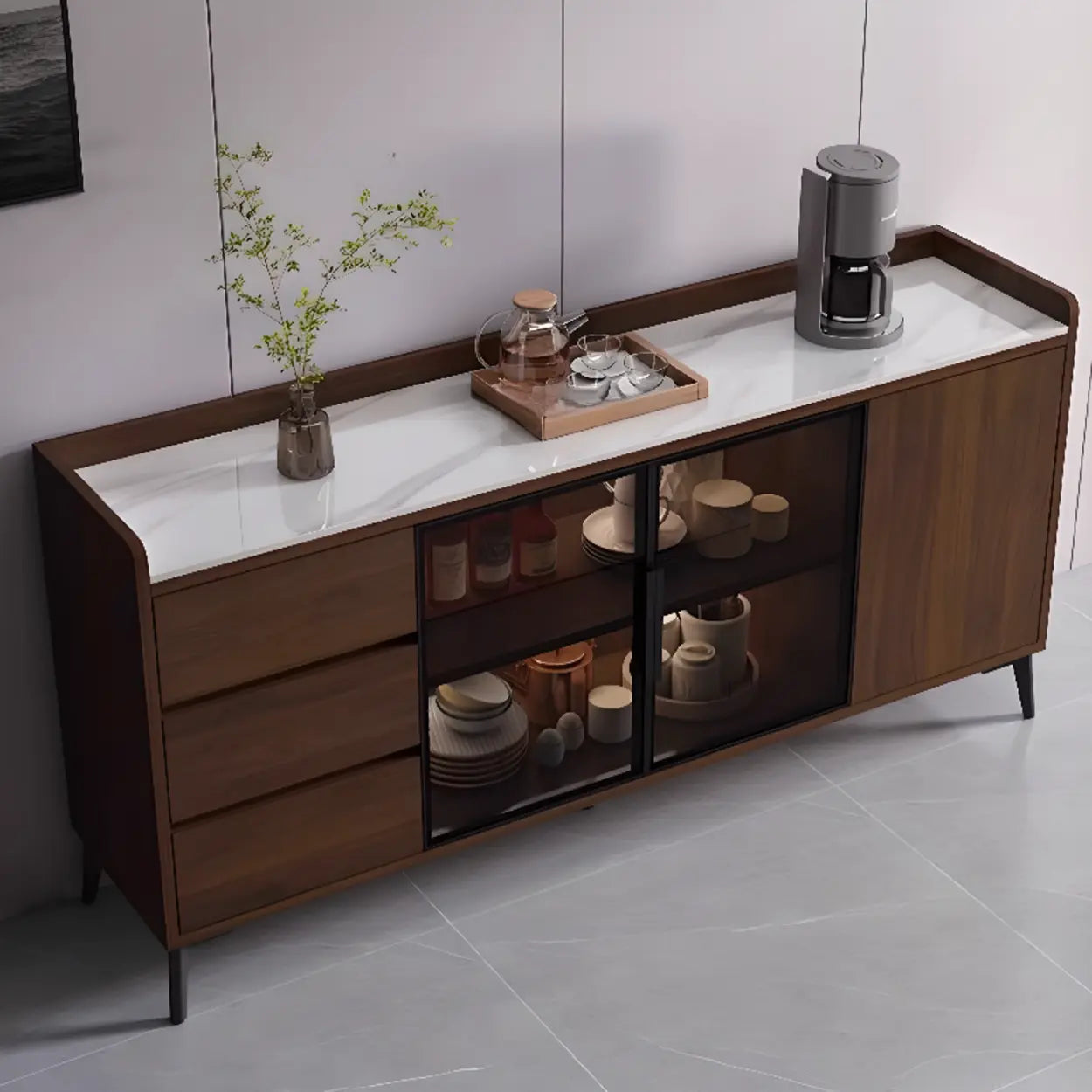
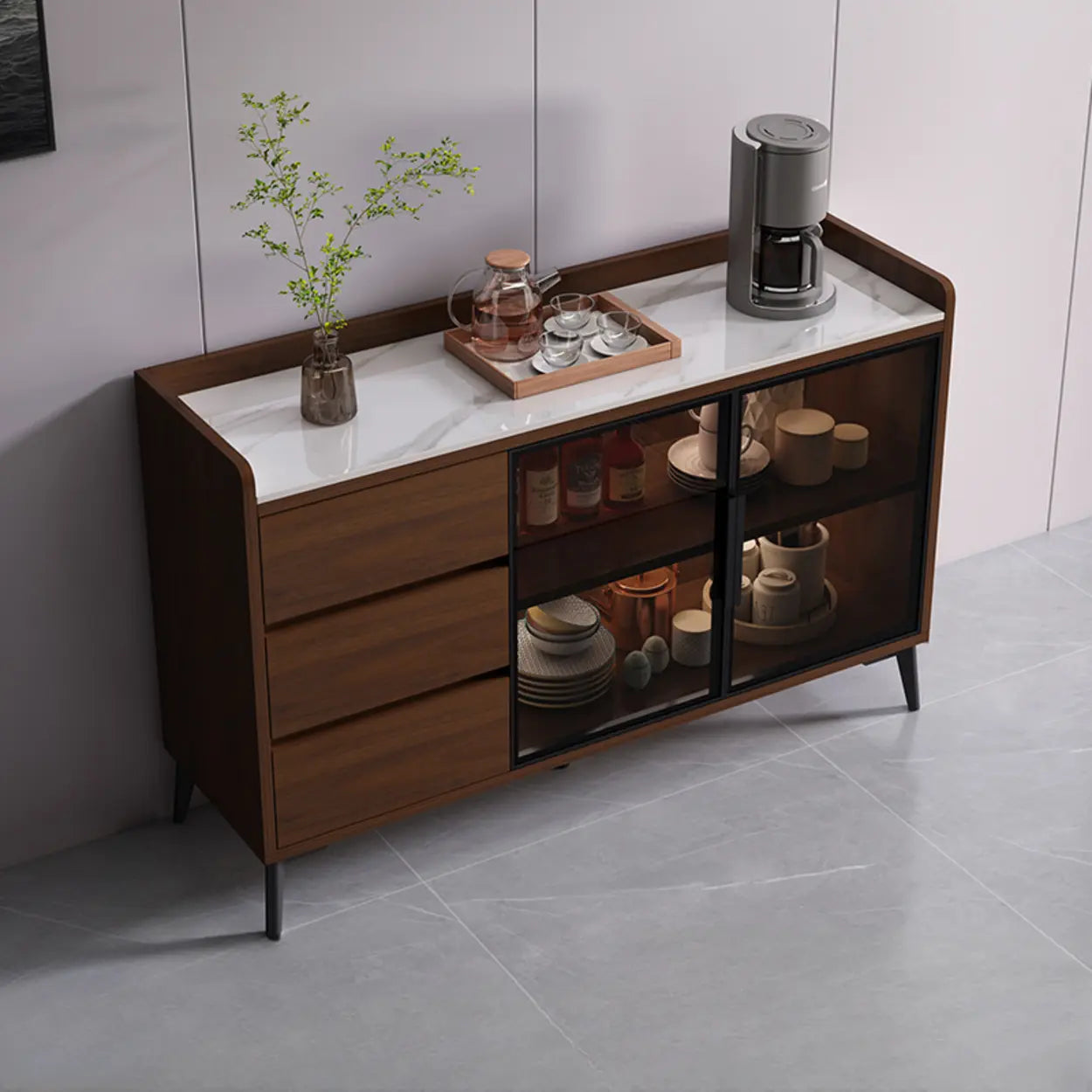
Rectangular Walnut Faux Marble Large Sideboard
$1,142.95 -
Wood Slab Cabinet Brown Shelf Large Open Buffet
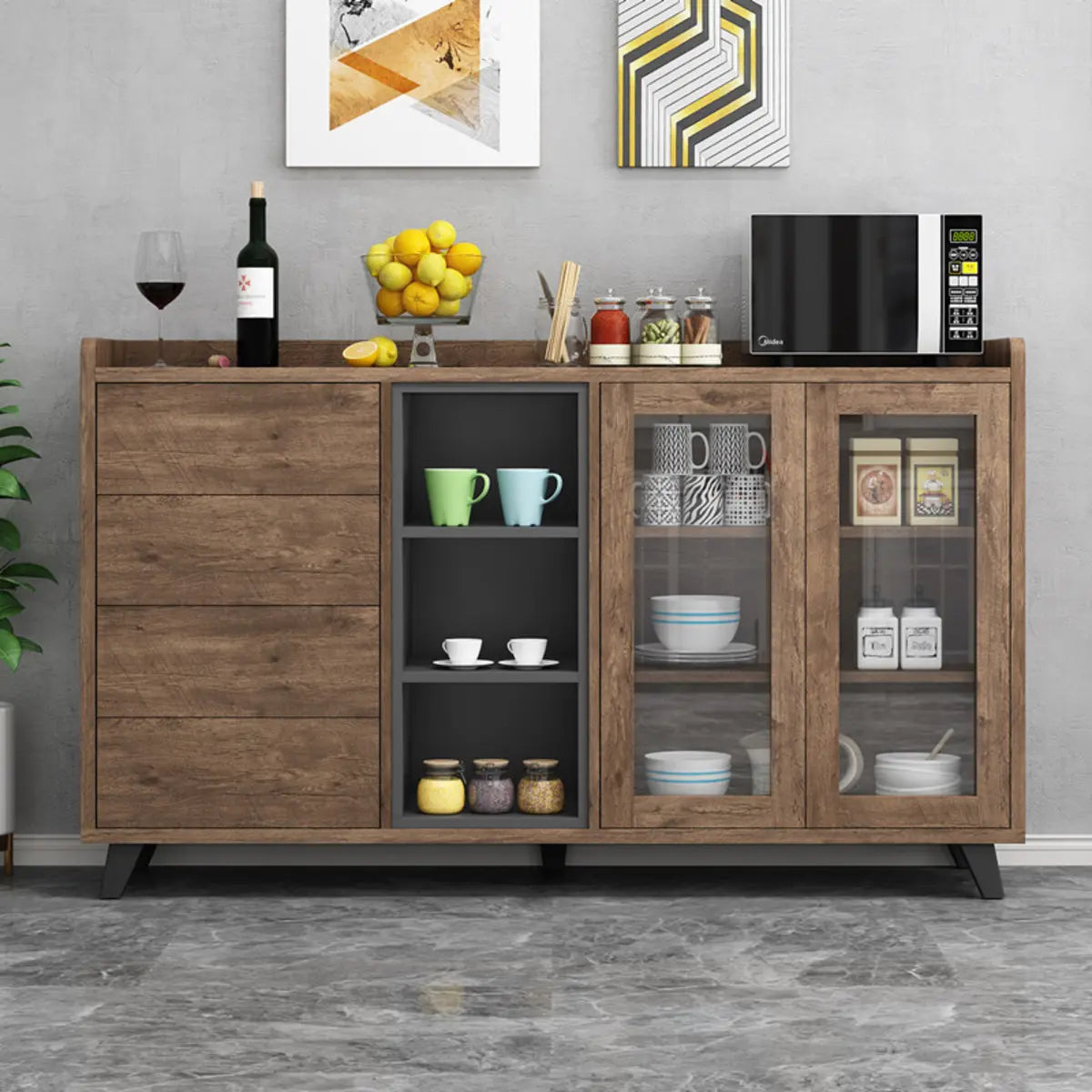
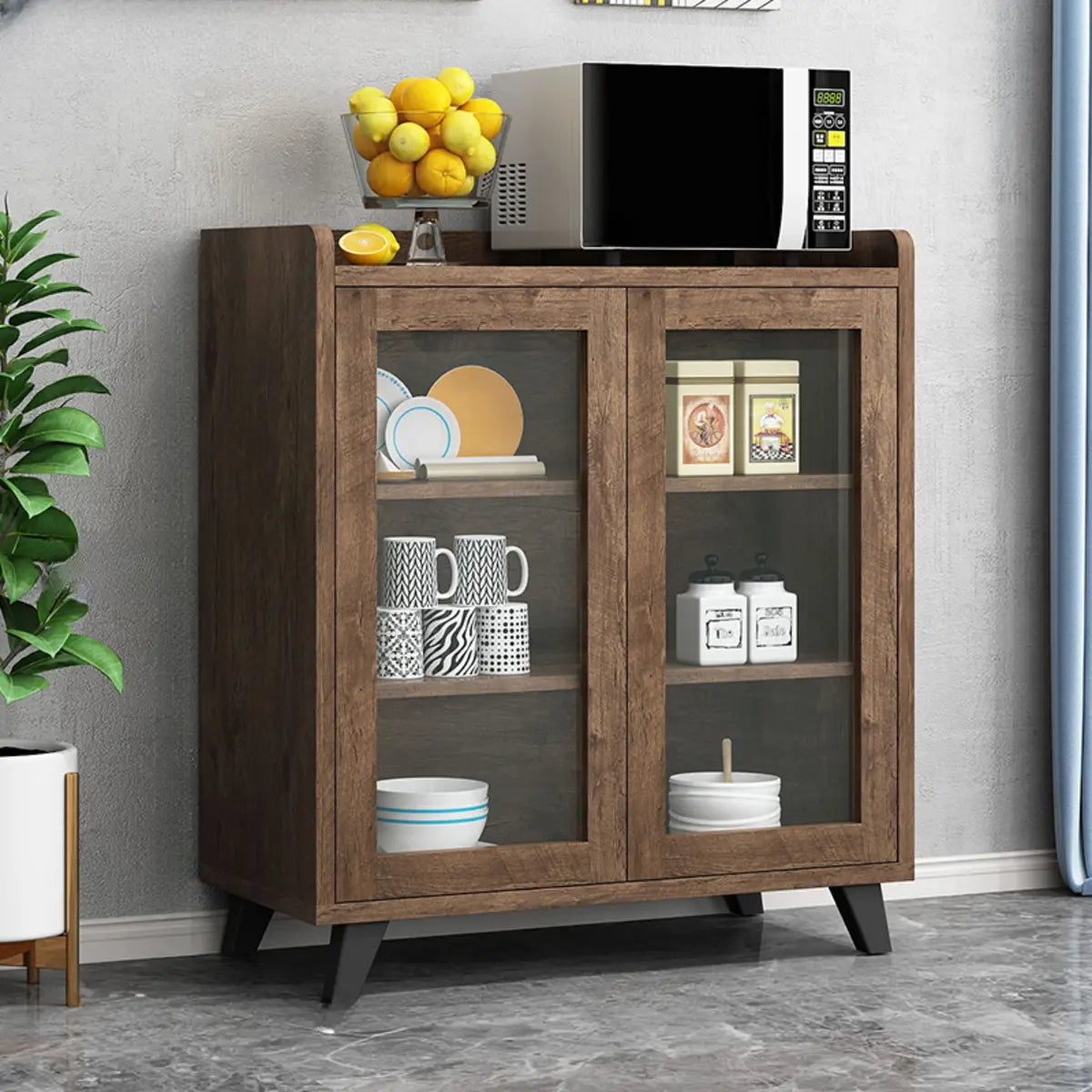
Wood Slab Cabinet Brown Shelf Large Open Buffet
$343.95 -
-
Wood Brown Glass Door Freestanding Floor Buffet
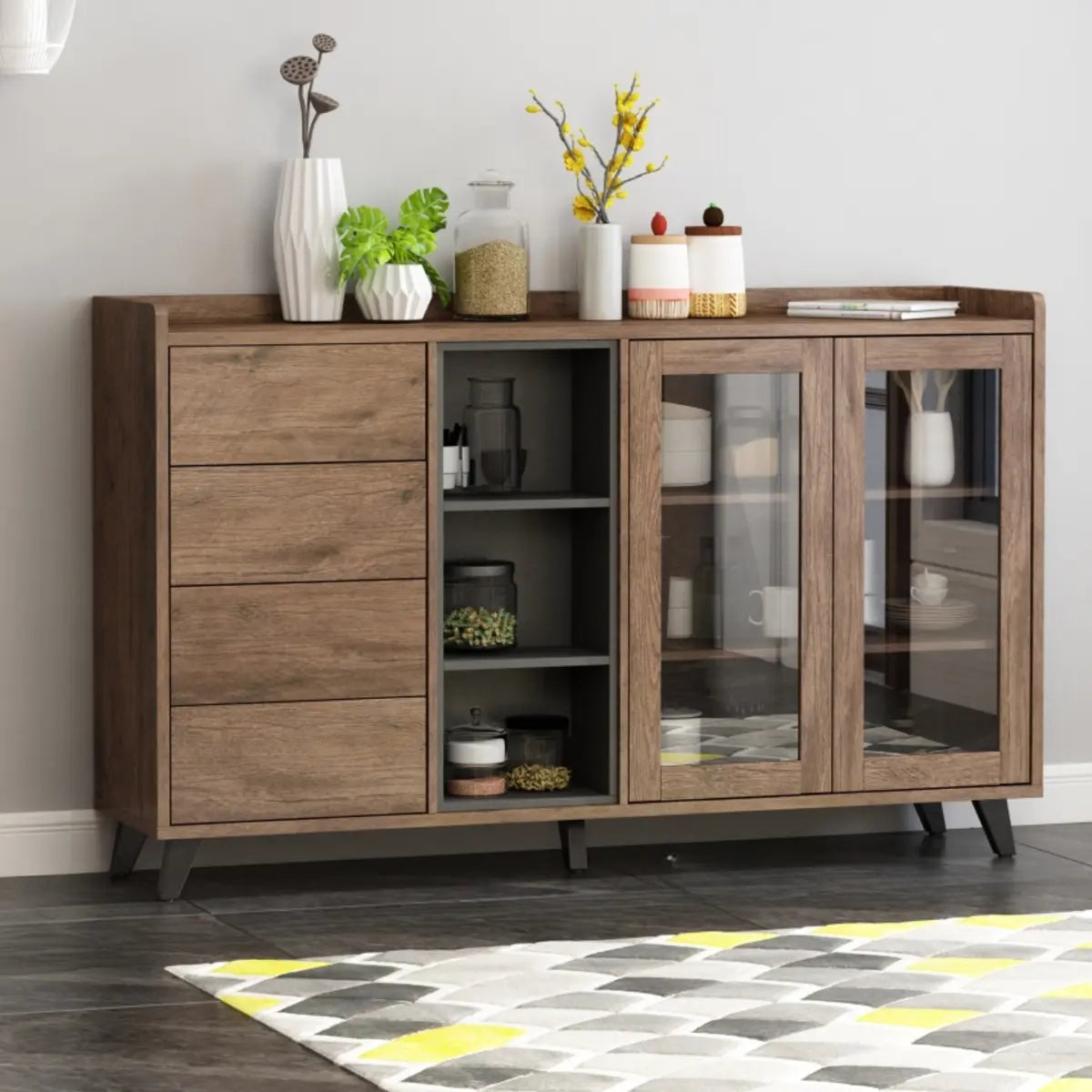
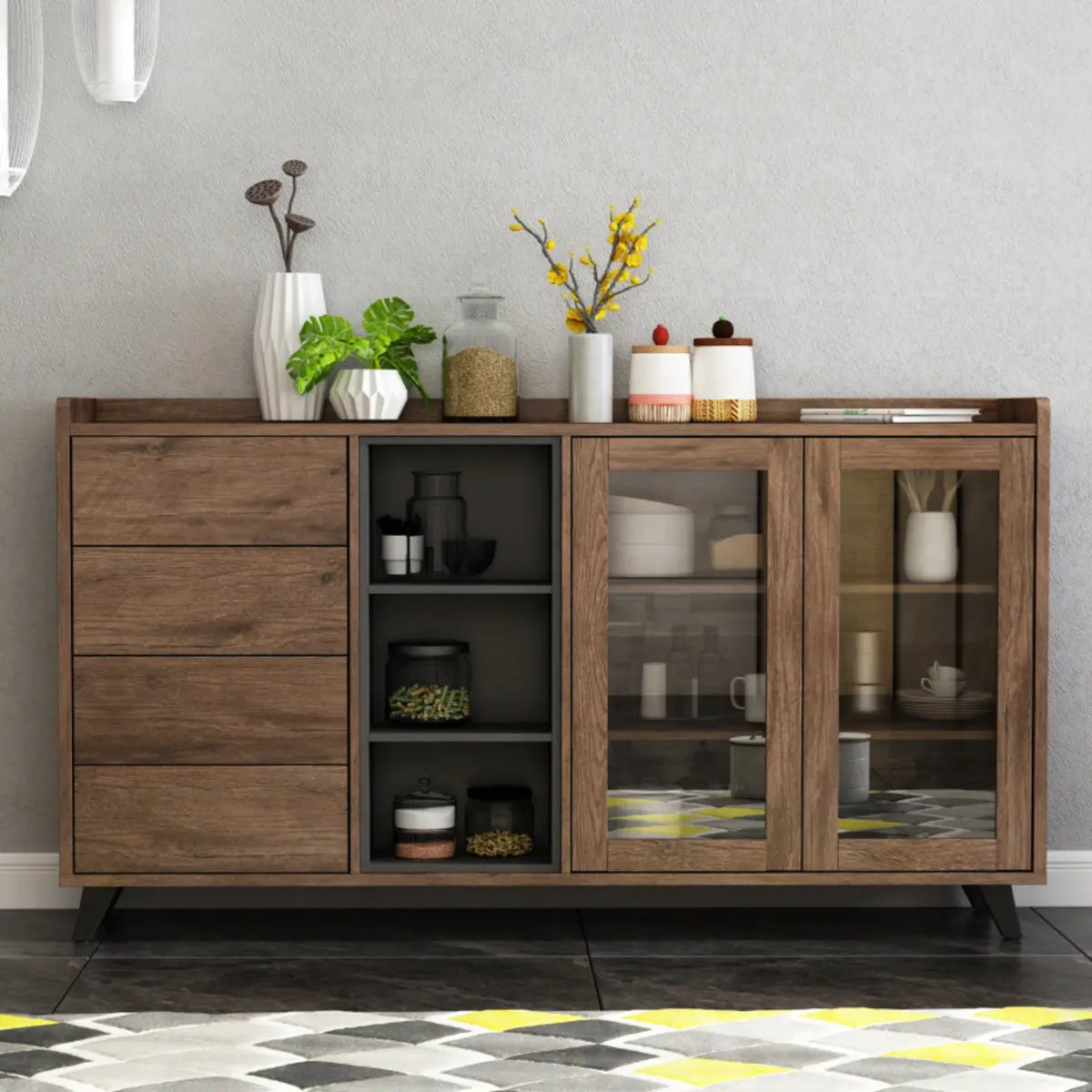
Wood Brown Glass Door Freestanding Floor Buffet
$706.95 -
Black Metal Cabinet Shelf Buffet with Glass Doors
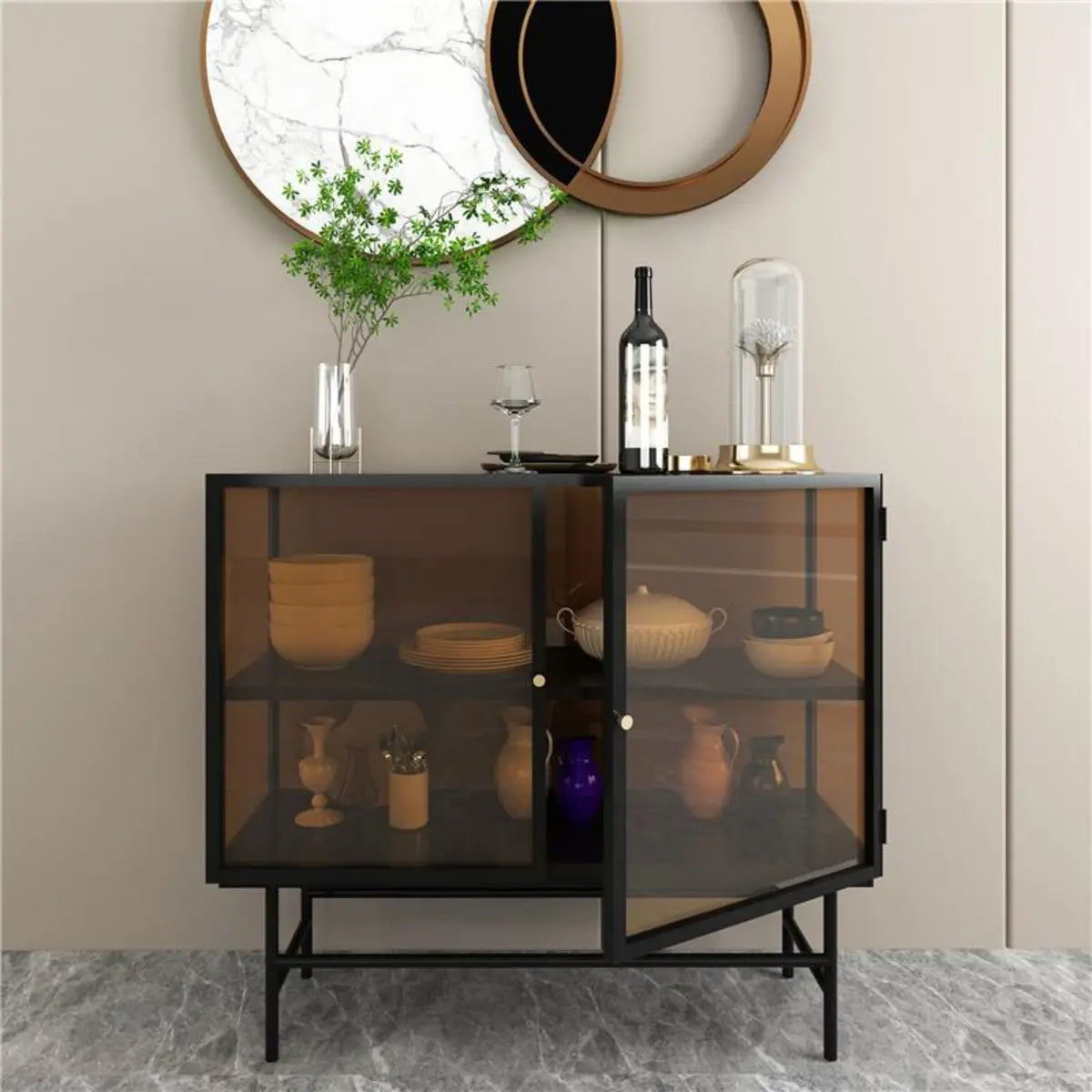
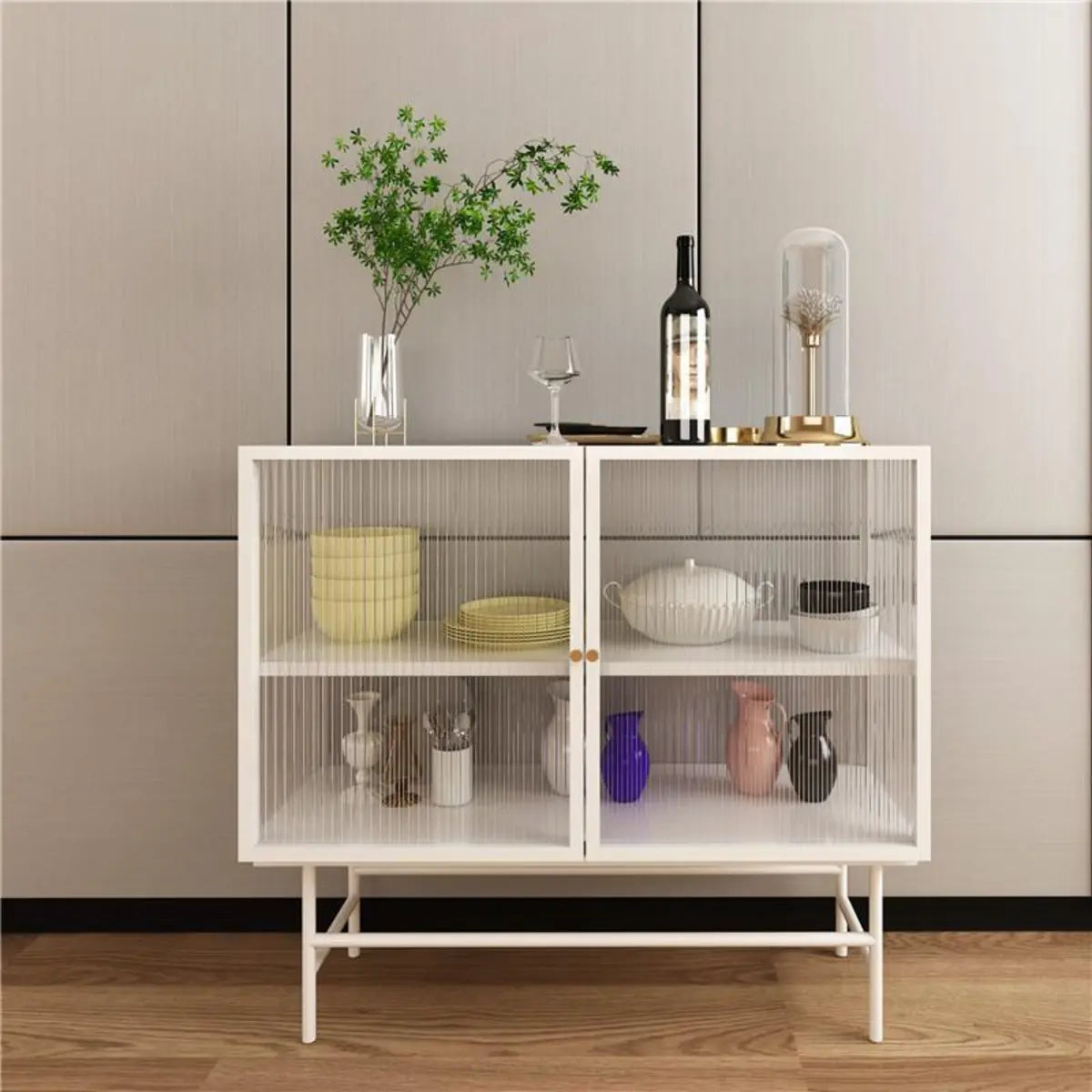
Black Metal Cabinet Shelf Buffet with Glass Doors
$914.95 -
-
-
White Metal Cabinet Sideboard with Clear Glass Doors
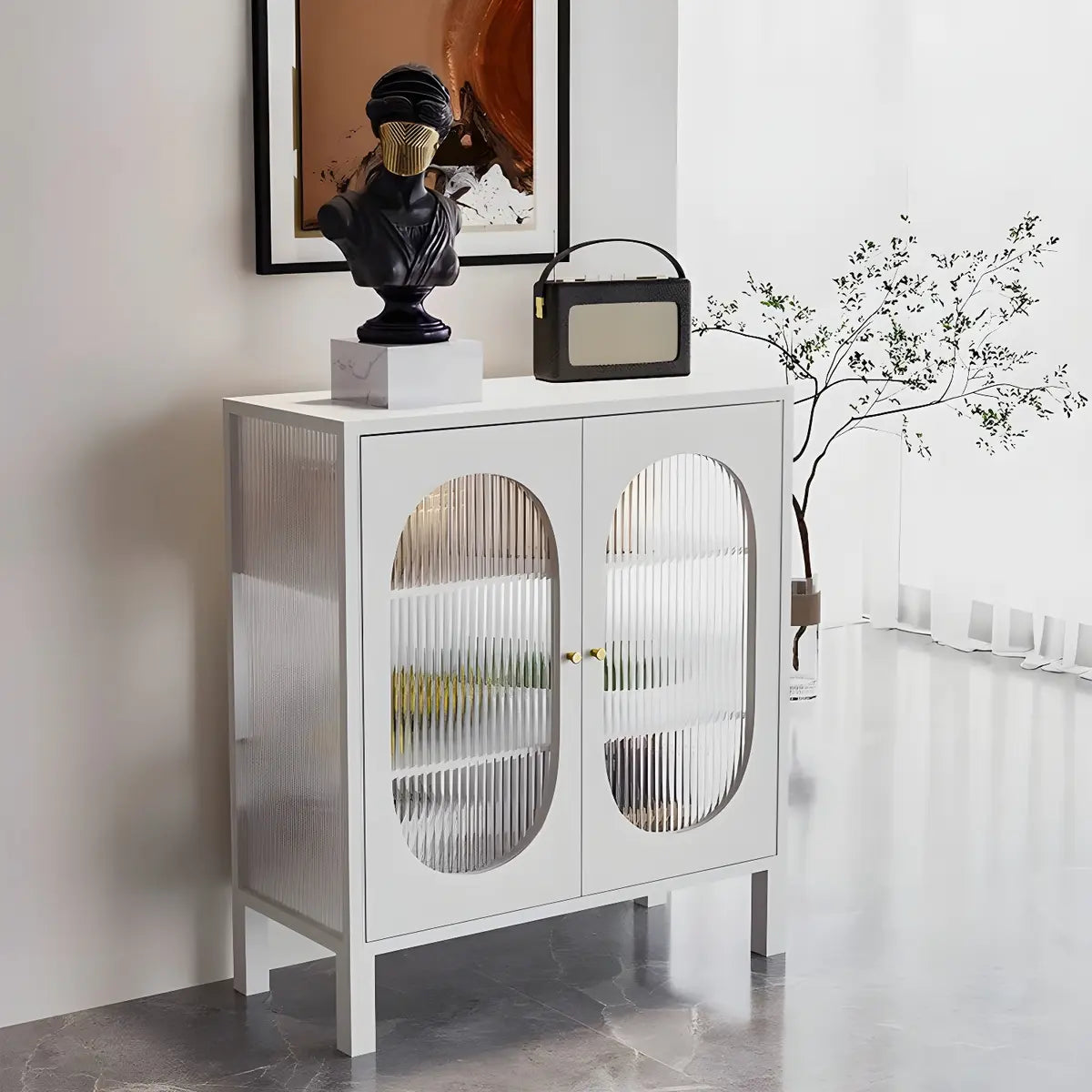
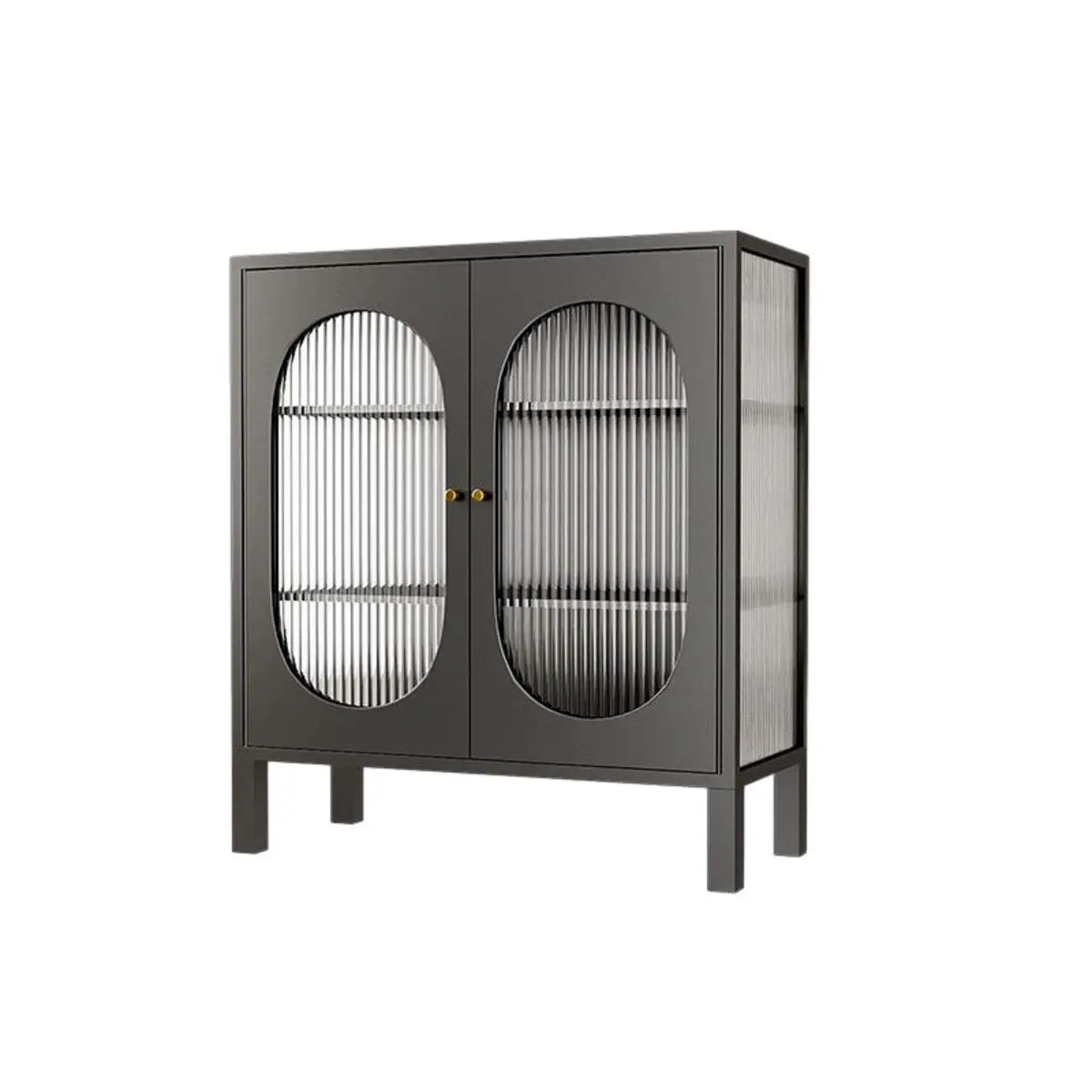
White Metal Cabinet Sideboard with Clear Glass Doors
$981.95 -
-
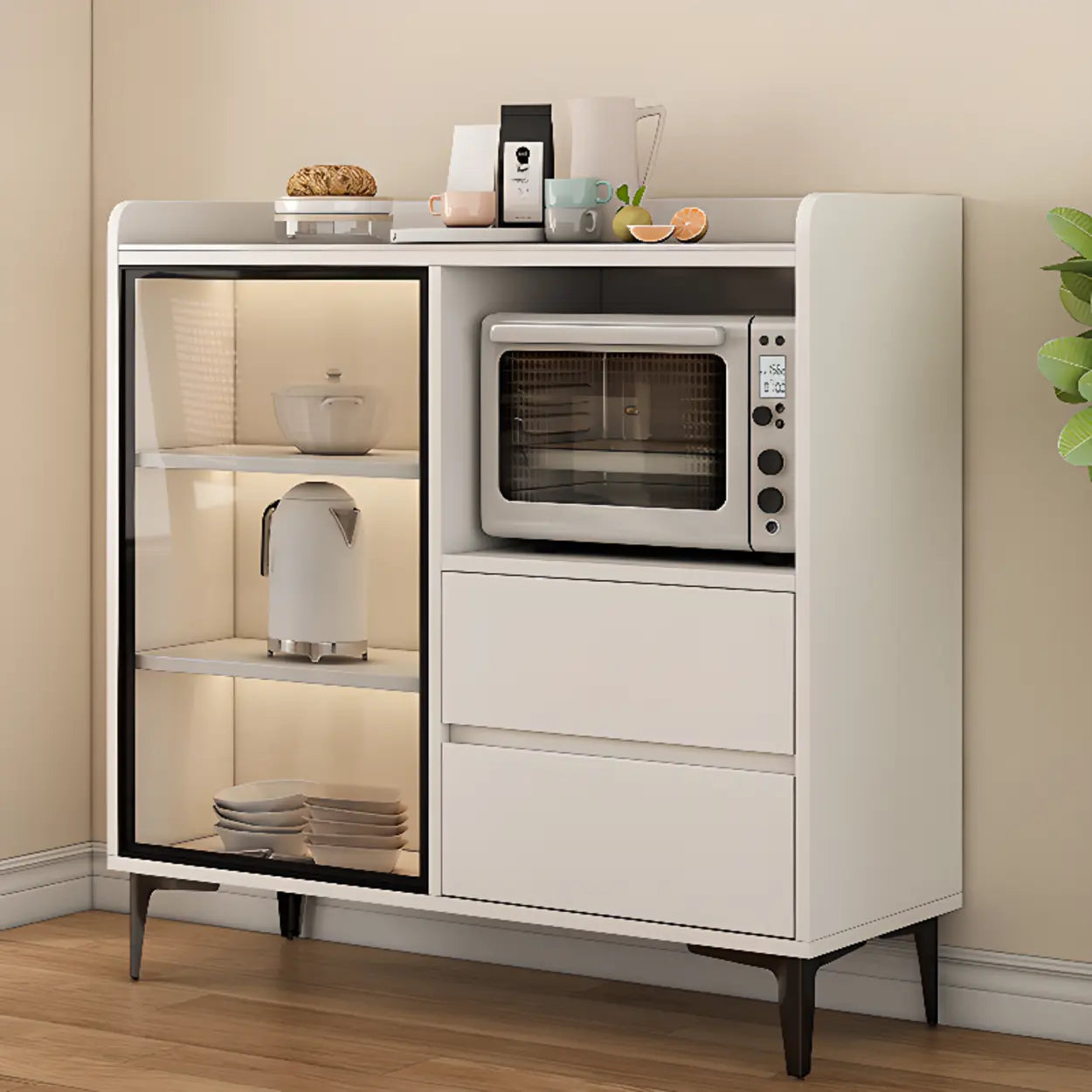
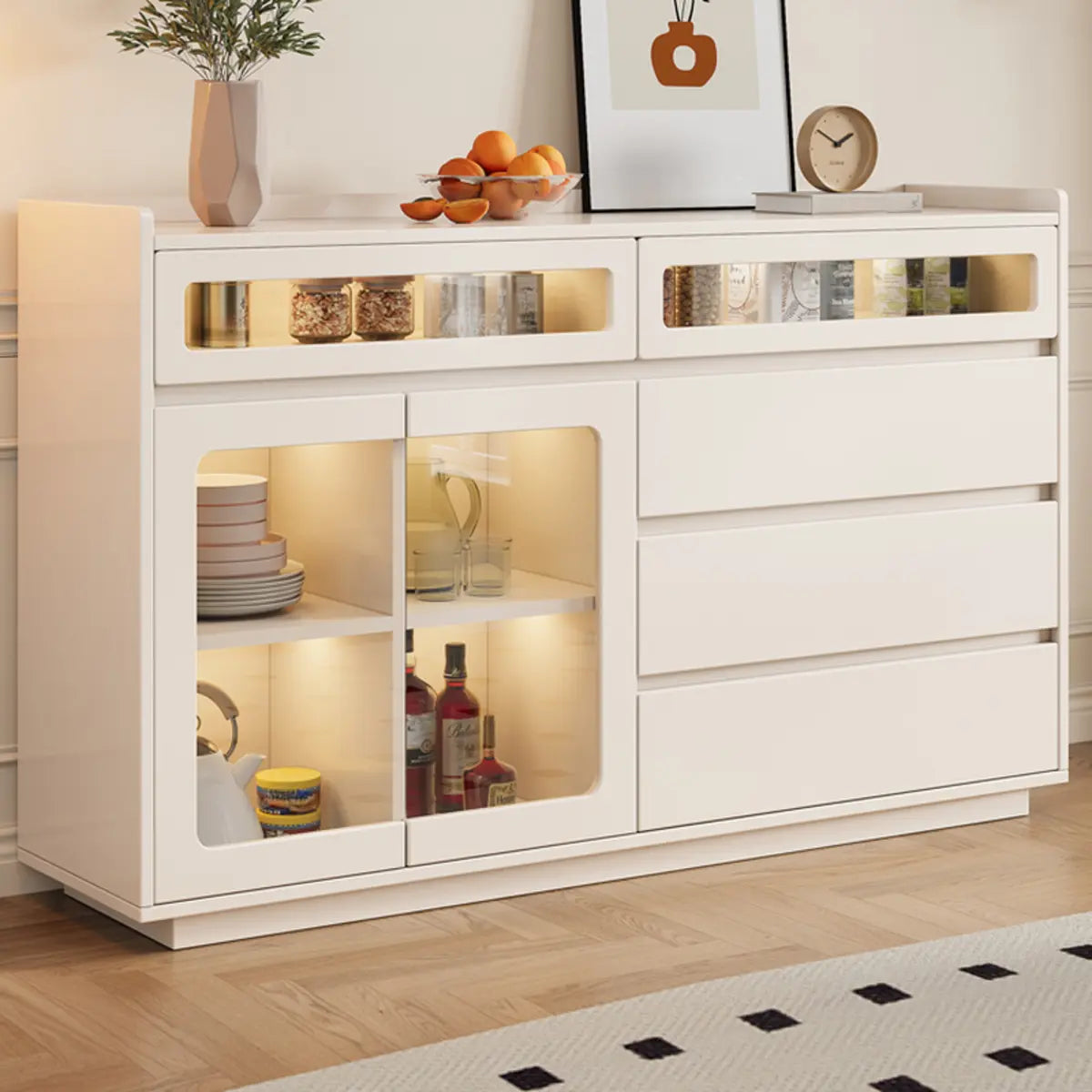
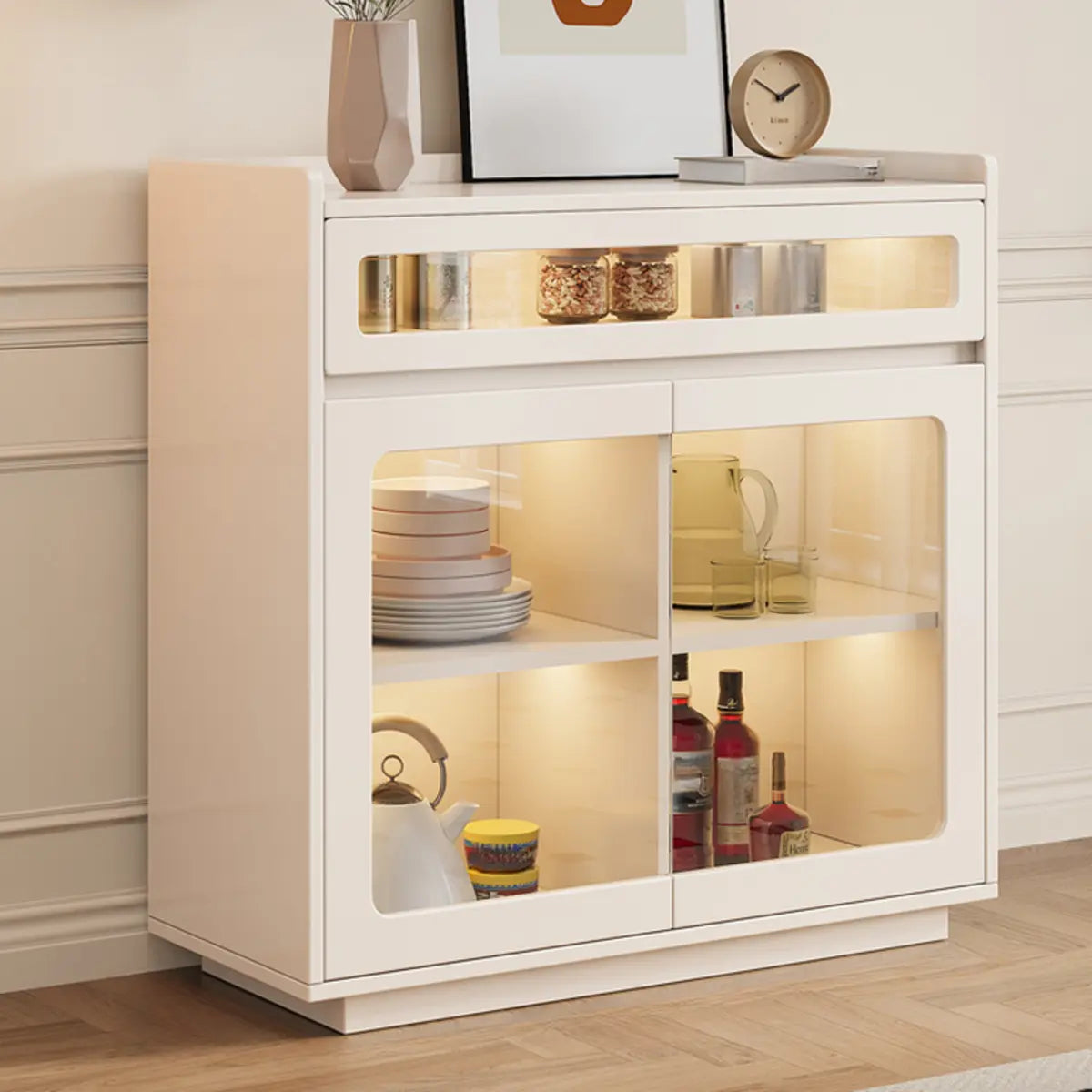
White Wood Narrow Shelf Glass Sideboard with Lighting
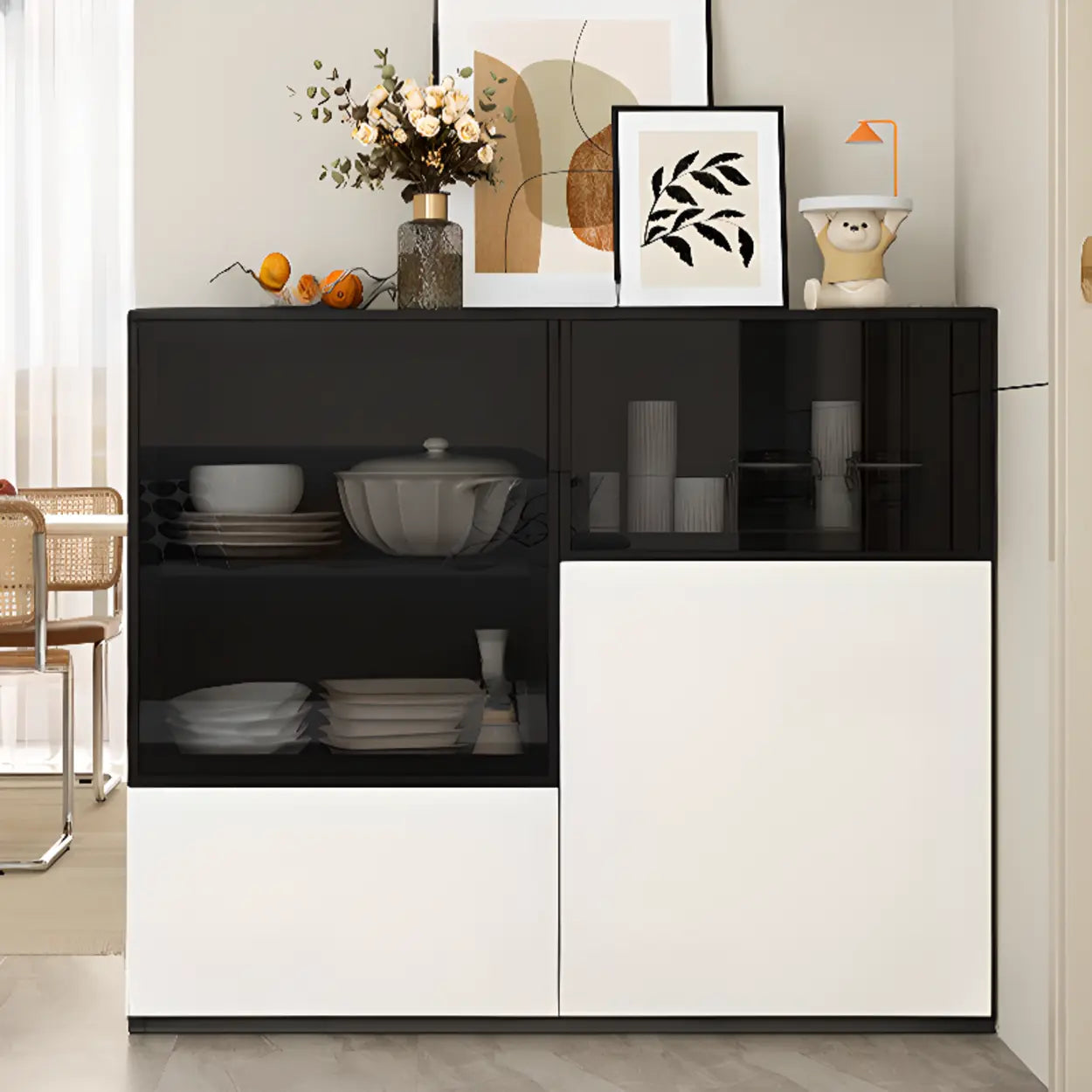
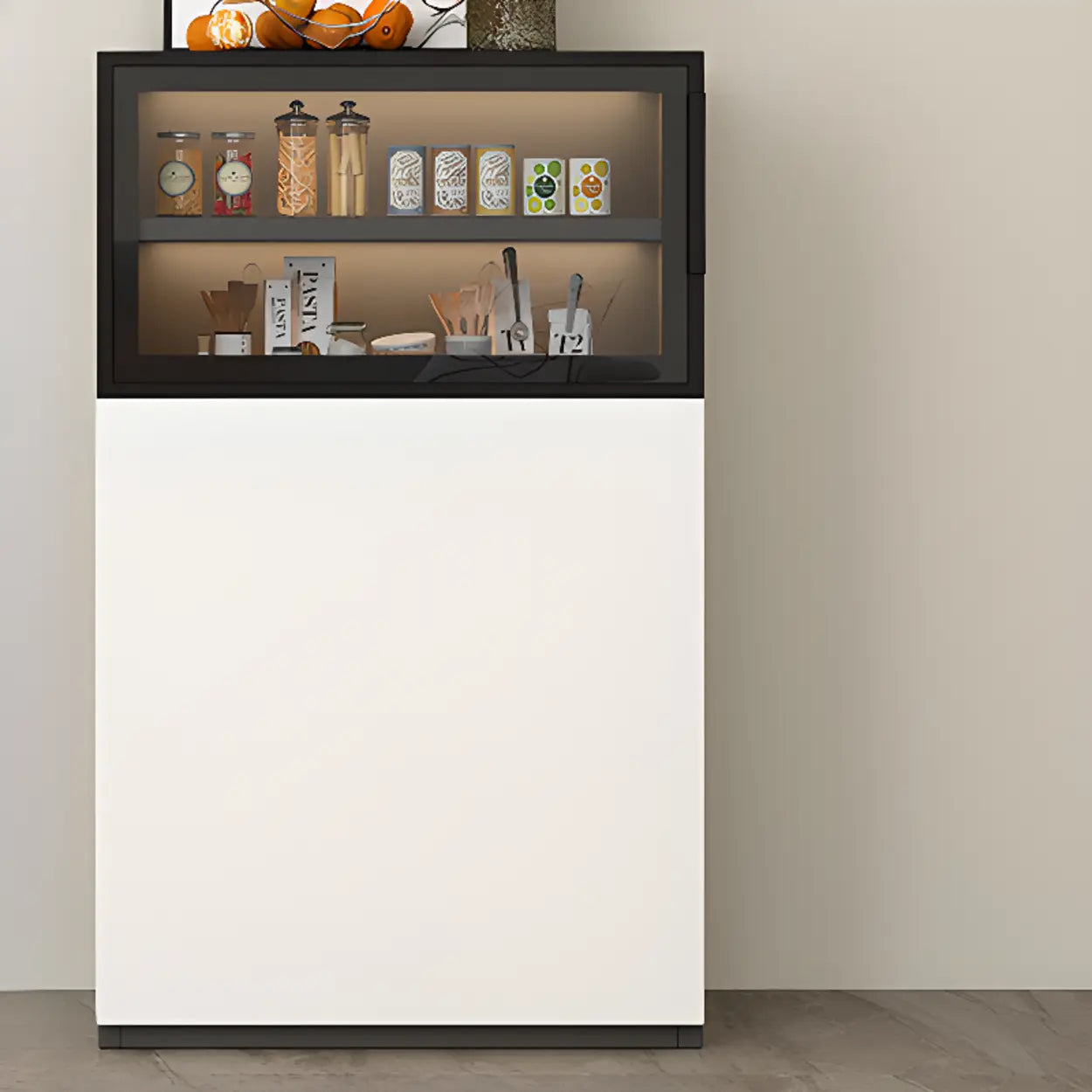
White Wood Narrow Shelf Glass Sideboard with Lighting
$621.95 -
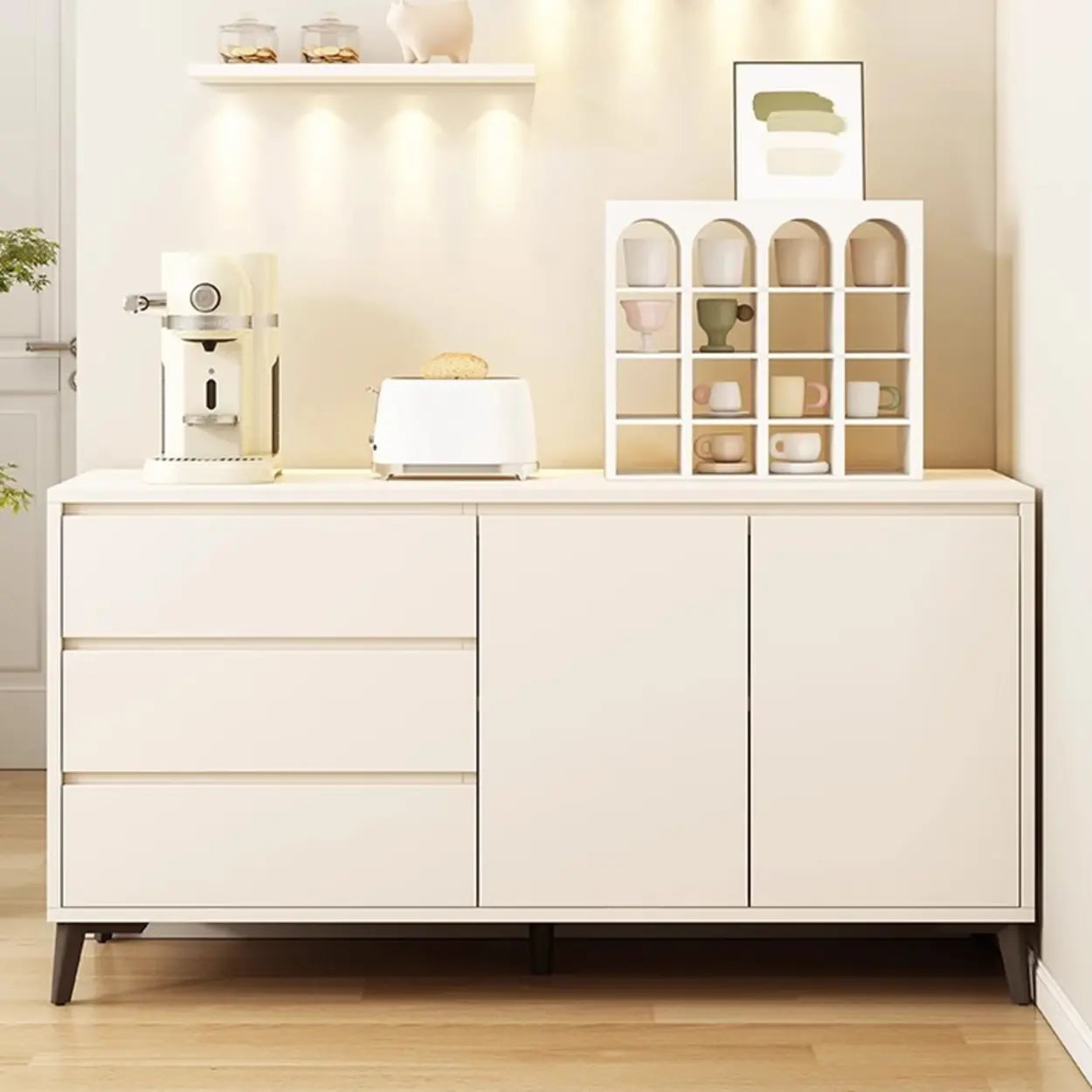
White Composite Wood Buffet with Drawers and Shelves
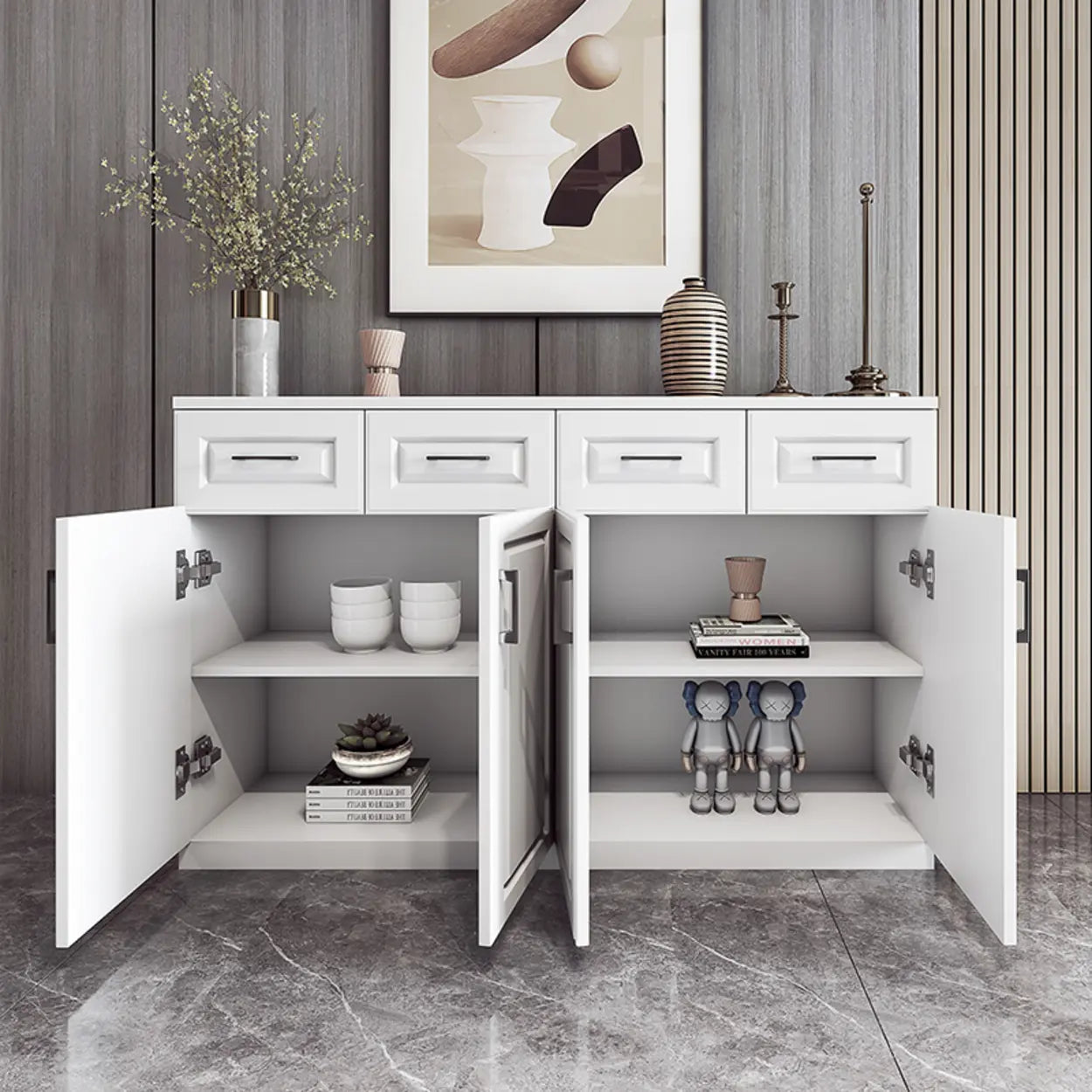
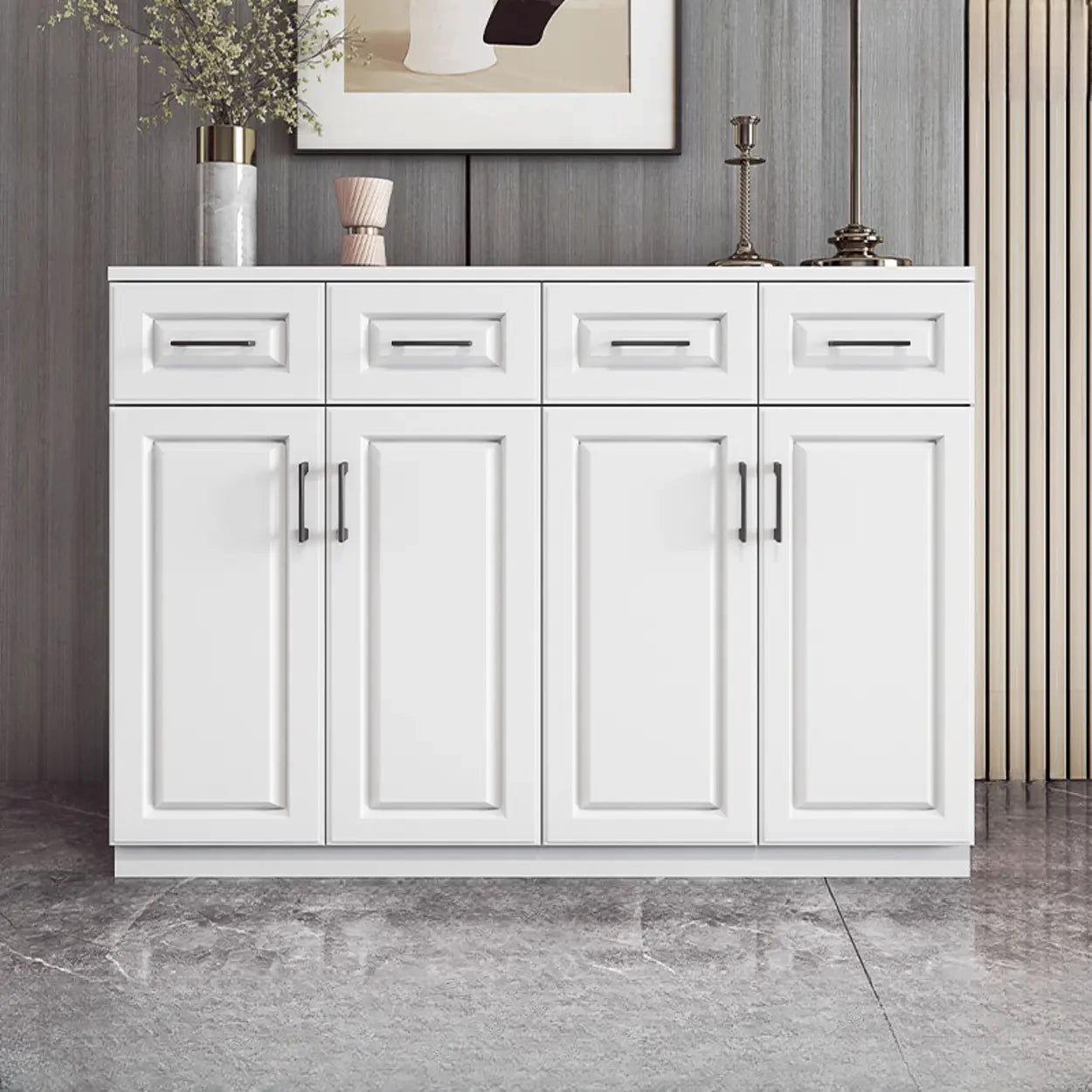
White Composite Wood Buffet with Drawers and Shelves
$314.95 -
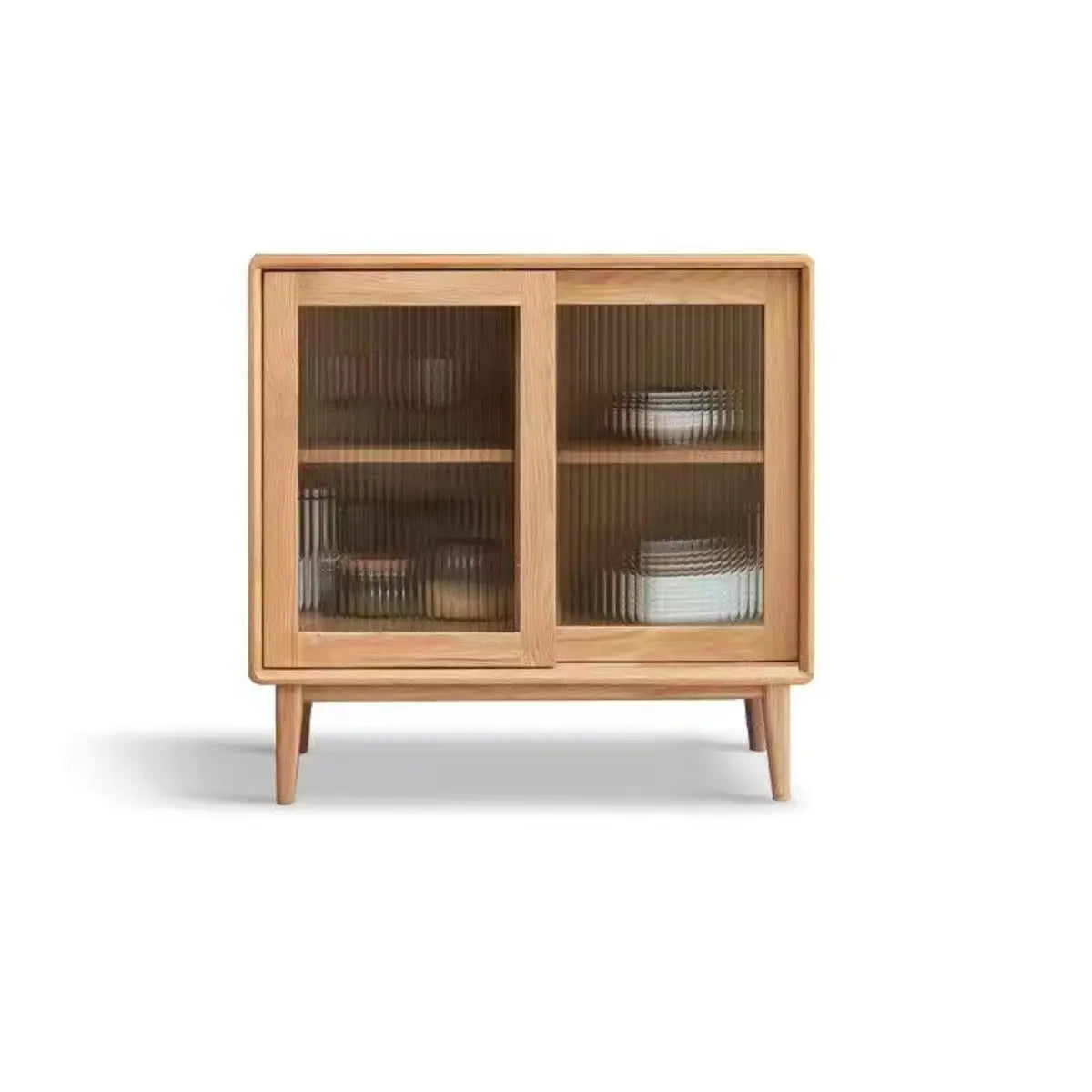
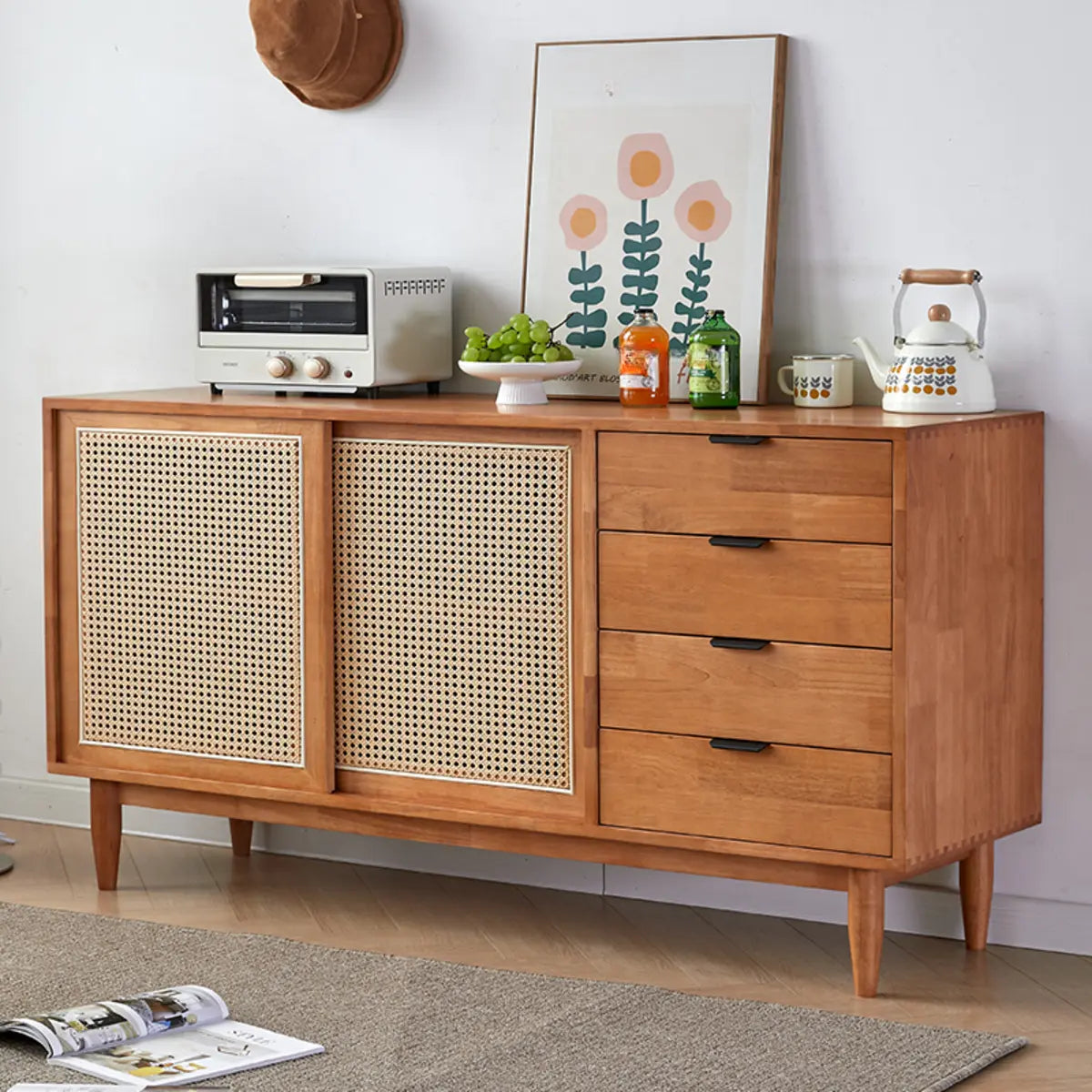
Natural Oak Sliding Door Open Sideboard with Drawers
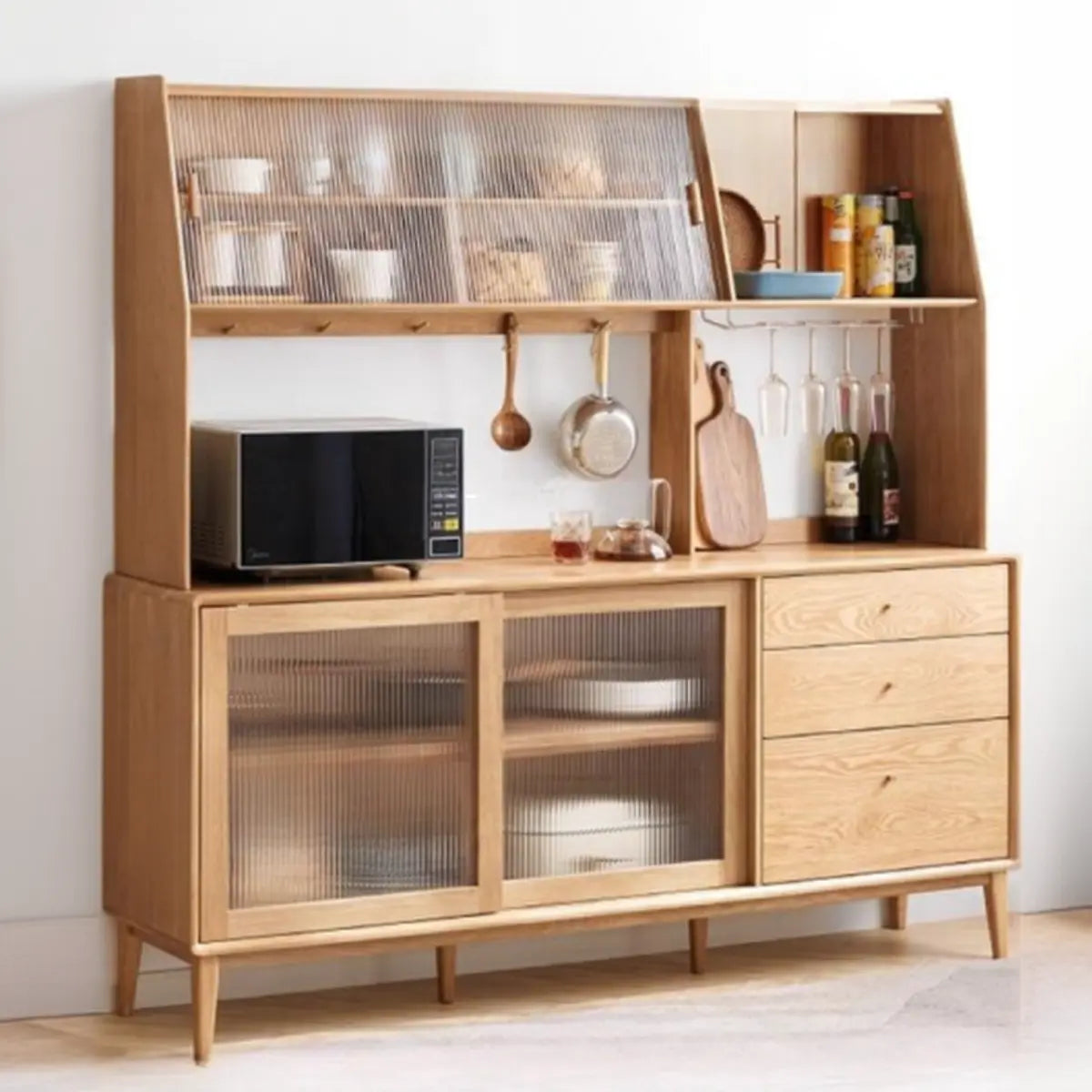
 33% OFF
Natural Oak Sliding Door Open Sideboard with Drawers
$1,314.95 $1,959.95 -
-
-
-
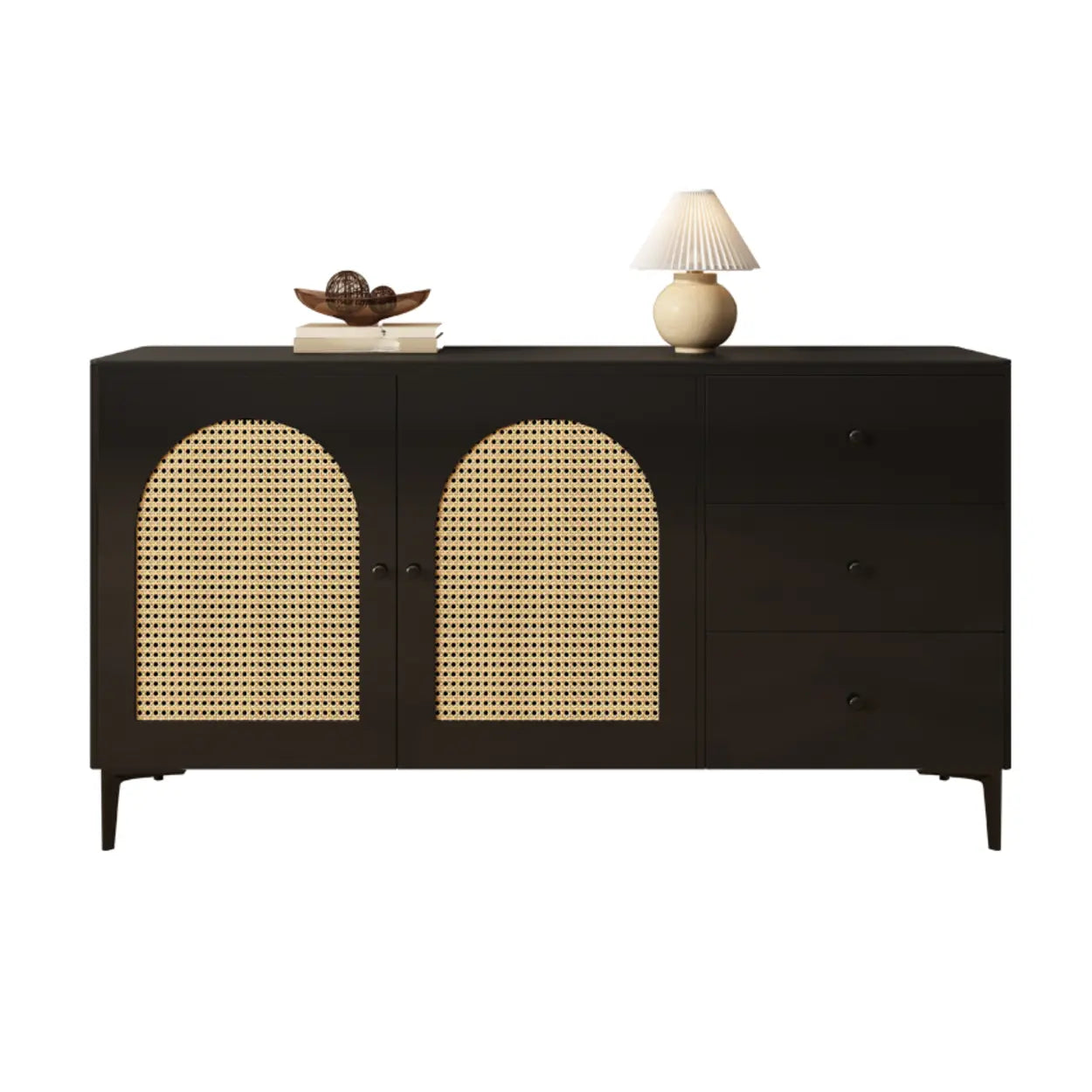
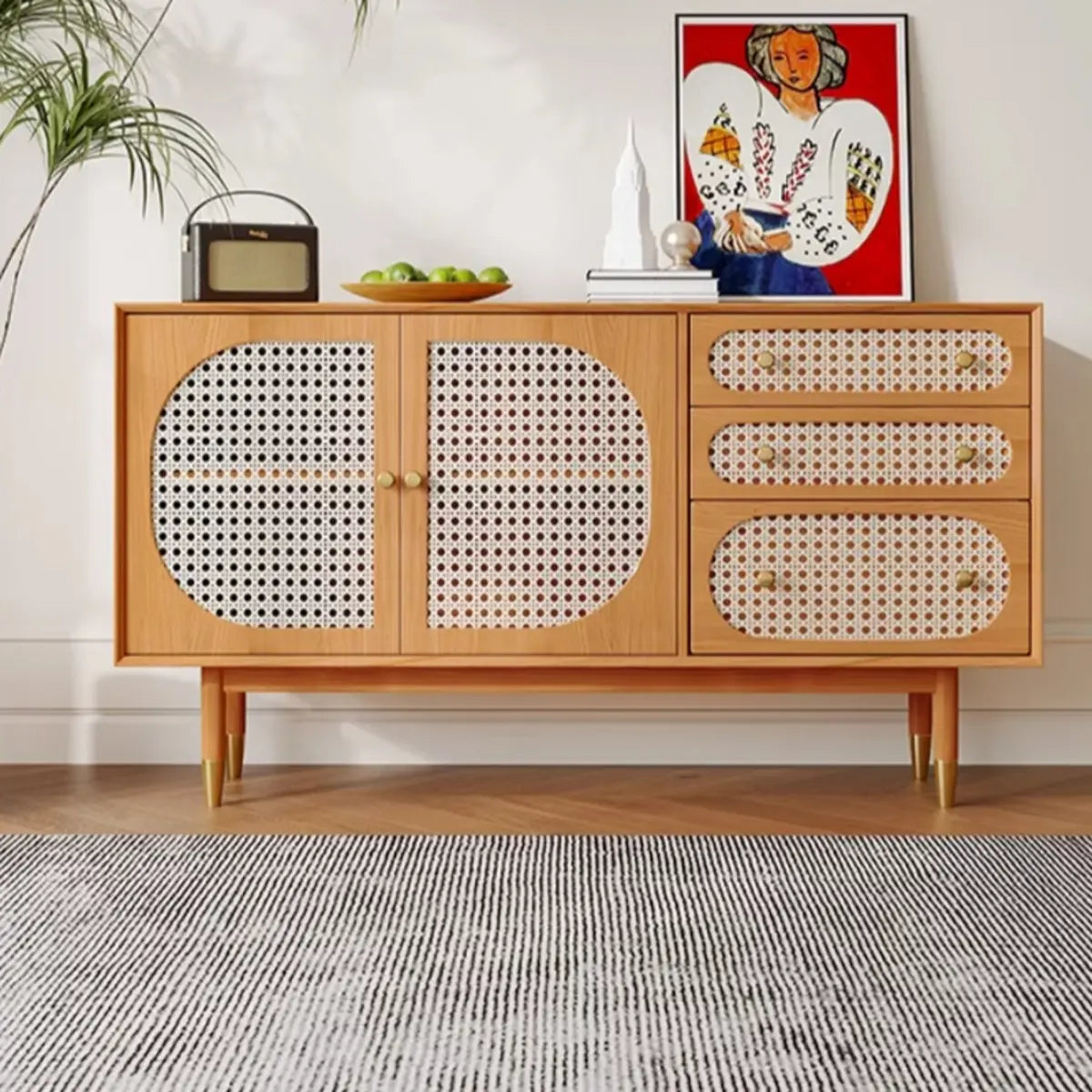
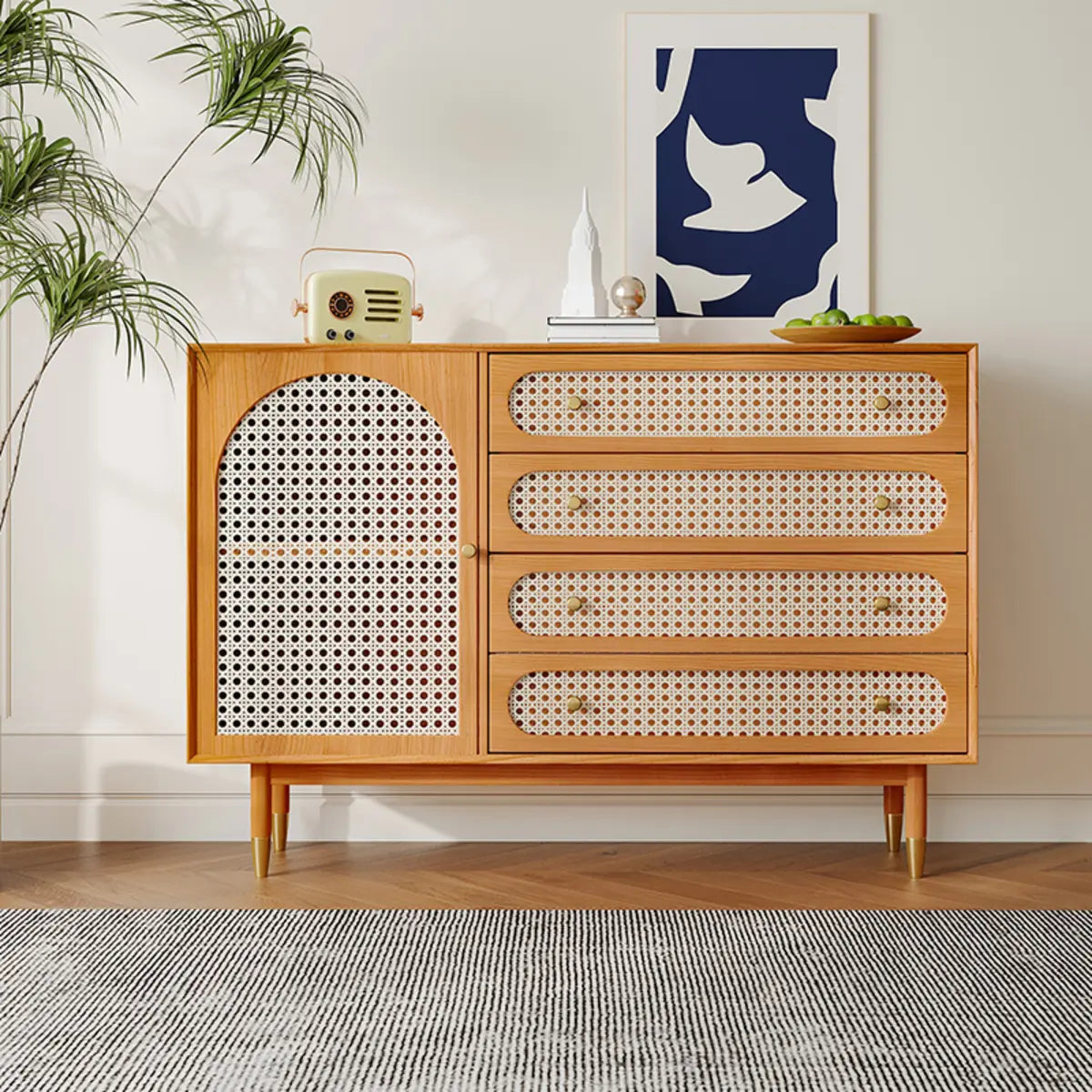
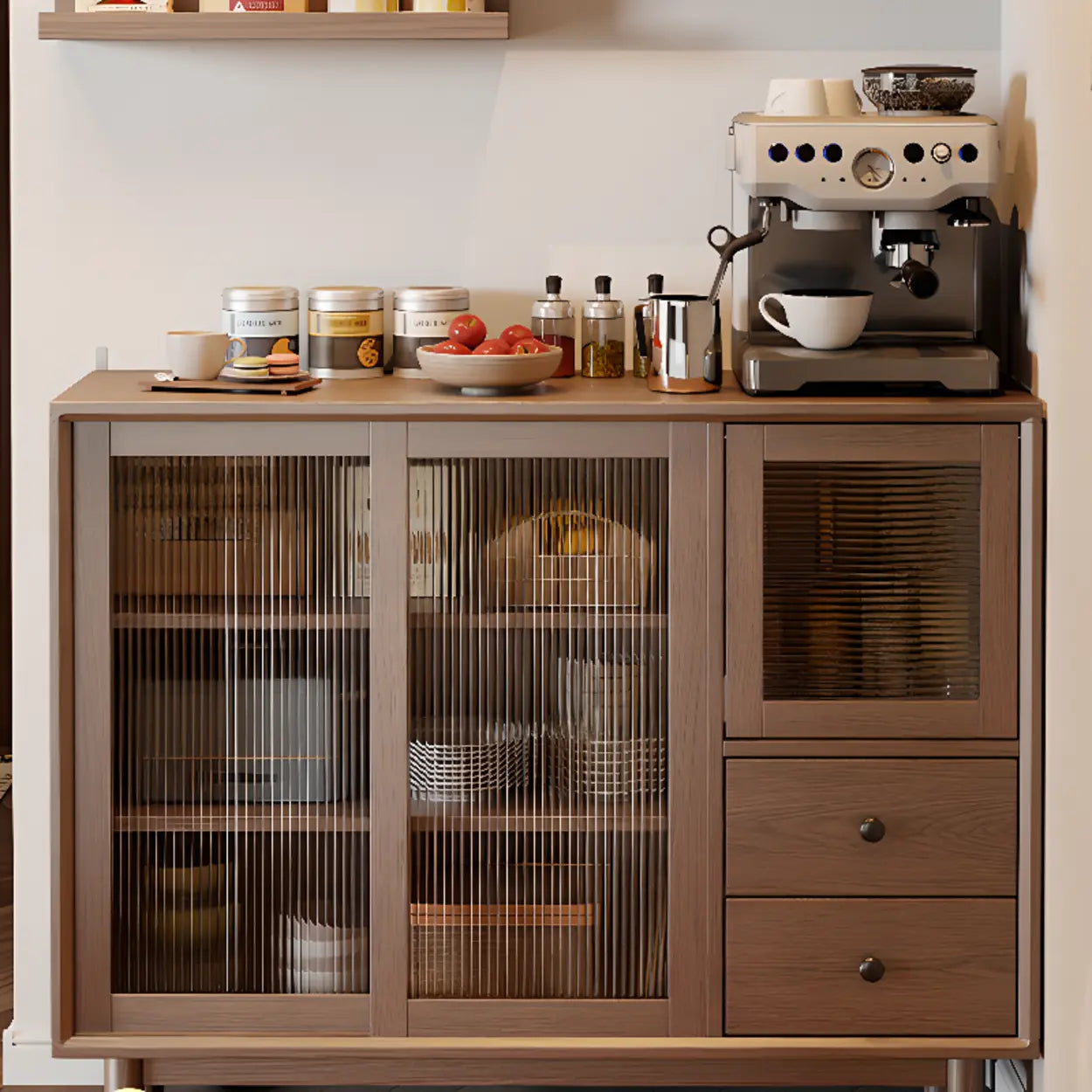
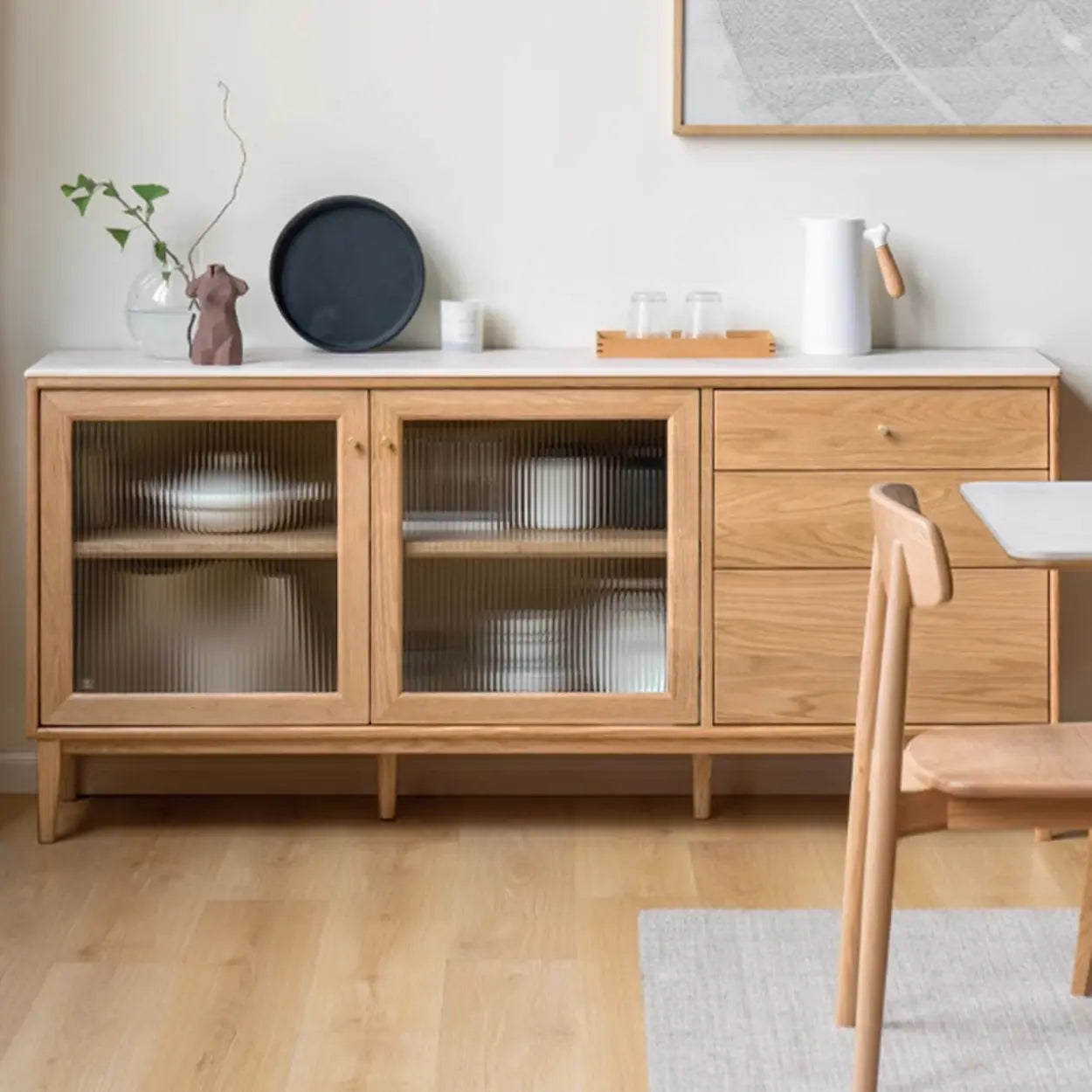
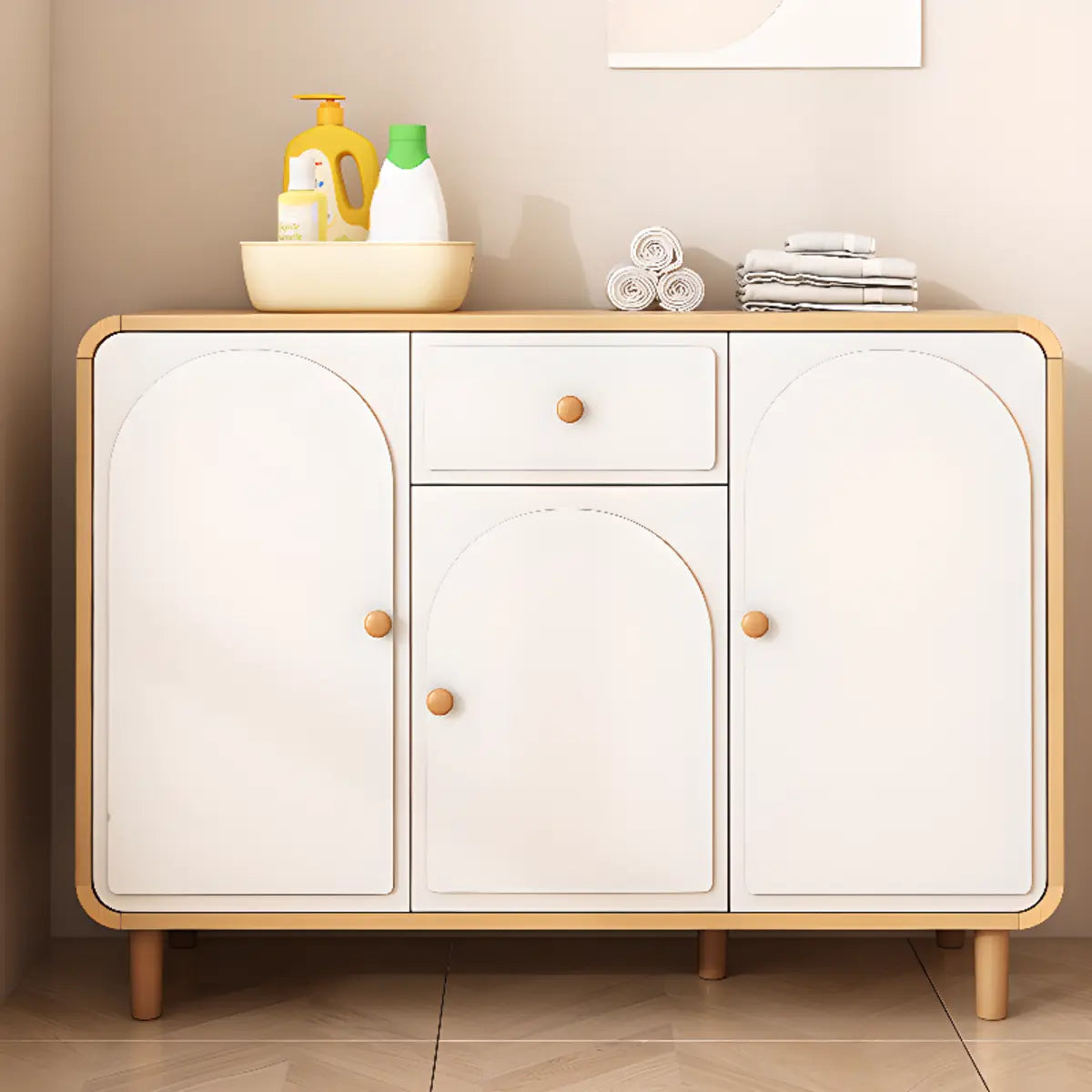
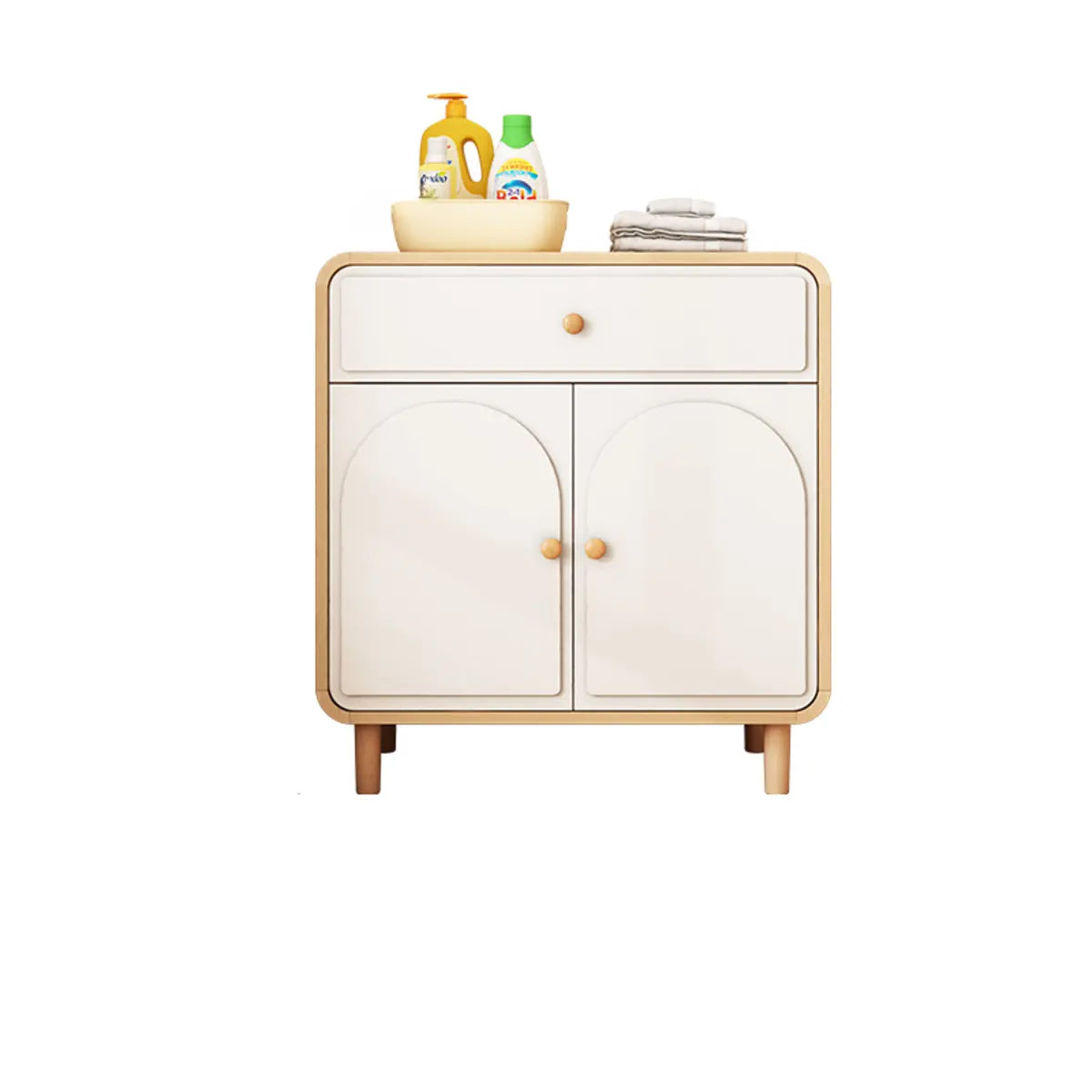
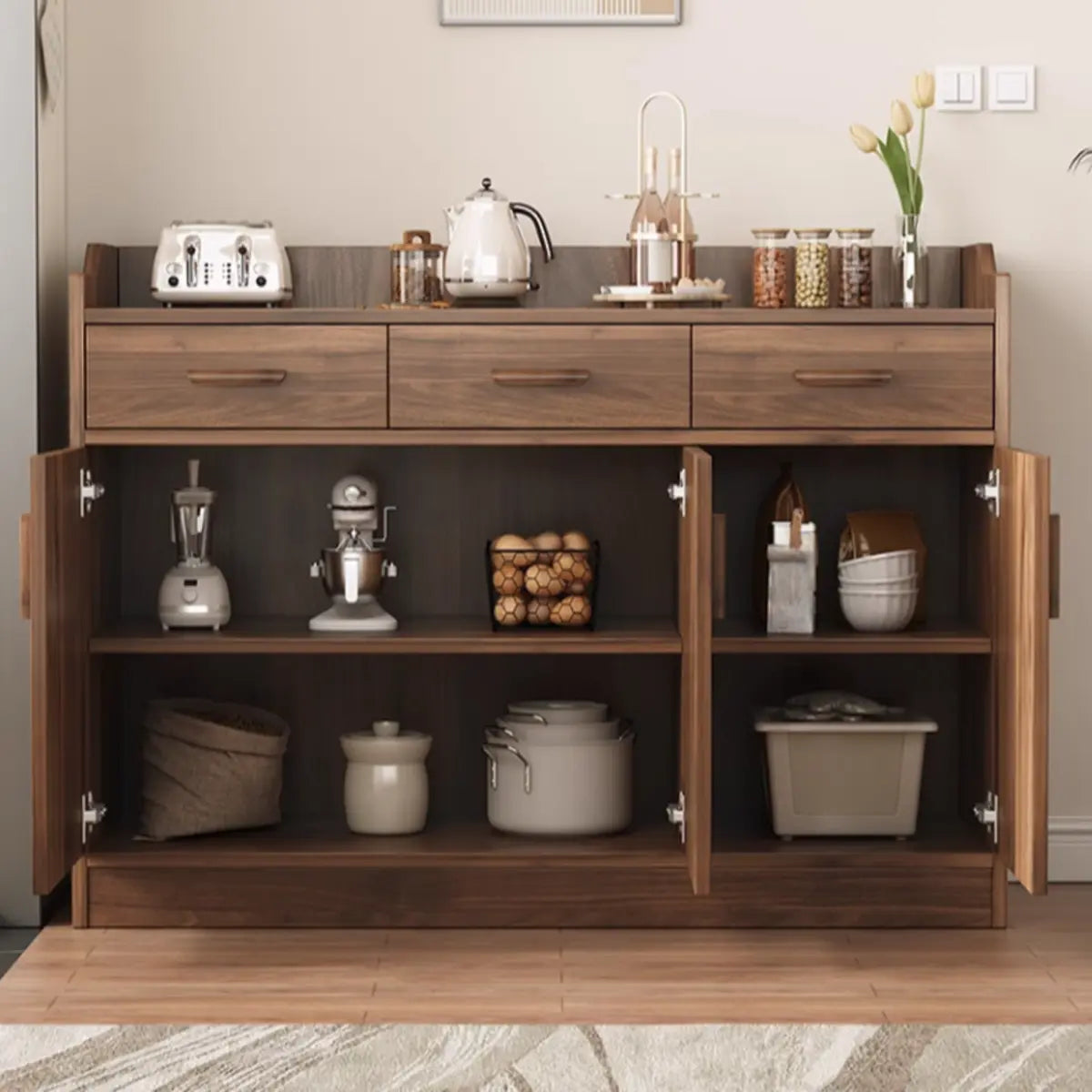
FAQs
What is the difference between a sideboard and a buffet?
The terms overlap: buffets are traditionally taller with longer legs and live in dining rooms, while sideboards sit lower with storage closer to the floor. Today most pieces are built to work either way, so choose by height and storage layout.
How long should a sideboard be?
About two-thirds the length of your dining table or the wall it sits on keeps proportions right. Leave 24 inches of walkway in front so drawers and doors open freely.
What do you store in a sideboard?
Dinnerware, serving trays, table linens, and small appliances below; the top works as a serving surface, bar station, or display shelf for lamps and decor.
How do you decorate a sideboard?
Work in layers: a lamp or pair of candlesticks at one end, art or a mirror leaning behind, and a low bowl or stack of books in front. Keep about two-thirds of the surface clear so it still functions for serving.
What is the difference between a sideboard and a credenza?
A credenza is typically lower and leggier with sliding doors, rooted in mid-century offices; a sideboard is taller with cabinet doors and drawers built for dining storage. In stores the labels are often used interchangeably.
How tall should a sideboard be?
Most run 30-36 inches - counter height - so you can serve from them comfortably. If it sits behind a sofa or in a hallway, keep it level with or slightly below adjacent furniture backs for a clean line.
Shop related: Dining Tables · Console Tables · Wine Cabinets